
Frog species Pristimantis milpe formally described in Ecuador
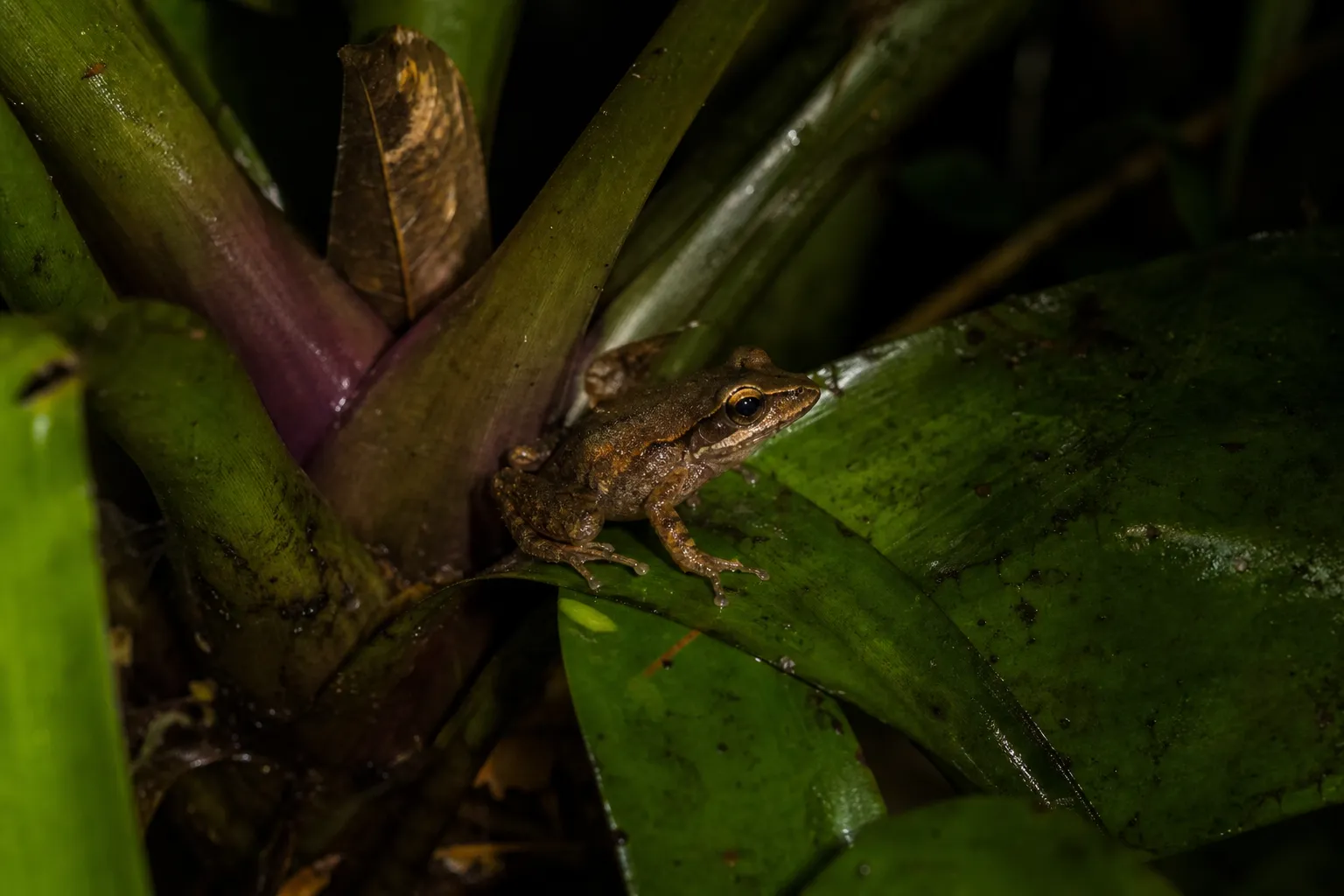
Researchers at the Pontifical Catholic University of Ecuador have formally described the frog species Pristimantis milpe, which for more than a century had mistakenly been assigned to another species. As ScienceDaily reports, this frog is distributed in the Chocó forests of western Ecuador and southern Colombia.
19th-century museum specimens
Study leader Santiago Ron examined amphibian specimens collected in Ecuador in the 19th century at the Natural History Museum in London. These are so-called type specimens — individuals to which a species' scientific classification is linked.
Scientists compared historical museum specimens with modern populations from Ecuador's Chocó region. They established that the old specimens had been incorrectly associated with another species. As a result, the frog, which had been regularly observed in the wild for decades, did not have a separate scientific name.
More current news is available on the UA.News Telegram channel Telegram.
Range and distinctive call
The known range of Pristimantis milpe exceeds 67,000 square kilometers. The species occurs from sea level to an altitude of 1,200 meters, is relatively common and can be easily detected by its nocturnal calls.
Males call while sitting on the leaves of shrubs and bromeliads several meters above the forest floor. Their call is described as a loud click. Females have more conspicuous coloration in the groin and thigh areas: orange or light-blue tones with black spots may occur there. Males are predominantly more uniformly colored.
Description published in ZooKeys
The formal description of the species was published in the international journal ZooKeys, which focuses on biodiversity and taxonomy. The study combined an analysis of 19th-century museum collections with observations of modern frog populations in the tropical forests of Chocó.




