
Ghana records 53,000 adolescent pregnancies in seven months — MyJoyOnline
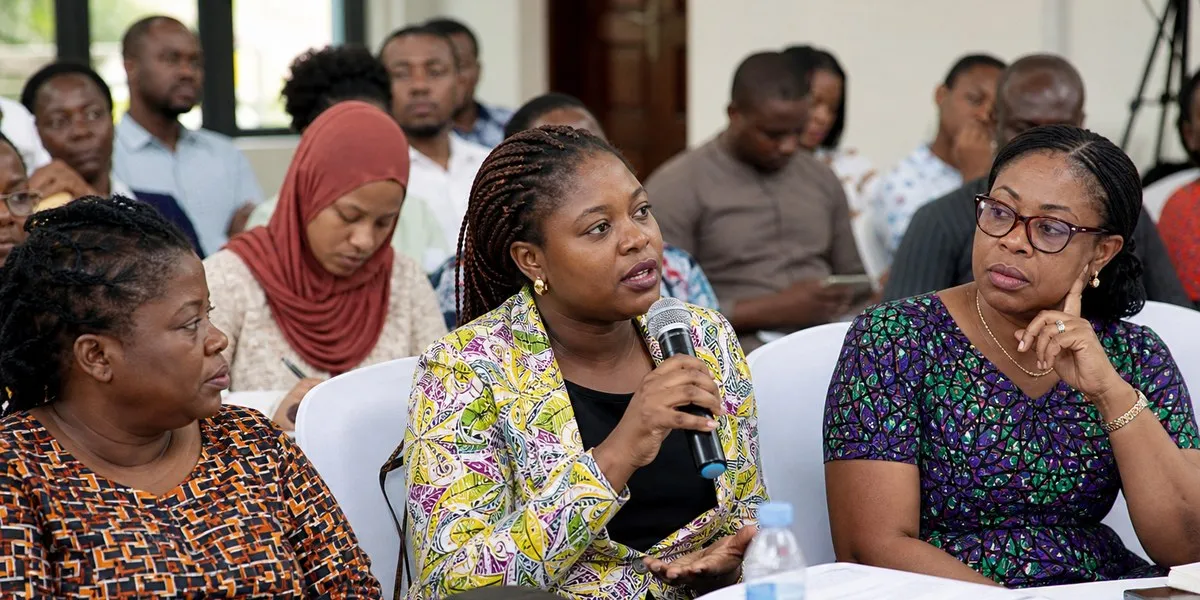
In Ghana, 53,415 pregnancies among adolescents were registered in medical facilities from January to July 2026, including 1,501 cases among girls aged 10 to 14. The data were released by the Ghana Health Service during the National Multi-Sectoral Dialogue on Reducing Adolescent Pregnancy in Accra, MyJoyOnline reports.
Medical facility data
The statistics are based on data from the Ghana Health Service’s routine information system and cover cases recorded by medical facilities across the country during the first seven months of the year.
Sharifa Mohammed, head of the Adolescent Health and Development Programme at the Ghana Health Service, said that medical facilities registered an average of around 7,000 pregnancies per month among girls aged 15 to 19. According to her, this figure is approaching the more than 100,000 adolescent pregnancies per year cited in national estimates.
According to the 2022 Ghana Demographic and Health Survey, 15.2% of girls aged 15–19 had been pregnant at least once. Mohammed noted that the rate of adolescent pregnancies among girls who are out of school is significantly higher than among those who continue their education.
More current news is available on the UA.News Telegram channel Telegram.
Regional indicators and support
The Savannah Region recorded 117.5 births per thousand adolescent girls, exceeding the cited average for sub-Saharan African countries of 104 per thousand. In the Bole district of this region, 230 births per thousand were registered among girls aged 18–19.
In the Upper East Region, more than 2,400 adolescent pregnancies were recorded during the first five months of the year, including around 520 in the Bongo district. Since 2017, the service has implemented the Safety Net programme, which provides healthcare services, education on sexual and reproductive health, psychosocial support, referrals to other services, and links to social protection programmes.
This year, the Ghana Health Service provided more than 310,000 young people with information on sexual and reproductive health, while around 54,000 pregnant adolescents received services. The programme also provides support for returning to education, if the girl’s health condition and circumstances allow, or referral to organisations that help acquire vocational skills.


