
In Canberra, French citizens used ChatGPT to find a house with valuables
Four French citizens pleaded guilty to aggravated burglary and joint commission of theft after robbing a house in Canberra, Australia. According to ABC News Australia, one of the men used artificial intelligence and social media photographs to determine the location of a home where luxury items were kept.
Ilyes Abdelkader, Mohamed Abdelkader, Mohamed Naimi and Anthony Voisin pleaded guilty to the charges in March. The burglary took place in southern Canberra in October 2025, when the owners were not at home.
Search through Instagram and ChatGPT
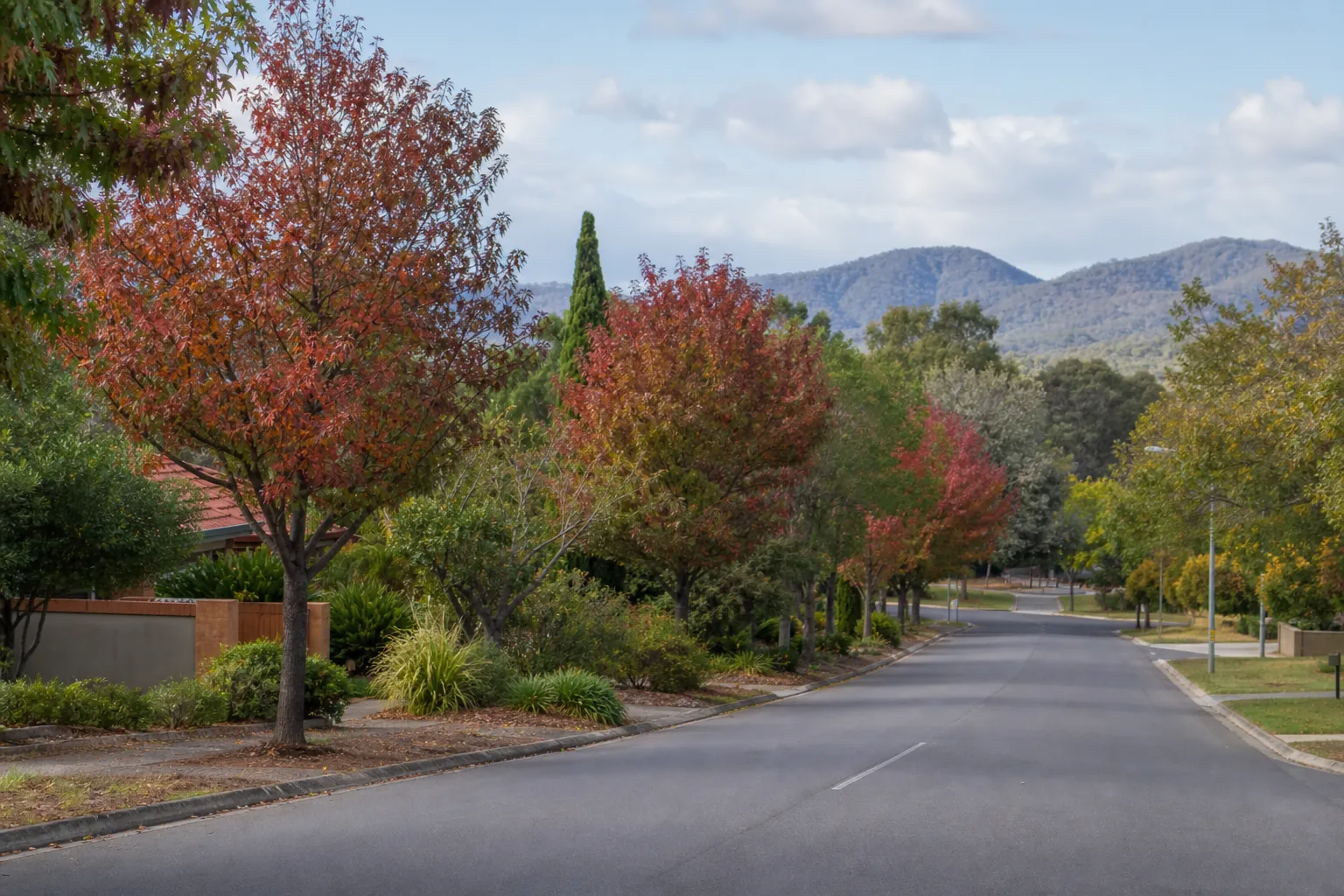
According to an agreed statement of facts submitted to the Supreme Court of the Australian Capital Territory, one of the victims posted photos of designer items on Instagram. Ilyes Abdelkader used artificial intelligence to determine that the cherry tree depicted in one of the images typically grows in Canberra. Another photograph showed the Black Mountain Tower, which is also located in the Australian Capital Territory.
More current news is available on the UA.News Telegram channel Telegram.
The victim also posted photographs of a yard with a swimming pool and tennis court. Abdelkader used ChatGPT to search for Canberra suburbs with tennis courts and swimming pools, after which he identified the house. The four men flew from Thailand to Sydney on October 7 and broke into the Canberra home several days later.
The value of the stolen goods was revised
According to the agreed statement of facts, the group smashed a window with tree trunks and reached a safe that the owners believed they had left locked. The stolen items included designer jewelry, handbags and watches. The men sent some of the items later found to France through a freight service.
Police arrested the four men on October 19, 2025, at a KFC restaurant in Wentworthville, a Sydney suburb. They have been in custody since then. The total value of the stolen goods was initially estimated at $10 million, but in court it was reduced to slightly less than $2 million. The documents state that the prosecution cannot prove the authenticity of some unrecovered items beyond reasonable doubt because the victims did not provide receipts, proof of purchase, bank records or certificates. Items worth $915,000 were returned, while property with an agreed value of more than $1 million has still not been found. The court is due to set a sentencing date next week.


