
Finland’s National Archives says it has not changed restrictions on Russian archival materials
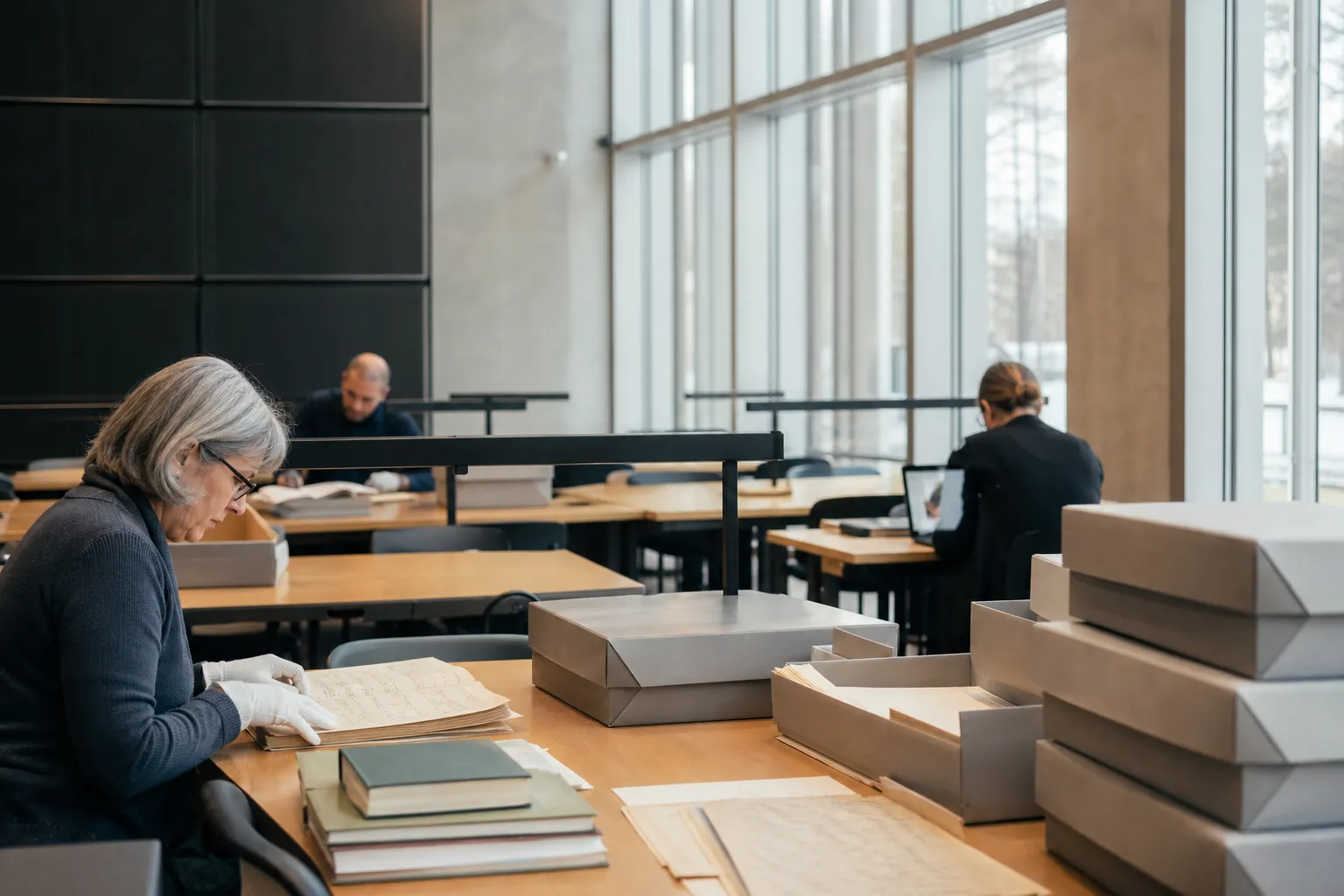
The National Archives of Finland stated that it has not changed the restrictions on access to historical materials obtained from Russia. The materials are available for work under controlled conditions in reading rooms, but there is no remote access to them.
Päivi Happonen, Director General of the National Archives, said the institution has no grounds to censor these materials. According to her, the terms of use for the documents remain the same as before, and claims of restricted access are untrue, YLE News reports.
Agreement and remote access
In 2018, the National Archives of Finland and the archival agency of the Russian Federation — an aggressor state — concluded an additional agreement to the 2005 cooperation treaty. The document states that the materials may be used for academic research in the National Archives’ reading rooms or through remote connection.
At the same time, the archive emphasizes that the remote connection must be secure. Happonen noted that if the materials had been freely accessible via the internet, they would have been posted online back in 2018.
More current news is available on the UA.News Telegram channel Telegram.
Technical label and new system
A label on the archive’s website indicating that the access restriction period runs from September 1, 2022, to December 31, 9999, is linked to a technical update of the database, Happonen said. It does not mean the terms of use for the materials have changed.
A new archives law, which entered into force in early July, makes it possible to introduce a remote access system for digital materials with different restrictions. The National Archives expects to launch it at the beginning of next year.
Happonen also explained the closure of certain units by budget cuts and the need to retain employees and specialists. According to her data, the National Archives made about 2,500 decisions on access rights this year. Happonen herself made 25 decisions concerning certain private archives, and none of them was a denial of access.


