
Foul smell in Karachi linked to decomposing phytoplankton — Dawn
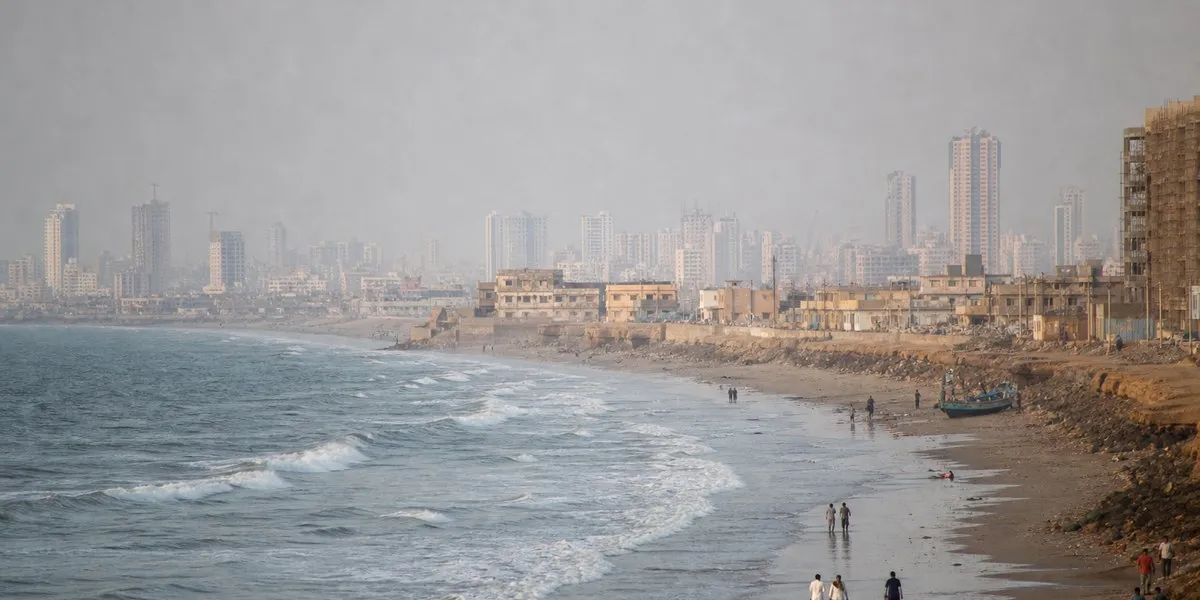
Residents of Karachi, Pakistan, especially in coastal areas, noticed a sharp unpleasant smell on the morning of September 16. It was linked to the decomposition of microscopic marine algae — phytoplankton — while weather conditions helped spread the smell across the city, Dawn reports.
A natural process after the monsoon
Muhammad Moazzam Khan, technical adviser on marine resources at the World Wide Fund for Nature in Pakistan, explained that the fishy smell results from phytoplankton decomposition. According to him, this is a natural phenomenon.
After the regional monsoon system ends in mid-September, conditions at sea change significantly. Phytoplankton, which is abundant in the water during the monsoon, begins to decompose. These microscopic algae are found in the upper 100-meter layer of the sea, where sunlight penetrates, and are not visible to the naked eye.
The WWF-P expert noted that a similar phenomenon was observed in 2024. It often causes an unpleasant smell to spread through the air in coastal areas. He predicted that the smell should disappear within a few days.
More current news is available on the UA.News Telegram channel Telegram.
Wind and smog
Pakistan Meteorological Department spokesperson Anjum Nazir Zaigham and climate change expert Fatima Yamin also linked the scale of the smell's spread to the weather. Yamin said that a low-pressure area near the Indian coastal city of Jamnagar was causing wind circulation around Karachi's coast.
According to her, smog was forming due to air pollution, and its combination with weather conditions caused the smell to circulate through the city. Zaigham added that the low-pressure area, smog and a southeasterly wind direction also affected the situation. He expected air quality to improve in the evening with the sea breeze.
In October 2024, a similar smell was recorded in various parts of Karachi, including Clifton, DHA, Korangi, Orangi, North Nazimabad and Saddar. At the time, environmentalist Rafiullah said there was no convincing evidence of health risks, but prolonged exposure to dusty winds combined with the smell could affect sinusitis.


