
African aviation depends on transit hubs outside the continent — Daily Maverick
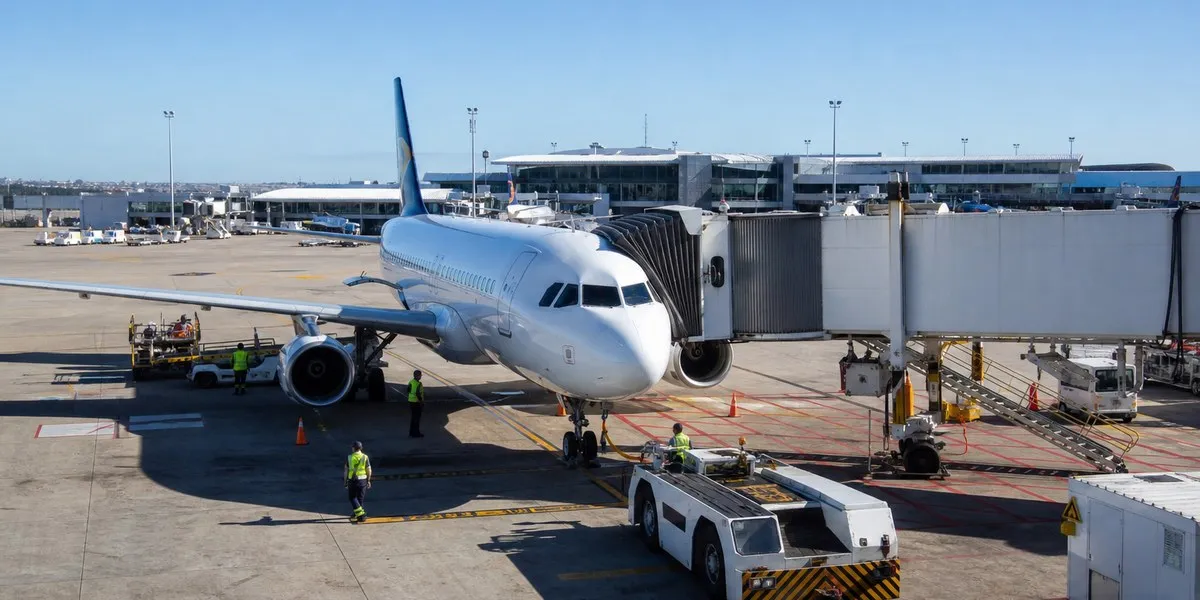
In South Africa, Daily Maverick published an analysis of African air transport's dependence on transit hubs in the Gulf countries, Türkiye and Europe. Against the backdrop of the conflict in the Middle East in 2026 and restrictions on the region's airspace, airlines had to alter routes, resulting in higher costs, cargo delays and disruptions to passenger transport.
For many travelers from Africa, flights to other countries on the continent require a connection in Dubai, Doha, Abu Dhabi, Istanbul or European cities. The author links this dependence to the colonial system of air routes, which was focused on connecting African territories with European capitals rather than with one another.
High costs and cargo delays
According to the African Airlines Association, non-African carriers provide nearly 70% of Africa's intercontinental transport capacity. Airspace closures force aircraft to take longer routes, consume more fuel and increase crew and insurance costs.
More current news is available on the UA.News Telegram channel Telegram.
Fuel accounts for between 30% and 40% of African airlines' operating costs. At many airports on the continent, it is more expensive than at major hubs in Europe and the Middle East due to dependence on imports, taxes, fragmented supply chains and limited refining capacity. Delays also affect air exports of fresh vegetables, which require predictable transport schedules.
Air market integration
Addis Ababa, Nairobi, Johannesburg, Cairo and Casablanca are named in the article as potential regional hubs. Increasing their role requires effective visa regimes, coordination of air services and airport modernization.
The 1999 Yamoussoukro Decision provided for the liberalization of intra-African air transport, while the African Union launched the Single African Air Transport Market in 2018. At the same time, the implementation of these mechanisms is constrained by uneven fulfillment of commitments, weak coordination and the prioritization of national interests. In 2026, African Union member states signed the Lomé Declaration to accelerate the creation of a single air transport market.


