
In Congo, non-payment of workers hampers the fight against Ebola — The Japan Times
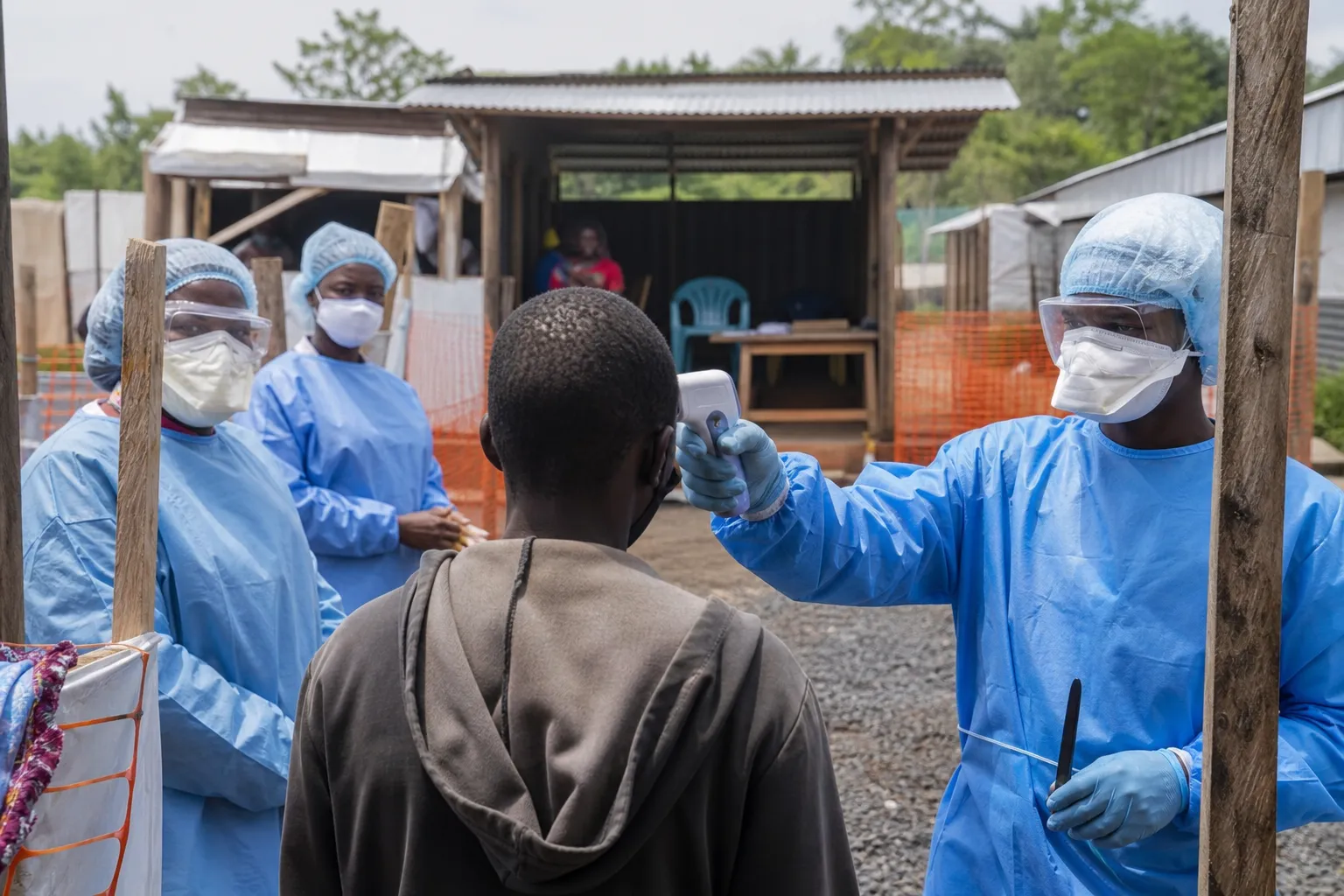
In Congo, delays in payments to workers involved in the response to Ebola have caused strikes and disrupted the operation of checkpoints, treatment centers and infection-control measures. As of Monday, the country had recorded 6,186 confirmed cases of infection and 3,007 deaths from Ebola, The Japan Times reports, citing Bloomberg.
Strikes at checkpoints
In mid-August, six Ebola checkpoints in Haut-Uélé province stopped submitting reports because of a strike by workers who had not been paid. Nearly two weeks later, five of them were still not reporting. As of Sunday, three checkpoints in the neighboring province of Ituri, which the source calls the epicenter of the outbreak, were also on strike over payment arrears.
By August 19, only five of the 18 checkpoint workers in North Kivu province had received payments. Workers engaged in community outreach in North Kivu and the neighboring province of Tshopo had not been paid for three months, according to government reports.
More current news is available on the UA.News Telegram channel Telegram.
Verification of worker lists
According to the publication, officials checking a list of 240 alleged employees at one of the Ebola response centers were able to find only 40 people. Health Minister Roger Kamba said that between 15% and 20% of the people included in some recent payment lists were fictitious. According to him, funds for workers are available, and a significant share of the delays is linked to manipulation of personnel lists.
Authorities are trying to remove fictitious workers from payment registers through biometric registration and centralized payments. At the same time, the verification of the lists is delaying pay for people who are genuinely involved in the outbreak response.
The strikes have already affected the work of medical facilities. In early August, workers responsible for hygiene at an Ebola treatment center in Bunia stopped working, demanding unpaid allowances, which disrupted patient admissions. Later, a strike by decontamination workers in Ituri resulted in some infection-control measures not being completed.


