
Queensland prepares for a hot, dry spring and higher fire activity
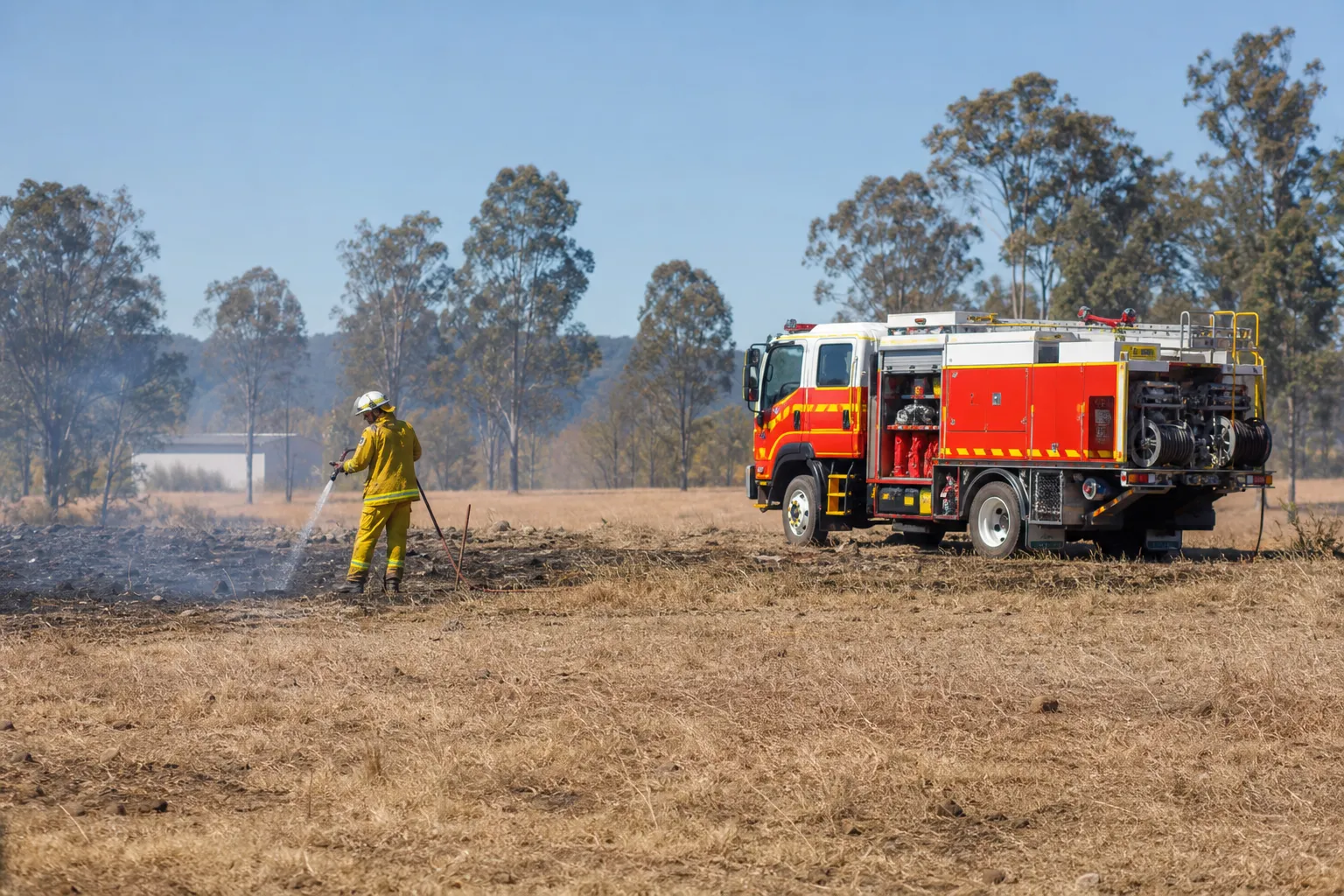
In Queensland, Australia, conditions for increased fire danger have already emerged after a warm and dry winter, while farmers fear new drought declarations. According to ABC News Australia, the past winter was the third warmest on record for the state.
Senior Bureau of Meteorology climatologist Hugh McDowell said winter temperatures in Queensland were 1.8 degrees Celsius above average. He said elevated maximum temperatures would persist across most of the state at the start of spring amid the strengthening El Niño phenomenon.
Rainfall forecast
Most of Queensland is forecast to have a high likelihood of below-average rainfall in September and October. At the same time, the tropical coast in the north and the eastern part of the peninsula may receive more rain than usual.
In the western parts of the state, the first significant rains of the wet season are expected earlier than usual. In November and December, meteorologists estimate that the likelihood of above-median rainfall will spread from western areas to most of Queensland. Farmers hope spring or summer rains will allow summer crops to be planted in some areas.
More current news is available on the UA.News Telegram channel Telegram.
Fire danger and harvest
The Queensland Rural Fire Service expects greater fire activity than in previous years, primarily in the southern inland part of the state due to hot and dry conditions. Firefighters have already responded to blazes in various regions, from the far north through central areas to southern Queensland.
Assistant Chief Officer of Specialist Services Mark Dobell said areas are drying out quickly, while unusual rains earlier this year encouraged vegetation growth that could become fuel for fires. He also reported that several fires in recent days were caused by work involving welding or grinding machines.
AgForce grains president Brendan Taylor said that because of uncertainty over prices and supplies of fuel and fertiliser, some producers have reduced their planted areas. According to ABARES' September report, total grain production in Queensland is forecast at 2.2 million tonnes, 44% lower than last year and 11% below the 10-year average.


