
100,000 children in Lebanon risk missing the school year — The National
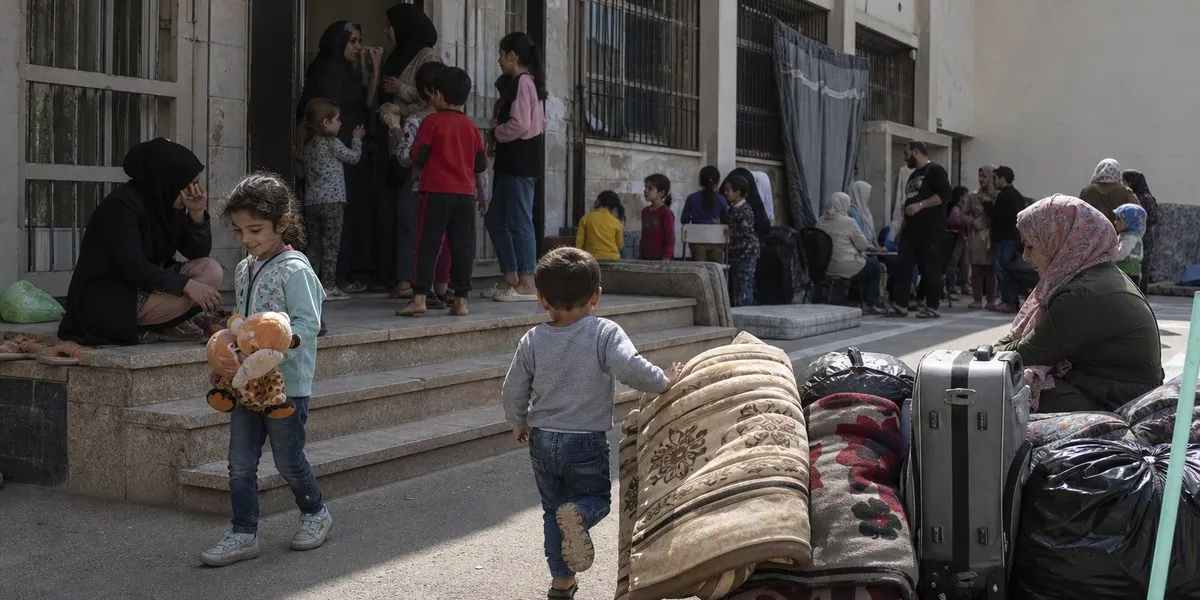
At least 100,000 children in Lebanon may miss the next school year because of the war, family displacement, and the destruction or damage of schools. Janti Soeripto, president and CEO of Save the Children US, said this in an interview with The National after visiting the country.
According to her, hostilities are particularly affecting children in southern Lebanon. Soeripto said that despite a ceasefire that exists “on paper,” bombings and shelling continue in the region, with strikes hitting residential buildings, hospitals, and schools.
Schools have become shelters
According to the head of Save the Children US, more than 340 schools in the country have been destroyed or damaged. Some educational institutions that were not completely destroyed are being used as temporary shelters for displaced people. As a result, schools cannot resume classes, and children are losing not only access to education but also the opportunity to socialize and play with their peers.
Soeripto noted that younger children acutely feel the lack of a safe space to play, while teenagers speak of feeling as though their lives are passing them by. During meetings with children, she saw drawings of planes dropping bombs on houses, as well as drawings made only in black and white.
More current news is available on the UA.News Telegram channel Telegram.
Displacement and lack of aid
According to Soeripto, about 300,000 people remain displaced. She also said that approximately 55 villages in the south of the country are under Israeli control, while about 40,000 homes have been destroyed in the south. Of more than 4,000 people killed since March, about 250 were children, she added.
Displaced families often have nowhere to return to because they have lost their homes, jobs, income, or businesses. Many have already exhausted their savings and depend on charitable assistance and loans. Against the backdrop of inflation, which was a problem even before the war, it is becoming increasingly difficult for people to obtain food, fuel, and other essentials.
Lebanon’s humanitarian response plan, according to data cited by Soeripto, is funded at only 20%. She said she intends to call on states to increase support for children in conflict zones during the UN General Assembly in New York.


