
In Malaysia, a wave of hatred forced more than 100 Rohingya refugees to flee their village
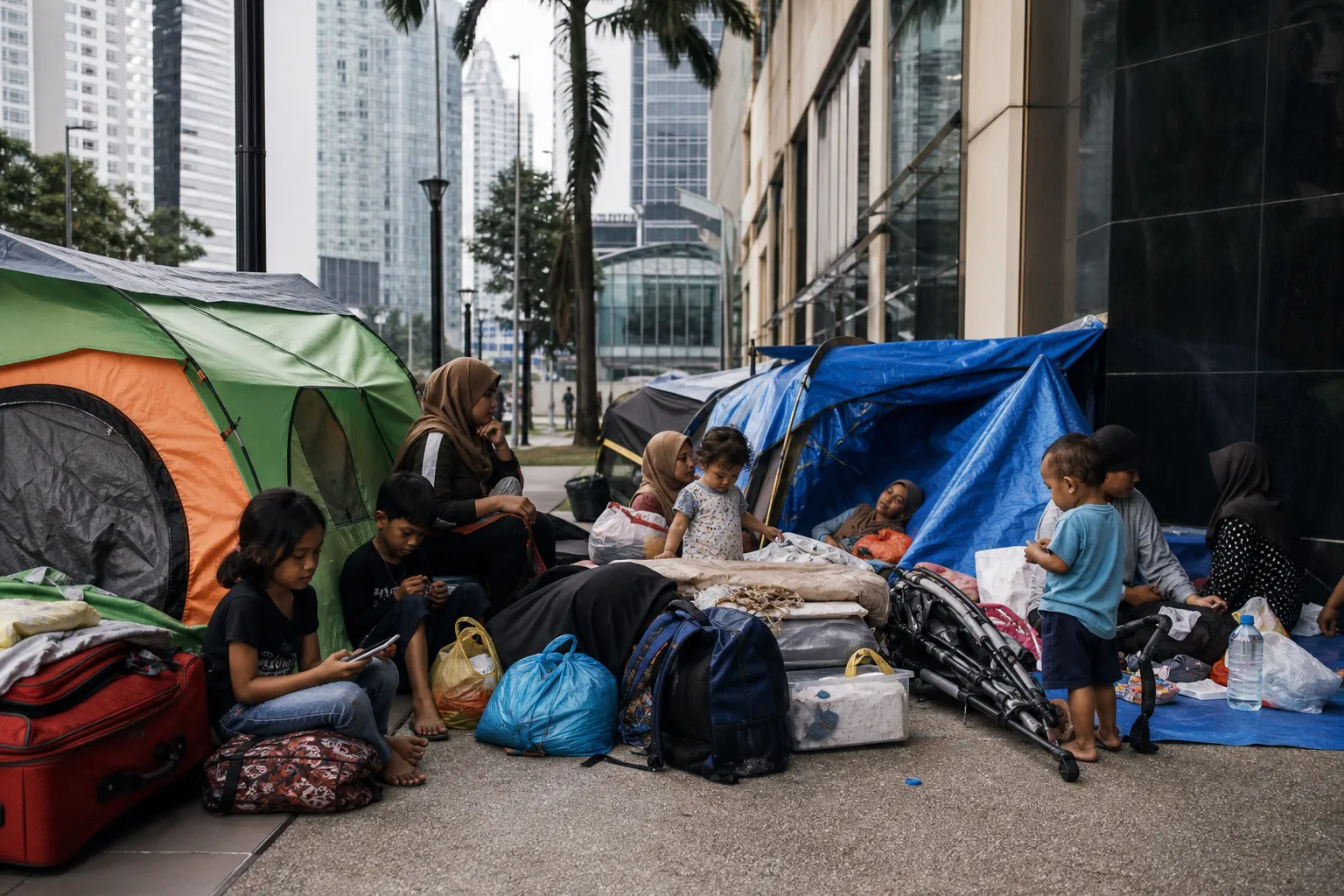
On July 27, in the Malaysian village of Kuala Muda in the state of Penang, more than 100 Rohingya refugees were forced to leave their homes after local residents put up signs calling for them to leave. Amid the spread of hateful content on social media, at least nine community schools for refugee children have temporarily suspended operations, according to France 24.
According to the UNHCR, as of late February 2026, there were 126,000 registered Rohingya in Malaysia—out of a total of approximately 215,600 refugees and asylum seekers. Malaysia is not a party to the 1951 UN Convention Relating to the Status of Refugees. Refugees registered with UNHCR do not have legal protection or the right to work in the country.
A representative of Article 19, whose name has been changed for security reasons, stated that a new wave of anti-Rohingya rhetoric began in late April and has become one of the most widespread and prolonged. It was preceded by a disinformation campaign in which participants claimed that the refugees were allegedly demanding land and special rights. In May, a petition appeared online calling on the Prime Minister of Malaysia to deport the Rohingya. The UNHCR, the Malaysian Human Rights Commission (SUHAKAM), and nongovernmental organizations also received threats on social media.
For more breaking news, follow the UA.News Telegram channel.
In Kuala Muda, residents put up signs stating that Rohingya are not allowed in the village. According to the local newspaper Sinar Harian, the number of Rohingya in the village has risen from 108 in 2018 to about 400 in 2026. Families who left the village were escorted to buses heading for Kuala Lumpur. In the capital, they sought assistance from the UNHCR office and set up tents near the building. The police detained them for one day to verify their documents and status, after which the individuals were placed in the care of local NGOs.
The founder of an organization dedicated to refugee education said that children were harassed and bullied on their way to school. A teacher and activist from the Rohingya community in Kuala Lumpur reported that one school had been closed for a month, and another for two weeks. After classes resumed, students were advised not to wear their school uniforms so as not to attract attention.
On July 23, Malaysia’s Deputy Minister of Foreign Affairs informed Parliament that 5,000 Myanmar citizens being held in immigration centers would be repatriated to Myanmar. On July 30, Prime Minister Anwar Ibrahim stated that Myanmar had agreed to accept 5,000 Rohingya asylum seekers from Malaysia. However, on August 5, Communications Minister Fahmi Fadzil stated that the government would not deport refugees who face persecution.


