
Adults in Nepal are more likely to become severely ill with Japanese encephalitis — Kathmandu Post
Since June, Nepal has recorded 121 cases of Japanese encephalitis, 26 of which ended in death. The case fatality rate is 21.5%, the highest among vector-borne diseases in the country, Kathmandu Post reports, citing Health Ministry data.
Officials expect infections to increase further as the peak disease season continues. This year, Japanese encephalitis cases have been detected in 84 local units across 36 districts in all seven provinces of the country.
Unvaccinated adults at risk
Specialists note a shift in the age structure of cases. Previously, children were the main group to become severely ill and die, but severe cases and deaths are now increasingly recorded among people over 30. Most people in this age group have not received a Japanese encephalitis vaccination.
According to government officials, 77% of deaths occurred among people over 50, and none of those who died had been vaccinated. The highest number of deaths — at least six — was recorded in Jhapa District. Two deaths each were registered in Sunsari, Saptari, Parsa, Kailali and Arghakhanchi districts.
More current news is available on the UA.News Telegram channel Telegram.
In 2022, at least four of 79 infected people died from Japanese encephalitis; in 2023, 20 of 108 died; in 2024, 28 of 86 died; and in 2025, 41 of 183 died. The highest case fatality rate was recorded in 2024, at 33%.
Vaccination campaigns
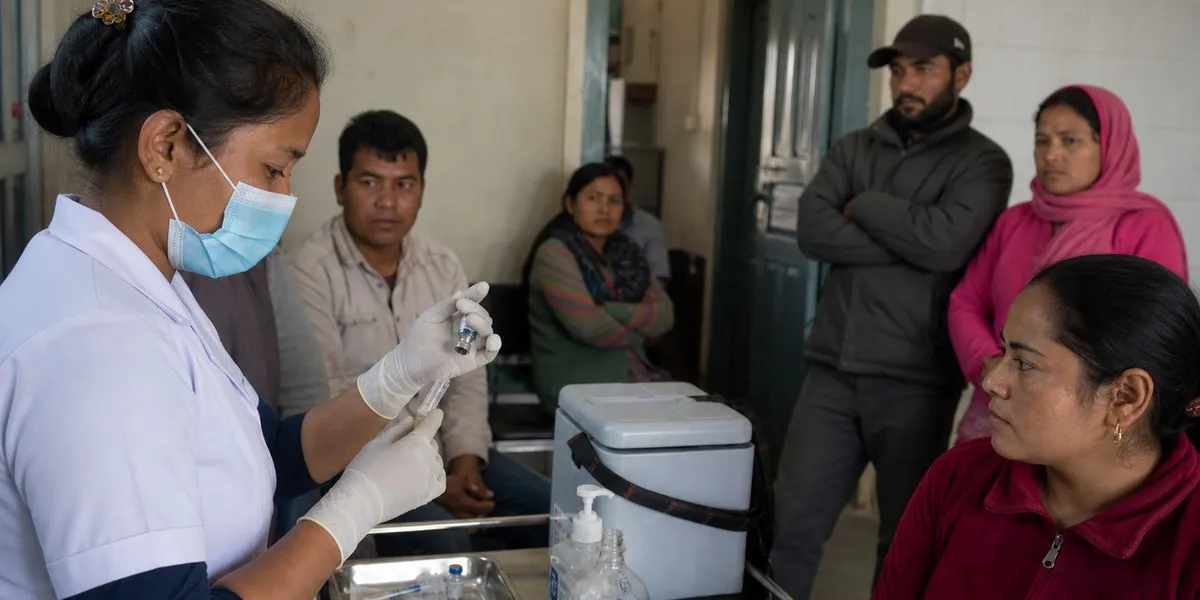
Nepal began vaccinating against Japanese encephalitis in 2006, and since 2015 the vaccine has been included in the routine program and is available free of charge at state medical facilities. However, the program does not cover adults, although many severe cases have been recorded among them in recent years.
The Health Ministry has completed preparations to vaccinate people over 30 in three local units of Kailali District: Dhangadhi, Lamkichuha and Ghodaghodi. Vaccination across Jhapa District is planned to begin on September 21. At the same time, the government has not allocated funds this year to vaccinate the entire unvaccinated population.
Japanese encephalitis is transmitted through bites from infected Culex mosquitoes, which breed, among other places, in rice fields. Pigs and ducks are natural reservoirs of the virus. There is no specific treatment for the disease: medical care is aimed at controlling symptoms and complications. According to the World Health Organization, about one-third of people with severe disease die, while up to half of survivors may have severe lifelong impairments.


