
In Nigeria, JRB Chair Adedeji calls taxpayer experience a measure of tax reform
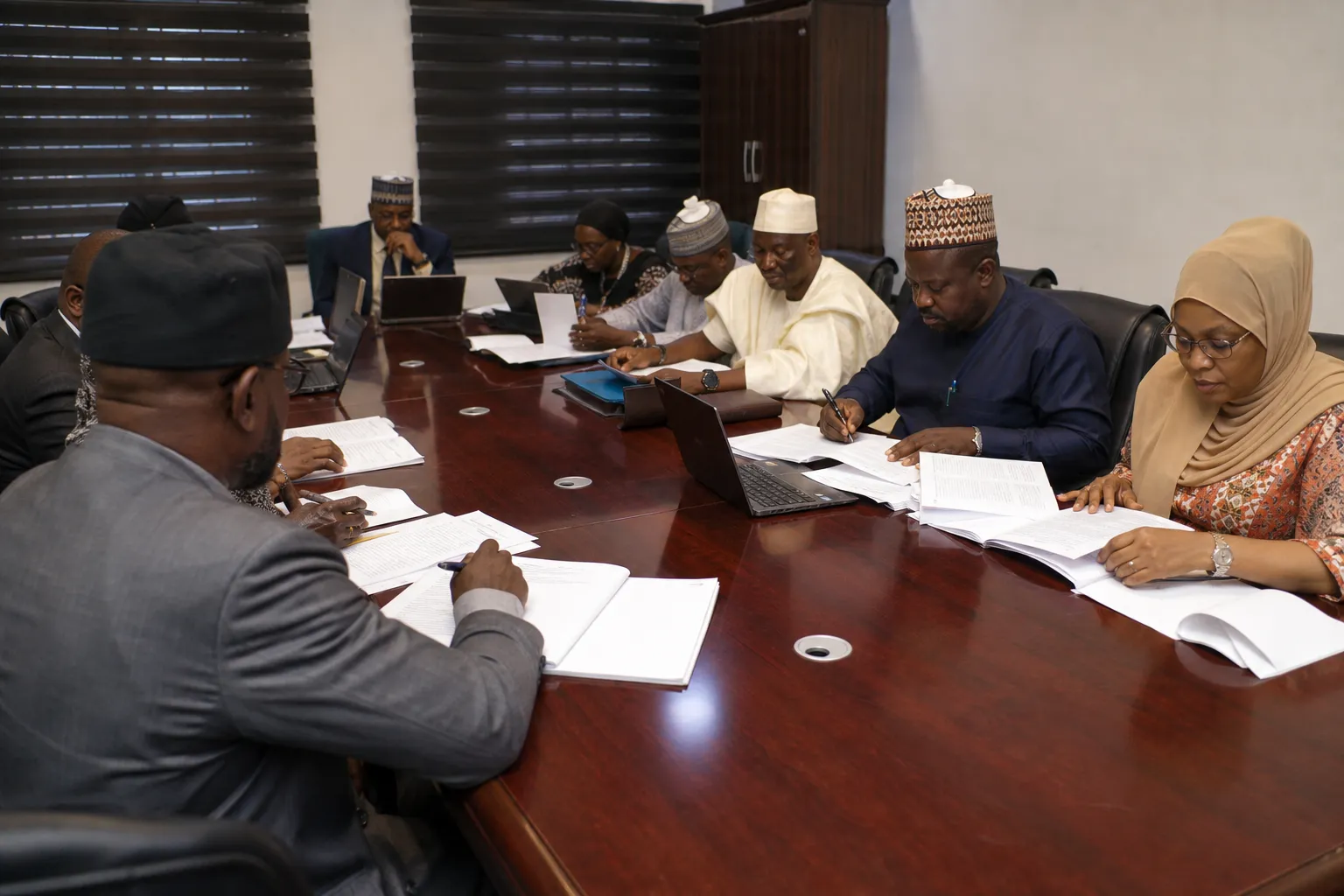
In Nigeria, the Chair of the Joint Revenue Board (JRB) and the Nigerian Revenue Service (NRS), Zacch Adedeji, said that the success of tax reform should be assessed by improved revenue mobilisation, higher tax compliance, a better taxpayer experience and its contribution to the country’s development. This was reported by Premium Times Nigeria.
Assessment of the reform’s first year
At the 160th meeting of the JRB in the city of Kaduna, Adedeji, represented by NRS Executive Director for Finance and Corporate Services Muhammad L. Abubakar, said there had been progress in the institutional reform of the tax system. Among the areas where progress has been made, he named digitalisation, data integration, harmonisation and cooperation among bodies responsible for revenue administration.
The meeting’s theme was “One Year of Reform: Assessing Progress and Addressing Challenges.” Adedeji said the board should assess the implementation of the changes, address identified gaps and consider challenges that may arise.
Changes in the states
JRB Executive Secretary Olusegun Adesokan reported that the legislative assemblies of 18 states had adopted the model harmonised law on taxes and levies. According to him, the document is aimed at countering the duplication and overlapping of taxes in the country.
More current news is available on the UA.News Telegram channel Telegram.
Adesokan said the new legislation reduced more than 50 types of payments previously administered by states and local governments to nine categories. He also said that the model law abolishes the cash collection of payments and the setting up of roadblocks to collect revenue.
According to Adesokan, the reform reduced the tax burden for low-income people, introduced relief for microbusinesses and eliminated a number of minor taxes and levies. Kaduna State Governor Uba Sani said the goal of the changes should be a system in which it is easier to comply with tax requirements, enforcement is applied more thoughtfully and voluntary tax payment becomes the norm.
The outgoing Executive Chairman of the Kaduna State Internal Revenue Service, Jerry Adams, said that tax compliance in the state had increased from about 35% to 65% over the past three years.


