
Nigeria urged to include human rights in climate policy — Premium Times Nigeria
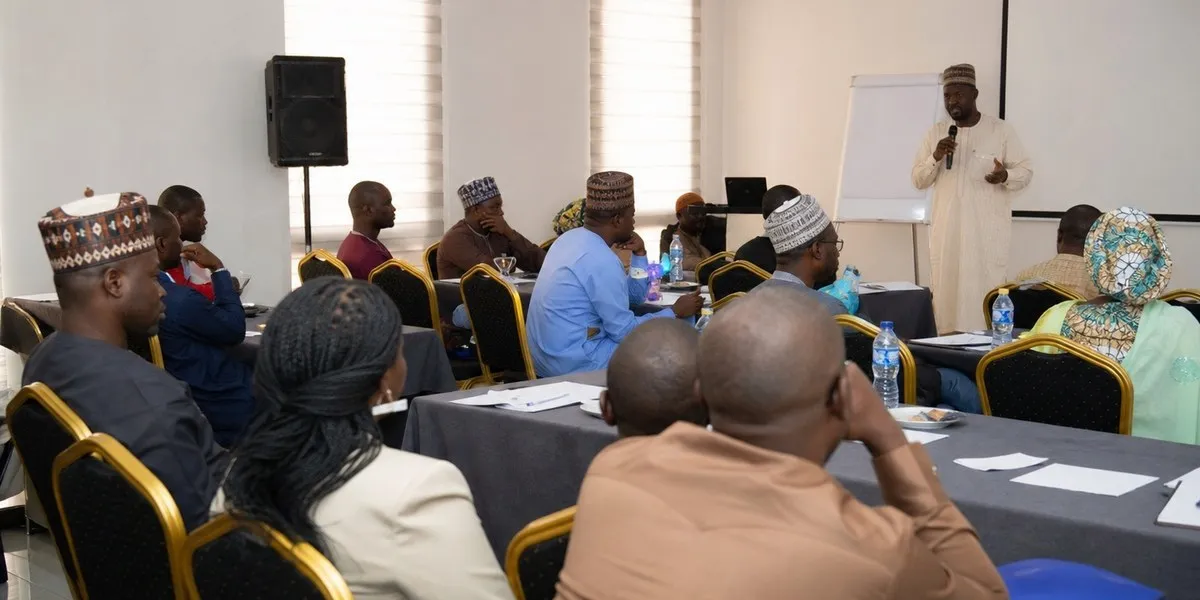
Nigeria’s National Human Rights Commission has called for human rights standards to be integrated into the country’s national climate change policy. The commission’s executive secretary, Tony Ojukwu, presented this position at a seminar in Abuja, Premium Times Nigeria reports.
The event was organized by the National Human Rights Commission and the Danish Institute for Human Rights. Ojukwu said that without considering human rights in climate policy, a gap would emerge: government measures may fail to take into account the full impact of climate change on people’s lives. He also called for human rights experts and the commission itself to be involved in developing relevant decisions.
Consequences of extreme weather
According to Ojukwu, the Nigerian government has mainly focused on reducing emissions and early warning, while the human consequences of climate change require separate attention. The country is recording unusual rainfall, heat waves and severe floods that lead to displacement and the destruction of agricultural land.
More current news is available on the UA.News Telegram channel Telegram.
Nigeria’s National Emergency Management Agency reported that floods in 2025 affected 25 states, claimed 228 lives and forced many residents to leave their homes. In July, the Nigerian Hydrological Service issued a seven-day warning of a moderate flood risk in 17 states.
A human rights-based approach
The commission’s chief legal adviser and climate change coordinator, Obioha Ben-Okoro, stressed that climate change cannot be viewed solely as an environmental problem. According to him, floods destroy homes and crops, contaminate water, disrupt education, cause families to be displaced and increase the risk of disease.
Such consequences affect the rights to life, dignity, food, water and socioeconomic rights. Ben-Okoro noted that climate hazards disproportionately affect people depending on disability, socioeconomic status, place of residence and gender. He called for a human rights-based approach before, during and after climate hazards, including ensuring participation in decision-making, accountability, access to justice and information, as well as non-discrimination and equality.


