
The decommissioning of nuclear power plants from the GDR era is being delayed in Germany
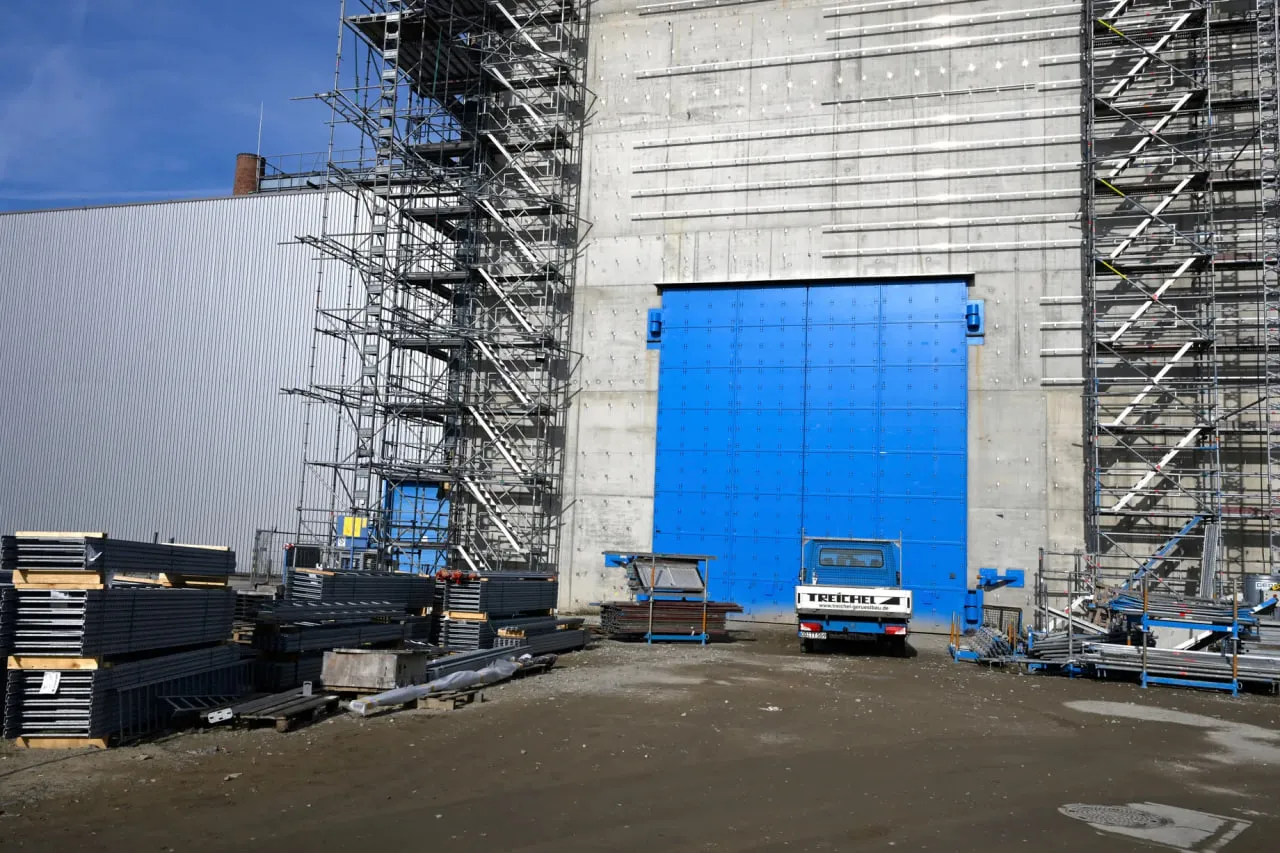
In Germany, there have been delays in the decommissioning of former nuclear power plants that operated during the GDR era. Construction of a special facility for dismantling large nuclear power plant components in Lubmin and Rainsberg will be completed later than planned.
“Construction work is in full swing and progressing rapidly,” said a representative of EWN (Entsorgungswerk für Nuklearanlagen GmbH), the federal nuclear waste disposal company. However, construction is now expected to be completed in 2027, with commissioning scheduled for next year.
In early 2025, there was still talk of the so-called dismantling facility (ZLH) in Lubmin possibly being completed by the end of last year and operations beginning no earlier than the end of this year.
According to the spokesperson, the delay is due to several reasons: “The key factor is the current industry-wide challenges in the construction sector, over which we, as the client, have only limited influence.” She pointed to a persistent shortage of skilled workers, delays in supply chains, and the availability of materials and components.
“In addition, the dismantling workshop imposes high demands on the planning and execution of work due to its specific technical and safety requirements,” she said.
Subsequently, this facility will, among other things, be used to dismantle so-called steam generators—which were used in power plants to generate steam for turbines using heat—as well as pressure vessels. The components will be shredded and processed so they can be transported, for example, to the “Konrad” mine in Salzgitter, Lower Saxony—the future repository for low- and intermediate-level radioactive waste. Alternatively, the components will be completely decontaminated and disposed of in the usual manner.
The centerpiece of this massive complex is a hall approximately 30 meters high, 60 meters long, and 40 meters wide, equipped with large steel gates. The crane system is designed to lift hundreds of metric tons. In the center is a pool where the components will eventually be dismantled remotely underwater—for radiation protection. The 90-centimeter-thick concrete walls also serve as a protective shield.
The dismantling pool is lined with stainless steel for protection, and the 44-metric-ton panels of the hall’s large gates are filled with concrete to provide a shield. The floors and parts of the walls have a special coating to prevent any potential contamination. Exhaust air is filtered and monitored.
According to previous statements, the physical needs of those who will work in the building are also subject to safety measures. Eating will be permitted only in a separate room due to the risk of potential contamination spreading to other areas. There will also be no restrooms in the controlled zone, as wastewater would otherwise require special treatment.
Construction of the foundation began in late 2018, and the ZLH building’s structural framework was completed in the summer of 2020. The coronavirus pandemic, among other factors, has repeatedly caused delays.
This was reported by Spiegel.
A Soviet cannon, believed to have lain in a river for over 80 years, was found in Germany — Euronews.
Germany urgently summoned the Chinese ambassador amid rumors of Russian military exercises
Germany has urged its citizens to leave Russia


