
South Africa examines taxi industry’s influence on police and courts — Daily Maverick
In South Africa, testimony by taxi owner Joe “Ferrari” Sibanyoni before the Madlanga Commission has again drawn attention to the possible influence of the taxi industry on the police, politics and the judicial system. In an analytical article, Daily Maverick notes that Sibanyoni denied involvement in killings in the industry during the hearings, despite references to “hits” and “izinkabi” in his WhatsApp correspondence.
Links to the police
The publication’s author believes that the influence of certain representatives of the taxi industry is primarily linked to their contacts within the police. The article states that law enforcement officers and industry workers often live in the same communities and interact with one another daily. For many years, residents have also voiced complaints suggesting that some police officers may own taxis or hold stakes in such businesses.
According to accounts described by the publication, taxi drivers threatened people who gave acquaintances rides to work and also demanded money for the return of vehicles after they entered areas effectively controlled by industry representatives. Daily Maverick emphasizes that these are allegations and complaints, not court findings.
More current news is available on the UA.News Telegram channel Telegram.
Court cases and political influence
Sibanyoni previously appeared in court in an extortion case. The chief magistrate of KwaGqafontein, Tulethu Tonjeni, insisted on hearing the case personally and, when the prosecutor failed to appear, struck it from the roll. After it became known that her actions had been found improper and were to be investigated, Tonjeni resigned. The article’s author claims that some influence may have been exerted on the situation, but provides no evidence of this in the text.
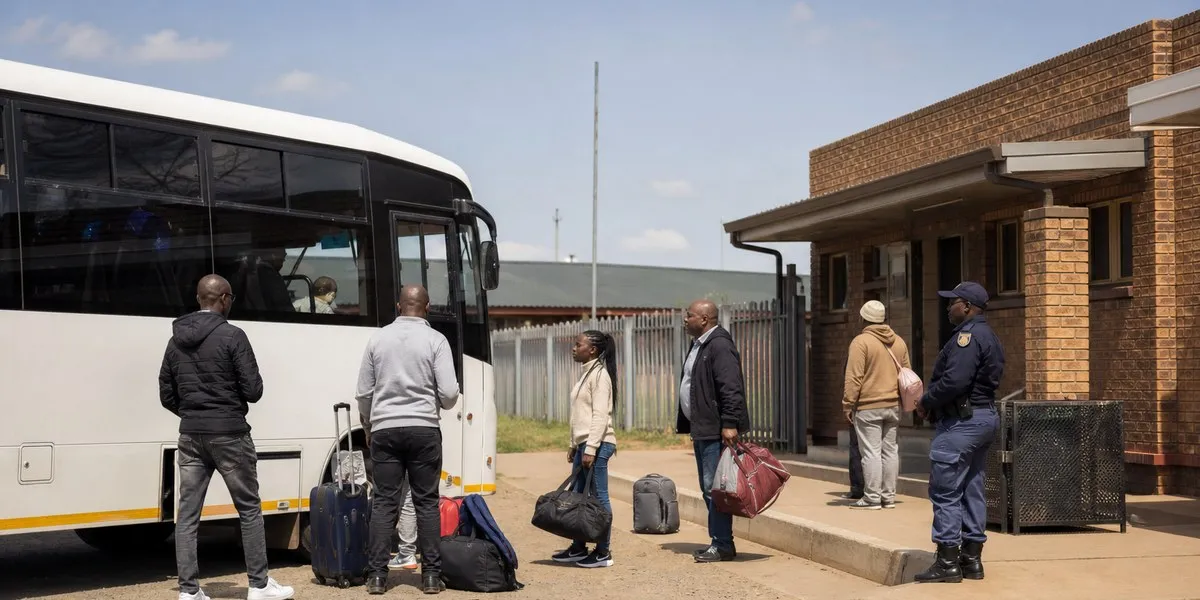
The publication also mentions a dispute involving the bus company Intercape. After the South African police failed to comply with a number of court orders regarding the protection of its buses, the company obtained permission to drop off passengers at the Ngcobo police station in the Eastern Cape province. The Ngcobo Ratepayers Association filed an application, claiming that this practice creates problems for residents, but the court supported Intercape.
During the hearings, Professor Somadoda Fikeni, chair of the Public Service Commission, called the persistent chaos in state institutions a “political economy of instability” — a strategy from which those interested in institutions being unable to perform their functions benefit. In the Daily Maverick author’s view, the weakening of the state and law enforcement agencies creates favorable conditions for influential representatives of the taxi industry.




