
Russia is preparing a textbook on Ukrainian history for schoolchildren
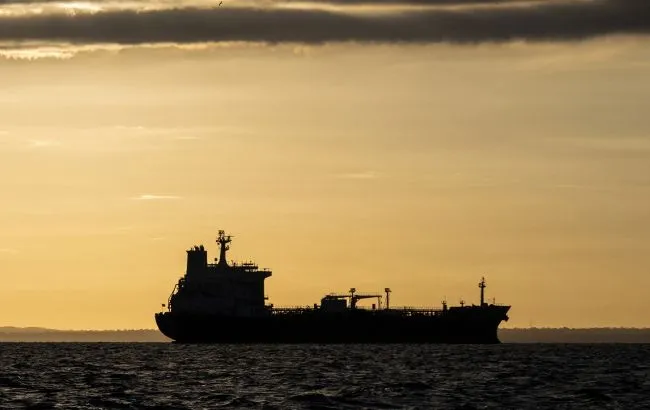
Indian oil refiners have begun to cut back on purchases of Russian oil and seek alternative supplies. One of the reasons for this is the Ukrainian strikes on Russian oil infrastructure, which have hampered the export of crude oil from Russia. Meanwhile, Indian refineries are already stepping up their purchases of oil from the U.S., West Africa, and the Persian Gulf countries.
India, which in recent years has become one of the main buyers of Russian oil, is changing the structure of its purchases. Local refineries are trying to find additional sources of crude, as supplies from Russia have become less accessible. According to analysts, Russian oil imports to India may drop to approximately 2 million barrels per day in August. By comparison, in July this figure reached about 2.8 million barrels per day.
This decline is due to several factors. Russian oil exports have decreased, while Indian companies are simultaneously facing competition from China for available oil supplies. In addition, following the completion of scheduled maintenance, Indian refineries are preparing to increase production and will therefore need more crude oil.
India Seeks Oil from Other Countries
Amid the decline in Russian supplies, Indian buyers are turning more actively to other suppliers. Among them are producers from West Africa, the United States, and the Gulf states. One of the country’s largest refiners, Indian Oil Corp., has already announced several tenders to purchase oil from the United States and the Middle East. Hindustan Petroleum Corp. and Mangalore Refinery & Petrochemicals Ltd. also joined the procurement of non-Russian crude this week.
According to Sumit Ritolia, a senior modeling manager at Kpler, the current reduction does not necessarily mean India is completely abandoning Russian oil. In his view, following the decline in purchases, supplies from Russia may stabilize at a level slightly above 2 million barrels per day. In other words, this is more a shift in the balance of purchases. India continues to buy Russian oil, but at the same time is trying to have more options and avoid dependence on a single source.
Ukrainian strikes have hampered Russian exports
Ukrainian attacks on Russian oil infrastructure have been a separate factor. Ukrainian drones regularly strike refineries, oil depots, and other infrastructure related to fuel production and transportation. According to Bloomberg, these attacks have disrupted operations at some Russian oil refineries. As a result, Russia has experienced disruptions in fuel production, and it has become more difficult for Moscow to direct some of its crude oil to foreign markets.
At the same time, the Russian oil industry does not depend solely on the operation of refineries. Exporting crude oil requires ports, oil pipelines, terminals, and a tanker fleet. Strikes against individual elements of this system can affect the entire supply chain. Tracking of tanker movements shows that over the past four weeks, total seaborne exports of Russian oil have fallen to approximately 3.5 million barrels per day. In July, this figure exceeded 4 million barrels per day.
Why This Matters for Russia
India has become one of the key destinations for Russian oil since the start of the full-scale war against Ukraine. Following the imposition of Western sanctions and restrictions on the purchase of Russian crude, Moscow began actively redirecting oil flows to Asian countries. Indian companies purchased Russian oil at significant discounts, refined it at their own refineries, and then sold petroleum products both domestically and abroad. For Russia, this market has become an important source of foreign exchange earnings.
Therefore, a reduction in purchases by one of its largest buyers creates additional problems for Moscow. If India begins to consistently buy less Russian oil, Russia will have to seek other buyers or agree to larger discounts to maintain export volumes. At the same time, it is still too early to speak of a complete shift in India’s policy. The country remains a major buyer of Russian crude, and the current decline is partly due to market factors, competition for oil, and changes in the availability of supplies.
The situation may change in the coming months. Indian demand for oil is expected to grow, and once refinery maintenance is complete, the country will need additional volumes of crude. Therefore, the extent to which Indian companies will meet this demand with Russian oil versus alternative supplies will depend on prices, availability, and the stability of exports.
What’s Happening with Russian Oil
Russia remains a major oil exporter, but its oil flows are increasingly dependent on complex logistics and a limited number of large buyers. Any problems with production, refining, transportation, or port infrastructure can quickly affect export volumes. Against this backdrop, Ukrainian strikes on oil facilities are adding further pressure on the Russian energy sector. At the same time, the global market is also experiencing a period of instability due to geopolitical tensions and the situation in the Middle East.
For India, this means the need to quickly strike a balance between price and supply reliability. For Russia, it poses the risk of a further decline in one of its main export sectors. This is according to Bloomberg.
The pro-Russian hacker group Server Killers has claimed responsibility for recent cyberattacks against Norway.


