
No agreement was reached in Seoul regarding housing within Yeonsan Park
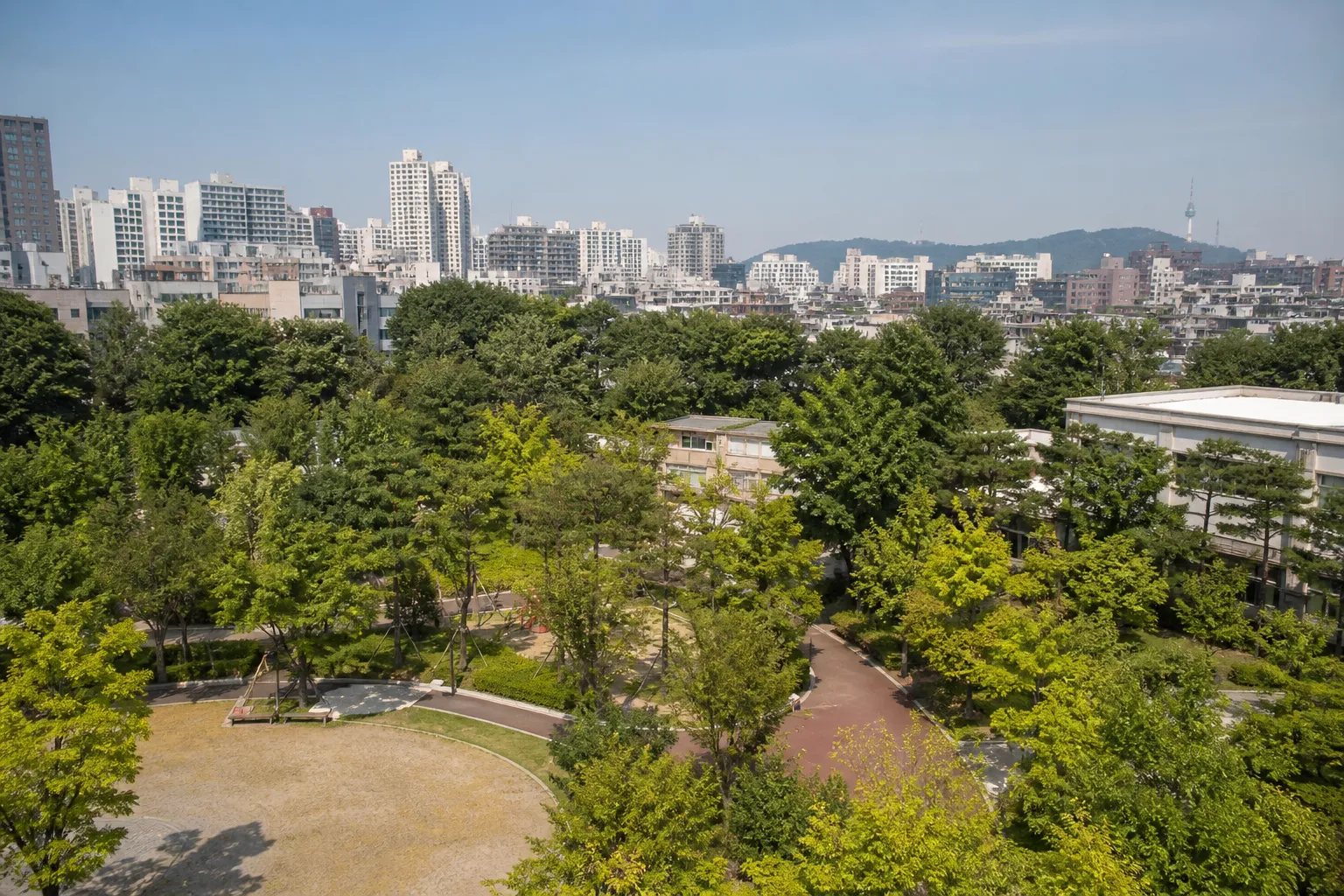
South Korean Minister of Land Resources Kim Yun-dok and Seoul Mayor Oh Se-hoon failed to reach an agreement on a potential housing development on part of the grounds of Yeonsan Park—a former U.S. military base in the center of the capital. According to the Korea Herald, the two met on Thursday and agreed to continue discussions next week.
About 3 square kilometers of land have been set aside for the park, and two-thirds of this area is the main territory of the former Yongsan Garrison. City officials plan to turn it into a national urban park, but the government is considering limited development to provide housing for young people and newlyweds.
Kim Yun-dok stated that preserving the park and building housing are not necessarily mutually exclusive. According to him, the authorities are exploring the possibility of developing areas that have already been altered by previous military use: the sites of former officers’ housing complexes, military apartment buildings, and the former Defense Procurement Agency. The minister also proposed opening the issue up to broader public discussion, specifically by holding public debates or establishing an advisory committee.
Oh Se-hoon opposed the use of any part of the main site for residential purposes. He emphasized that the park should remain a recreational space for Seoul residents and be part of the green corridor between Namsan Mountain and the Han River. The mayor also noted that the buildings, roads, and concrete surfaces on the former base’s grounds are a legacy of its military past, whereas the city’s goal is to transform the entire site into a park.
For more breaking news, follow the UA.News Telegram channel.
At the same time, city officials are prepared to take a more flexible approach to residential construction in adjacent areas, particularly in Camp Kim, the Gyeongnidan district, and at parking lots used by the Ministry of Foreign Affairs and other government agencies. According to Oh Se-hoon, Seoul is also prepared to support the development of housing infrastructure in these areas.
The main area of the garrison was to be returned to South Korea in accordance with the 2003 agreement on the redeployment of U.S. troops to Pyeongtaek. The first plots were transferred in 2020, with additional ones following in 2022; currently, about 31% of the former garrison has been returned. The current special law on Yeonsan Park stipulates that the main area must remain a park and cannot be repurposed or sold for other uses. The ruling Democratic Party is pushing for amendments to this law, but the parliamentary vote has been postponed until next week due to objections from opponents.
Experts are also urging caution regarding development. An environmental assessment and soil remediation are required before work can begin, and a significant portion of the land has not yet been transferred. According to Oh Se-hoon, the remediation of Camp Kim has been ongoing for five years and is still not complete.


