
A dispute over Supreme Court appointments has intensified in South Korea
South Korean President Lee Jae-myung has faced a political and legal controversy over the appointment of two Supreme Court justices. Supreme Court Chief Justice Cho Hee-dae recommended two candidates for the vacant positions in writing on Tuesday, without holding the customary in-person meeting with the president prior to formally submitting the recommendations, according to the Korea Herald.
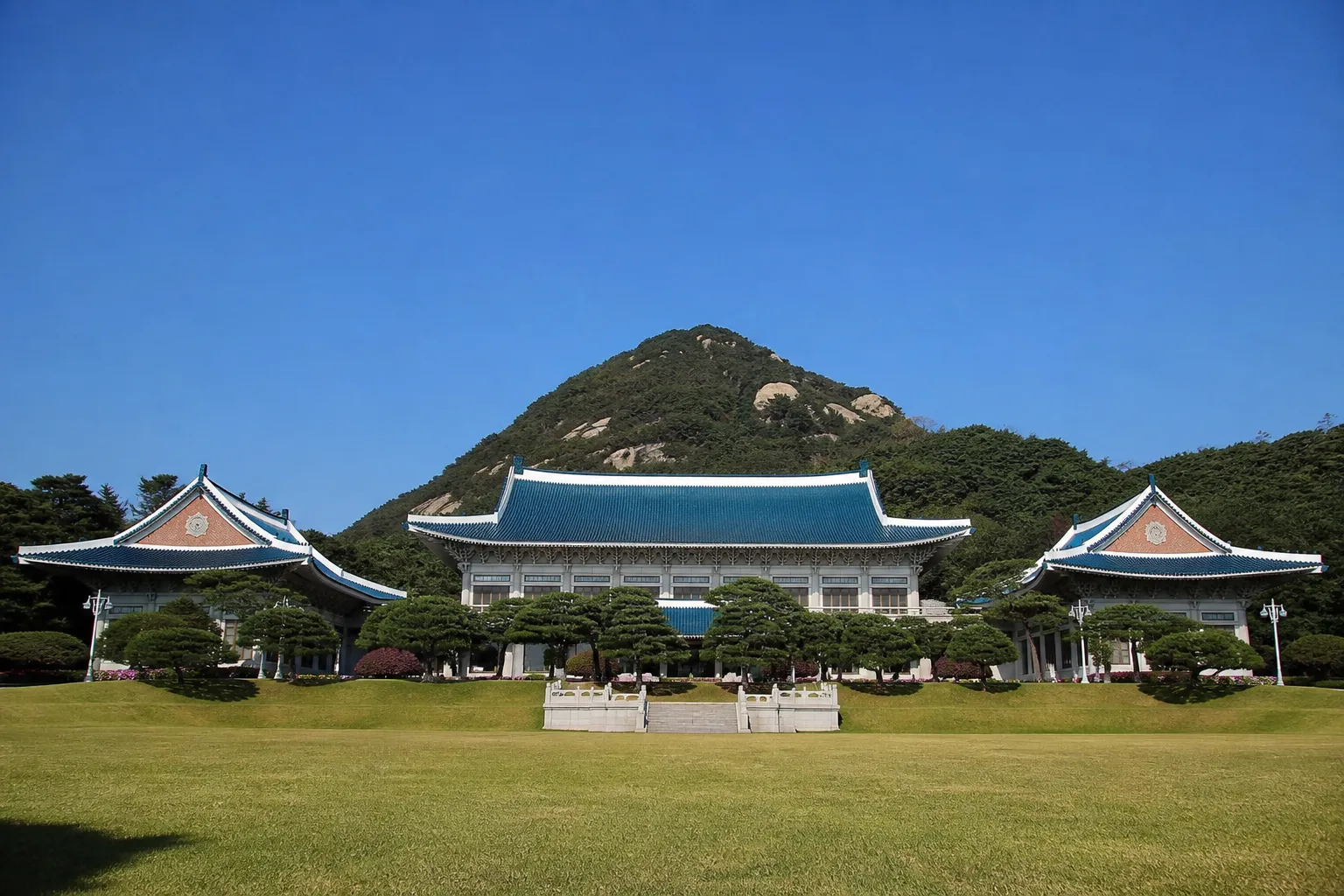
The presidential administration stated that this method of submitting recommendations is unprecedented in the constitutional history of the Republic of Korea. Cheong Wa Dae noted that it would first carefully review established practices and relevant laws, as it considers this to be a unilateral announcement made without consultation.
Senior Judge Kim Seong-soo of the Seoul High Court has been recommended for the position to be vacated by Judge Lee Heung-gu in early September. At the same time, the nomination of Senior Judge Son Bong-ki of the Daegu District Court has sparked the strongest objections within the presidential administration. He was nominated to fill the vacancy left by Judge Ro Tae-ak’s retirement in March.
For more breaking news, follow the UA.News Telegram channel.
According to the publication, Son’s nomination has already been informally discussed by representatives of the presidential administration and the judiciary. Some members of the ruling bloc believe that his appointment could reinforce the conservative nature of the Supreme Court, which is headed by Cho Hee-dae. Cho was appointed chief justice by former President Yoon Suk-yeol.
The South Korean Constitution stipulates that Supreme Court justices are appointed by the president upon the recommendation of the Chief Justice and with the consent of the National Assembly. At the same time, it does not require the Chief Justice to consult with the president before submitting nominations, nor does it explicitly grant the president the authority to reject a recommendation and request a new candidate.
Lawmakers from the ruling Democratic Party of Korea, as well as the “Rebuilding Korea” and “Chinbo” parties—all members of the parliamentary Committee on Legislation and Judiciary—opposed Son’s nomination. They called on Cho Hee-dae to apologize to the public and resign. The opposition People’s Power Party, for its part, accused the ruling camp of attempting to strengthen the executive branch’s influence over the judiciary.


