
Queues to doctors worry voters in Sweden ahead of elections — YLE News
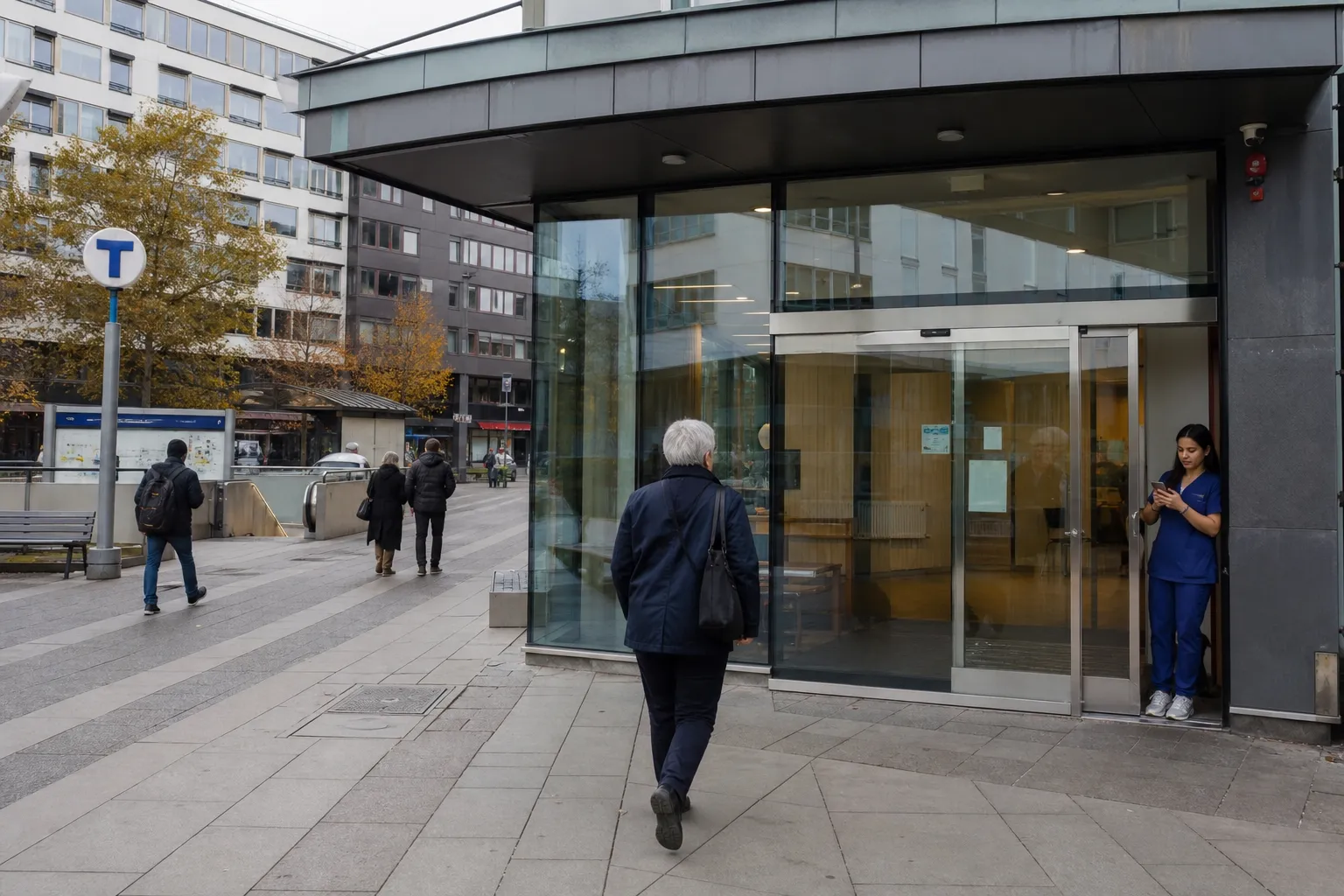
In Sweden, healthcare has become the most important issue for voters ahead of the elections: people are concerned about long queues and a shortage of treatment places. At the same time, according to EU report indicators, access to medical care in the country is noticeably better than in Finland. YLE News reports.
In the Swedish system, residents can choose between public and private medical centers. The cost of a visit for a patient does not depend on the ownership form of the facility: an appointment at a medical center costs 275 Swedish kronor, or less than 25 euros. Every resident of the country can be registered with one center, and in Stockholm they are allowed to change it twice a year.
Guarantees and regional differences
Primary care in Sweden must ensure contact with a medical center on the same day and an assessment by a specialist within three days. According to national statistics, the second requirement is met in 89% of cases, but there are significant differences between regions.
Swedes are most dissatisfied with queues for specialized medical care, particularly for surgeries. They increased significantly during the COVID-19 pandemic, and treatment guarantees in this area are fulfilled noticeably less often than in primary care. General practitioner Annika Eberg also pointed to a shortage of doctors: during certain periods, the number of patients assigned to her was three times higher than the recommended level.
More current news is available on the UA.News Telegram channel Telegram.
The role of private operators
About half of Swedish medical centers are run by private companies, mainly large corporations. Among them is Meliva, a brand of the Finnish company Mehiläinen that it uses abroad. In Sweden, the network already has nearly 30 medical centers.
Requirements for quality, staffing, opening hours and premises for such facilities are set by regional authorities. The regions have broad powers in healthcare management and their own right to levy taxes; regional representatives are also elected in elections. Transferring the healthcare system under state control has become one of the contentious political issues, while left-wing parties question the strengthening role of the private sector.
Mio Fredriksson, a public health researcher at Uppsala University, noted that by international indicators, the situation in Sweden is better than citizens themselves often perceive it to be. In treatment spending per person, the country is among the EU leaders, while life expectancy is the second-highest in the bloc.




