
In Sweden, railway workers accidentally unearthed a ship graveyard
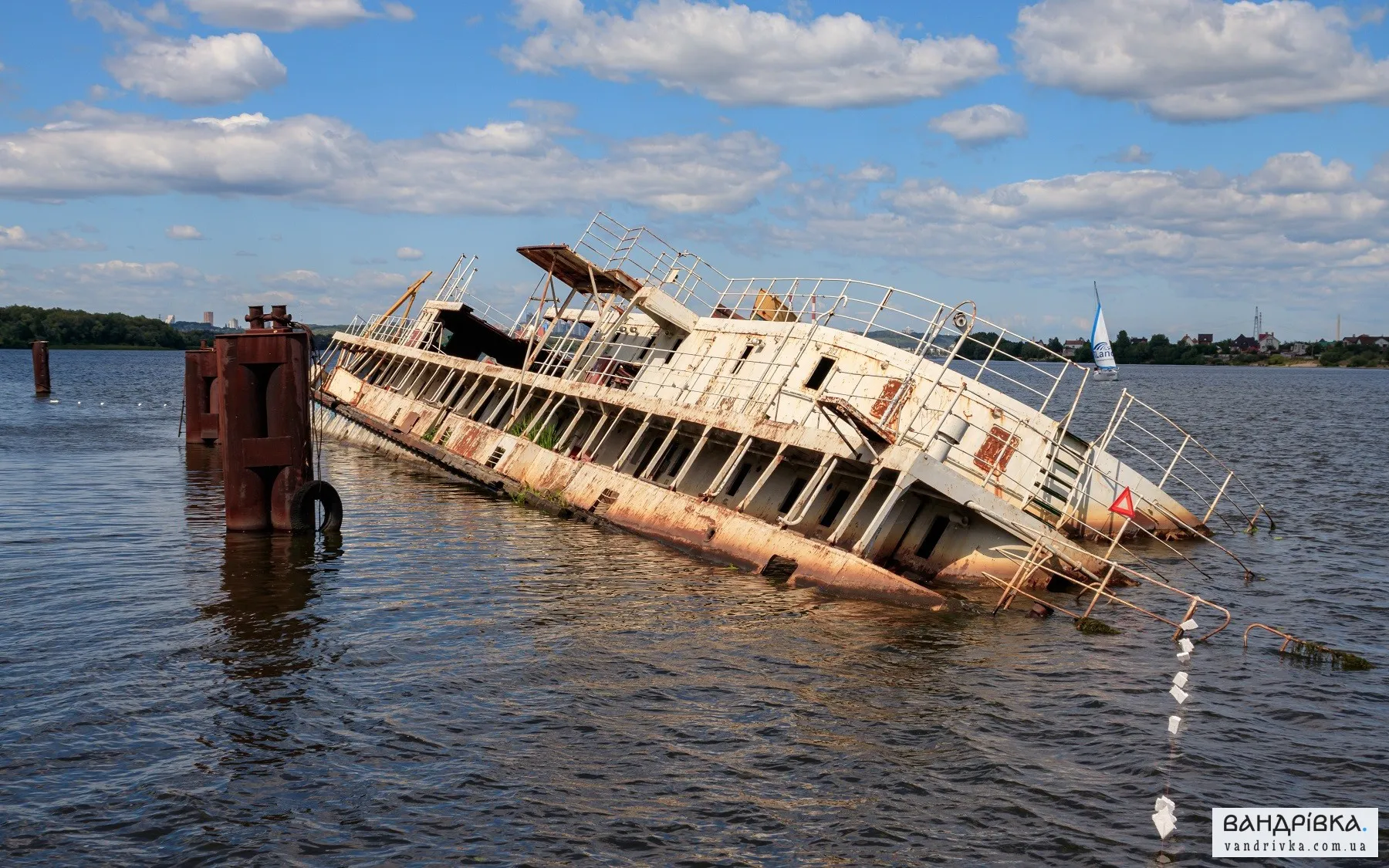
During extensive work on a railway tunnel project in the Swedish city of Varberg, workers stumbled upon a unique archaeological find.
Popular Mechanics reports on this.
At the site where the coastline once ran and a harbor was located, researchers discovered the remains of six ancient ships from various eras.
According to preliminary data from archaeologists, four of the discovered objects date back to the Middle Ages, while one ship dates to the 17th century.
Experts have not yet been able to determine the age of the sixth ship, but research is ongoing to establish the exact historical context.
Arkeologerna project manager Elisabeth Schager called these findings “fascinating” in her official statement, highlighting the construction details of “Wreck No. 2.”
This object has become a real mystery for scientists due to specific damage discovered on its hull during excavations.
According to experts, “Wreck No. 2” has an interesting feature—traces of fire on the hull’s protective strip.
This may indicate that the ship was deliberately set on fire before being sunk, suggesting certain ritual practices or safety measures employed by the sailors of that era.
Among other finds, researchers highlighted “Wreck No. 6,” which differs significantly from other vessels in its construction technology.
It was built using the caravel method, which was characteristic of Dutch shipbuilding traditions and indicates active international contacts in the region.
At the same time, vessels numbered “3” and “4” turned out to be flat-bottomed, which was typical of the medieval merchant fleet.
These design features allowed the ships to maneuver in shallow waters and efficiently deliver goods to harbors with complex seabed topography.
An ancient Roman forum with a special purpose has been unearthed in Spain
We previously reported that during excavations in Kerman Province in southeastern Iran, archaeologists discovered a case for a dark red lipstick from the Bronze Age.
During underwater excavations in Turkey’s Kerpe Bay, archaeologists found ancient artifacts: parts of a pier, fragments of amphorae, pottery, and more. They date from the 4th century BCE to the 12th century CE.
We would also like to remind you that in Aylesbury (UK), an ancient bird egg nearly two thousand years old was found during excavations.
