
Europe is preparing for a protracted war in Ukraine – The New York Times
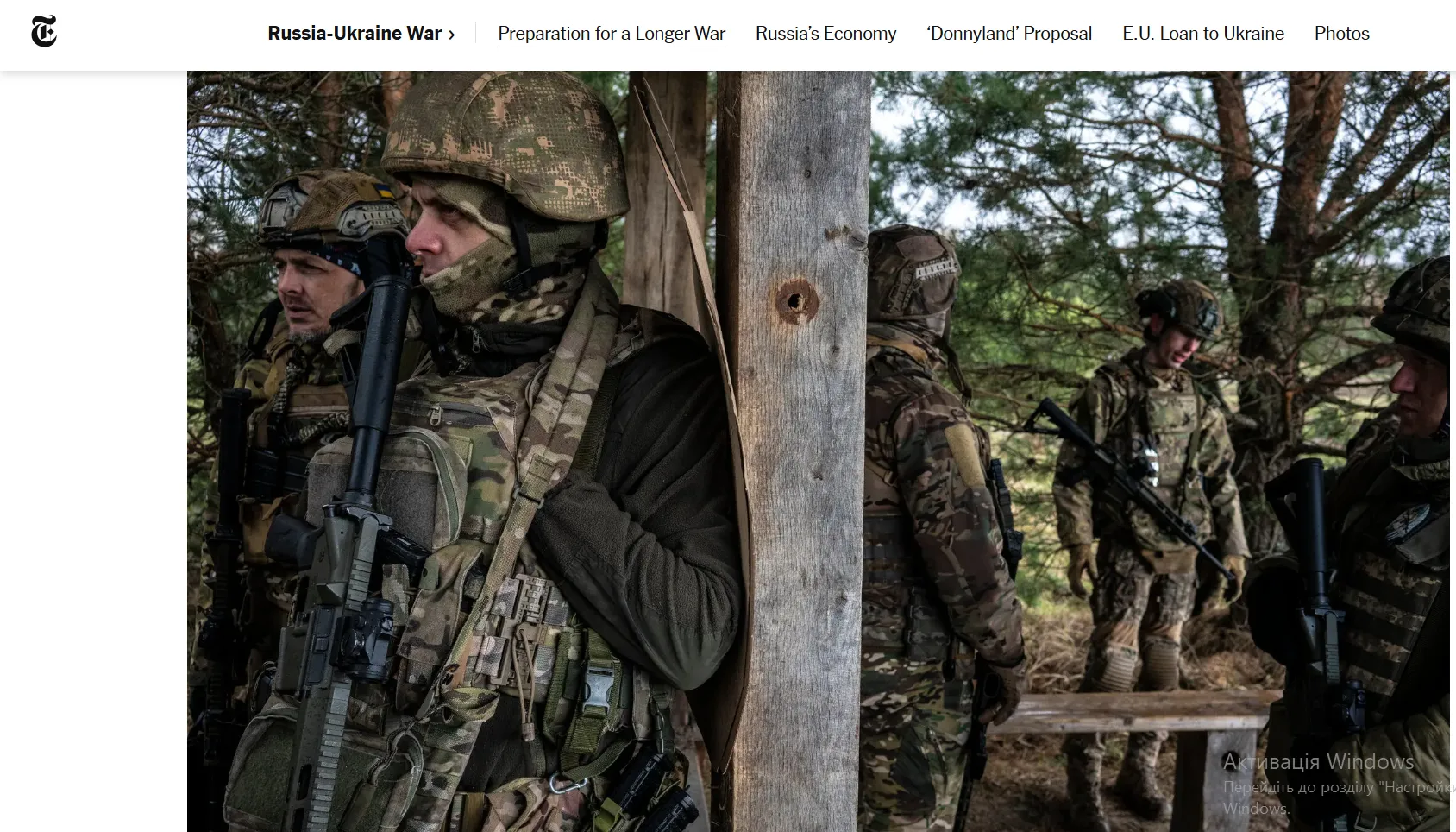
European countries are being forced to adjust their strategies in light of the protracted nature of the war in Ukraine, as hopes for a swift peaceful resolution are fading. Moreover, Washington’s role in the diplomatic process does not currently appear to be decisive.
This is reported in an article by The New York Times.
The U.S. administration has currently focused much of its attention on the war with Iran, so expectations for a negotiated settlement have diminished. This leaves Ukraine on its own in a war of attrition against Russia with no clear prospect of an end. Neither side currently has a clear advantage, and few believe that peace is possible without active U.S. involvement and pressure on Russia—pressure that U.S. President Donald Trump is reluctant to apply.
There is also no obvious mediator who could replace the U.S. in the negotiation process and exert significant influence on both sides. According to analyst James Sherr, 15 months after Trump promised to end the war in a single day, the parties have effectively returned to square one. President Zelenskyy, meanwhile, has “lost 80 percent of his illusions” regarding White House support, and Ukrainians are convinced that the outcome will be decided on the battlefield.
Europeans are increasingly realizing that Ukraine’s and Russia’s goals are incompatible, and the only sensible course is to prevent the Kremlin from winning. A €90 billion loan, provided amid a certain degree of American indifference, has become a powerful sign of the EU’s commitment. Additionally, Europe has intensified pressure on the Russian economy with two new sanctions packages targeting oil exports and the “shadow fleet.”
German Defense Minister Boris Pistorius emphasized that Russia has never taken negotiations seriously, so military aid remains a priority. Despite Brussels’ hopes that Putin would settle for his current “gains,” the EU acknowledges that the dictator wants to negotiate exclusively with Washington, ignoring European leaders.
Currently, neither side feels an urgent need for negotiations. Ukraine has sufficient resources to hold its positions and strike at Russian oil infrastructure, while the Russian army is suffering colossal losses for meager gains. Alexander Gabuev of the Carnegie Russia Eurasia Center notes that Kyiv does not need a “deal at any cost” this year.
At the same time, expert Claudia Major points to a critical problem: Europe still lacks a clear strategy for Ukraine’s victory. Providing limited resources allows the Ukrainian Armed Forces to remain “in the game,” but does not create decisive pressure on Moscow. The West is effectively waiting for internal changes in Russia—the death of its leader or economic collapse—yet the prospect of a peace agreement remains as distant as it was at the start of the conflict.
Recall that German Defense Minister Boris Pistorius sees no signs that the U.S. intends to withdraw from NATO.
NATO has clearly stated that the Alliance’s current charter contains no mechanism that would allow for the suspension of member states’ membership or their expulsion from the organization.
Spanish Prime Minister Pedro Sánchez officially commented on reports of alleged threats from the Pentagon regarding restrictions on the country’s membership in the North Atlantic Alliance.




