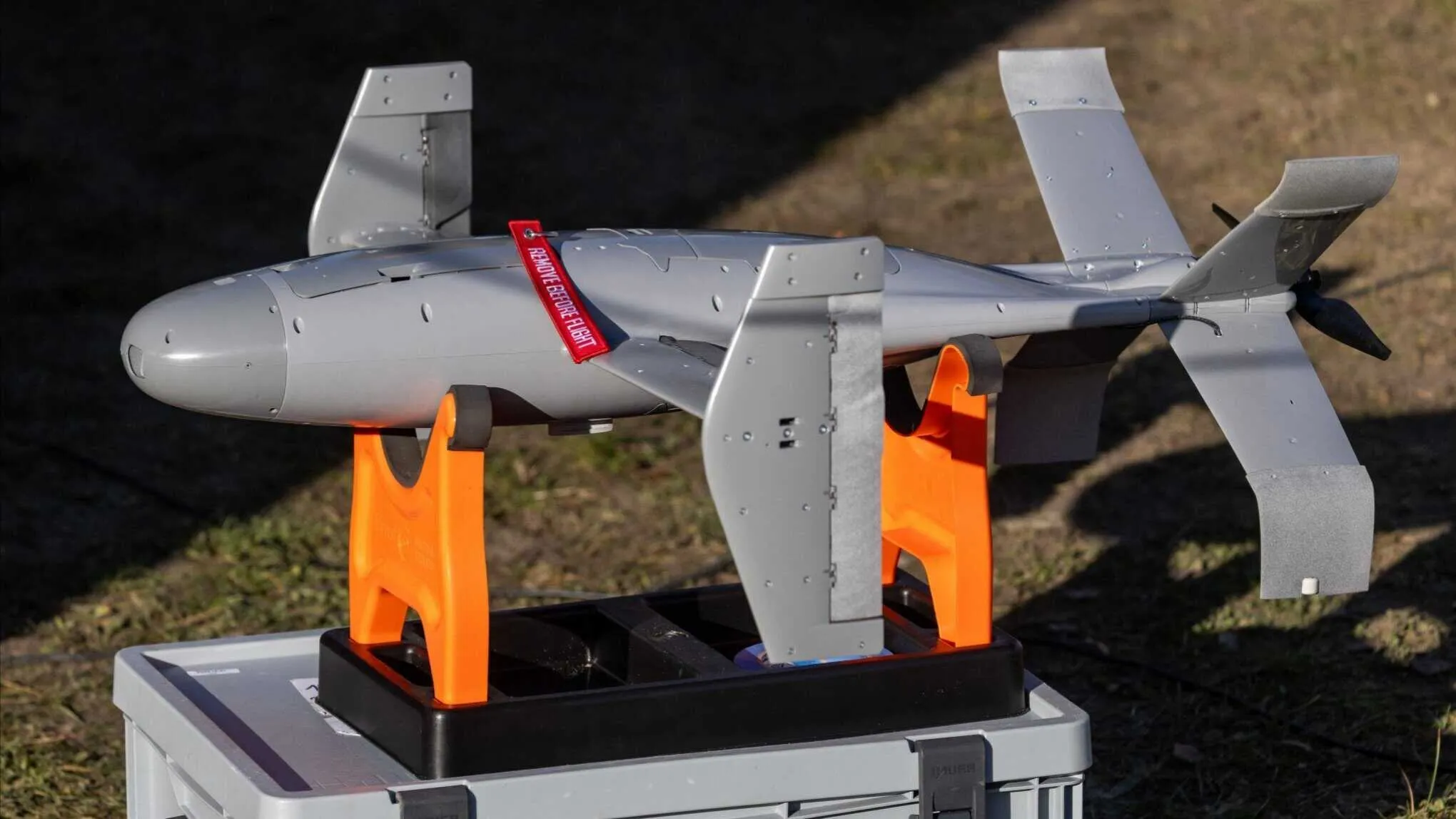
The U.S. Department of Defense has awarded a $500 million contract to Perennial Autonomy for the development and procurement of anti-drone systems for the U.S. Army.
The agreement was signed by Joint Interagency Task Force 401—a U.S. interagency body that coordinates the development of anti-drone technologies for the military.
Under the contract, the U.S. military plans to acquire AI-based drone interception systems, including Merops interceptor drones, Bumblebee quadcopters, and Hornet medium-range strike drones.
The contract calls for the development and integration of Counter-UAS systems to protect U.S. military bases, critical infrastructure, and units. This involves the automatic detection of drones, analysis of the air situation, and autonomous response to threats.
The Pentagon notes that the war in Ukraine has significantly changed the U.S. approach to unmanned technologies. The widespread use of FPV drones, strike UAVs, and swarm attacks has accelerated the decision to procure new anti-drone systems.
NATO Secretary General Mark Rutte and U.S. Secretary of State Marco Rubio held a meeting in Helsingborg, Sweden, during which they discussed preparations for the July summit of Alliance leaders in Turkey.
At the NATO summit in Ankara on May 22, they plan to discuss U.S. President Donald Trump’s “disappointment” with the Alliance. This was stated by U.S. Secretary of State Marco Rubio, who noted that this issue will be one of the items on the meeting’s agenda.