
Parliamentary elections are underway in Slovenia — DW
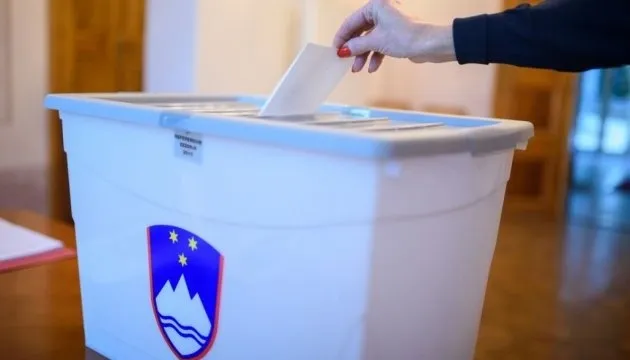
On Sunday, March 22, 2026, Slovenia will hold a critical parliamentary election, the results of which will determine the country’s course for the next four years.
This is reported by DW.
The main contest is unfolding between the incumbent liberal Prime Minister Robert Golob and the leader of the right-wing populist opposition, Janez Janša.
This election campaign has become one of the most tense in the country’s history, accompanied by high-profile scandals involving foreign interference and espionage.
At stake is whether Slovenia will maintain its status as a liberal democracy or shift toward conservative illiberalism, following the example of neighboring Hungary.
Incumbent Prime Minister Robert Golob and his party, the Freedom Movement (Gibanje Svoboda), advocate for deeper European integration, social reforms, and the promotion of progressive values.
During his tenure as prime minister, Golob has strengthened Slovenia’s position as a reliable partner within the EU and NATO, while focusing on stabilizing the economy domestically.
His main rival, the leader of the Slovenian Democratic Party (SDS) Janez Janša, has already served as prime minister three times and is known for his affinity for Viktor Orbán’s methods.
Jansa is also an open supporter of the political style espoused by U.S. President Donald Trump, which is causing concern in Brussels about the possible emergence of yet another “troublesome” EU member.
“The election largely boils down to a contest between incumbent Prime Minister Robert Golob and his liberal Freedom Movement party and opposition leader Janez Janša... The race is expected to be very tight, and neither camp is likely to win a majority in the 90-seat parliament,” DW experts note.
Pre-election polls showed a minimal gap between the two main forces.
Under these conditions, smaller parties will play a decisive role in forming the future coalition; they could become so-called “kingmakers”—the forces that will determine who exactly will head the next cabinet.
Polling stations are open until 7:00 p.m. local time, after which the first exit poll results are expected to be released.
These elections are of particular importance for Ukraine, as the Golob government has consistently supported our country, while a potential rise to power by Jansa could shift Slovenia’s rhetoric toward a more restrained or even Euroskeptic stance.
Tensions surrounding the election have intensified following allegations that the SDS party used private intelligence firms to discredit political opponents.
The Slovenian government has already called on the European Union to investigate possible instances of manipulation that could have influenced the will of two million citizens.
As a reminder, Slovenia will allocate 500,000 euros for the restoration of Ukraine’s energy sector.
Slovenia is also demanding that the European Commission investigate Israeli interference in the elections.


