
In the U.S., a $500 million factory failed to produce a single usable component for shells
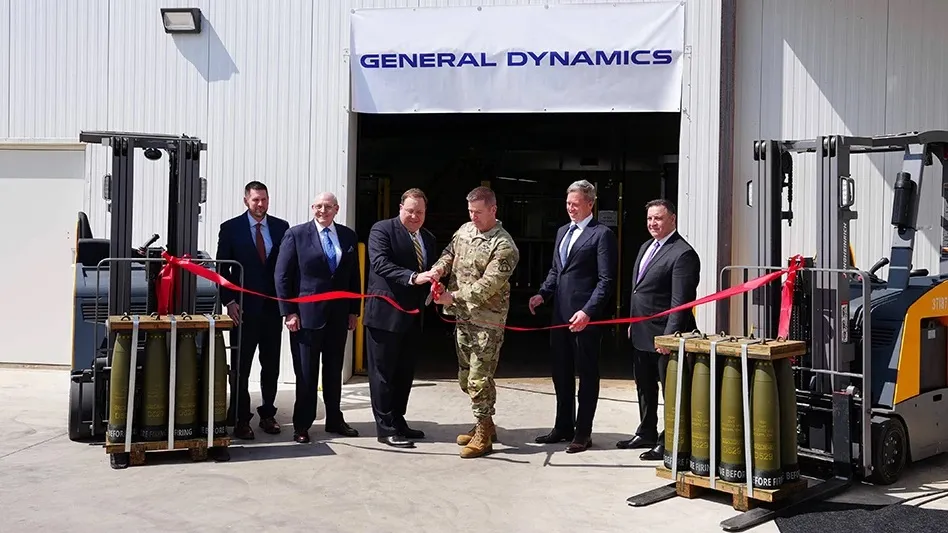
An audit of an American defense contractor revealed problems with the fulfillment of a contract to manufacture components for 155-mm ammunition. Despite nearly half a billion dollars in government funding, the General Dynamics plant in Texas was unable to produce a single part that met the requirements.
The U.S. Army has faced a serious problem in carrying out its plans to ramp up production of 155-mm artillery shells. The new plant in Mesquite, Texas—which received nearly $500 million in funding—had failed to produce a single usable metal component for the ammunition as of March 2026.
The facility, operated by General Dynamics Ordnance and Tactical Systems (GD-OTS), opened in May 2024. High hopes had been pinned on it to replenish stocks of 155-mm shells following large-scale shipments to Ukraine and sales to allies.
The report notes that without the 30,000 metal parts that the plant in Mesquite was supposed to produce, the army will not be able to reach its planned production capacity of 100,000 155-mm shells per month. As of March 2026, no alternative plan for producing these parts had been developed.
According to the inspectors, the main reason for the failure was the decision to adapt equipment designed to manufacture the casings of older M107 shells for the production of the more modern M795 shells. The new ammunition has different dimensions and technical specifications, so using the old equipment proved to be much more difficult than expected.
The report notes that military officials understood the risks of this decision but agreed to it because it was expected to speed up the start of production compared to purchasing a new production line.
Despite GD-OTS’s more than 20 years of experience manufacturing 155-mm shell casings at the army plant in Scranton, the facility in Mesquite was never able to produce a single component that met the contract requirements.
After Russia launched a full-scale war against Ukraine, the U.S. Congress set a goal of increasing production of 155-mm ammunition to 100,000 rounds per month.
Currently, the U.S. defense industry produces about 36,000 shells per month. Before the war began, this figure was only 14,000.
According to inspectors, the U.S. has already transferred more than 3 million 155-mm artillery shells to Ukraine. In addition, more than 218,000 rounds were sold to foreign customers, and another 111,000 were used during training exercises and tests. Overall, U.S. stockpiles have decreased by more than 3.6 million shells.
The U.S. Army agreed with the audit’s findings and promised to address the identified shortcomings.
At the same time, the Army Contracting Command disagreed with certain findings by the inspectors regarding the procedure for awarding the contract to GD-OTS. The command stated that the agreement was lawful, had been approved by Army leadership, and did not require a new competitive bidding process.
In February, U.S. Army Assistant Secretary for Acquisition Brent Ingram acknowledged to lawmakers that he was dissatisfied with the situation at the Mesquite plant. According to him, the Army even considered terminating the contract but ultimately decided to continue negotiations with the company.
Amid the delays, General Dynamics announced an additional investment of $200 million in its own funds. The company also decided to terminate its partnership with the Turkish manufacturer Repkon, whose equipment did not meet the necessary standards.
Instead, it plans to use manufacturing solutions from the American company Deterrence Defense. General Dynamics stated that it has already reached agreements with the Army on the next steps to launch production.
Despite the setback with the plant in Mesquite, the U.S. Army expects that, thanks to the modernization of other facilities in Iowa, Kansas, and Arkansas, to increase production to 140,000 155-mm shells per month by the end of 2027. This is 40,000 more than the initial target, but they plan to achieve this about a year later than originally anticipated.
This is stated in a report by the Office of the Inspector General of the U.S. Army.
As a reminder, Trump officially notified Congress of the resumption of the U.S. war with Iran.
U.S. President Donald Trump stated that he had left clear instructions to launch an unprecedented strike against Iran if Tehran succeeds in carrying out its plan to eliminate him.
U.S. President Donald Trump stated that Iran had approached Washington with a request to resume the negotiation process. According to him, the U.S. side agreed to continue the dialogue.


