
Tel Aviv discusses link between trauma and psychoactive substance use — Jerusalem Post
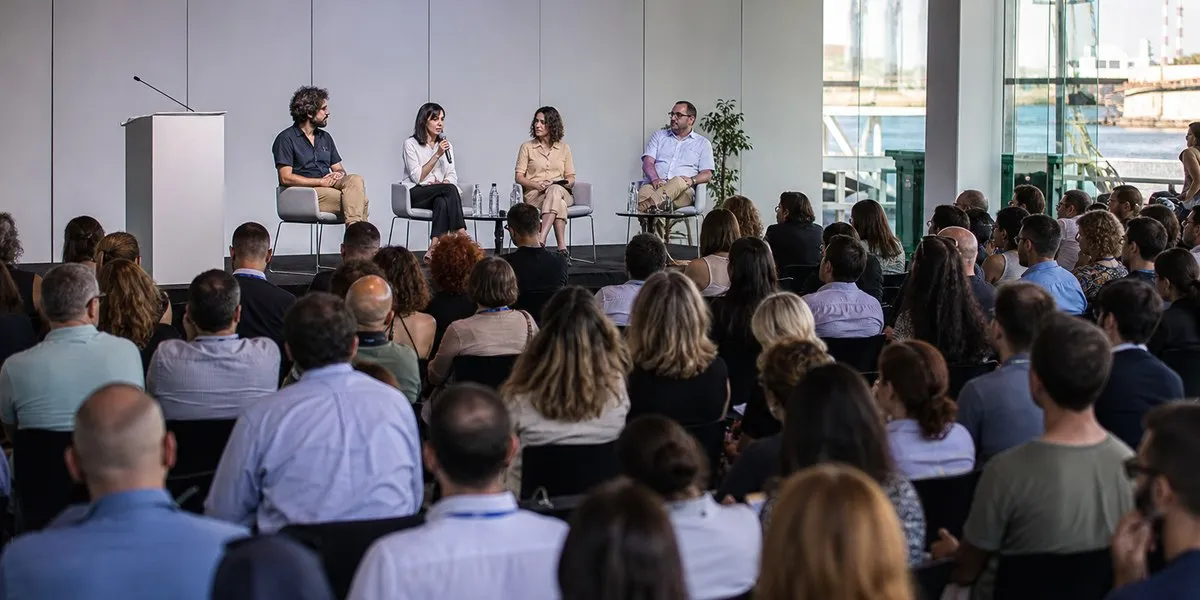
In Tel Aviv, Israel, on September 8, a conference was held for people who survived the October 7 attack on music festivals and relatives of those killed. Participants discussed post-traumatic stress disorder, psychoactive substance use, and the consequences of trauma for mental health, the Jerusalem Post reports.
The event, titled “Maintaining Balance,” took place at the Port of Tel Aviv. It was organized by the Nova Tribe public association and the Israel Center on Addiction and Mental Health, with support from the ministries of social welfare and social equality, as well as the national lottery Mifal Hapayis. According to the organizers, more than 500 people attended the conference.
An open conversation about the consequences of trauma
The conference was attended by people who survived attacks at the Nova, Mushroom, Psyduck, and Midburn festivals, as well as family members of those killed. It was hosted by Idana Dor Daniela Dor Levin, the sister of a person killed at the Nova festival, and Doron Mizrahi, who survived the attack.
During the attack, Mizrahi helped evacuate the wounded and later served in the Israel Defense Forces reserve. He now supports other people who survived the attack through the association’s mentoring program.
More current news is available on the UA.News Telegram channel Telegram.
Nova Tribe CEO Rif Peretz said there is a need within the community to speak about psychoactive substance use openly, responsibly, and without judgment. According to him, for some people after October 7, it became a way to fall asleep, relax, distance themselves from what they experienced, or numb the pain.
Data on PTSD and problematic use
Professor Shauli Lev-Ran, co-founder and academic director of the Israel Center on Addiction and Mental Health, presented data according to which 54% of Israelis with symptoms of post-traumatic stress disorder reported problematic psychoactive substance use.
Lev-Ran noted that PTSD can change patterns of substance use and make it more difficult to recognize the point at which they stop helping and become potentially harmful. According to him, substances can provide short-term relief but over time hinder recovery, so substance misuse should also be considered during trauma treatment.
After the lecture, a discussion was held with people who survived the attacks and representatives of the families of those killed. They spoke about ways of coping with what they had experienced and maintaining balance in everyday life.


