
100,000 ecstasy pills shaped like Gaddafi bust seized in Tripoli — Euronews
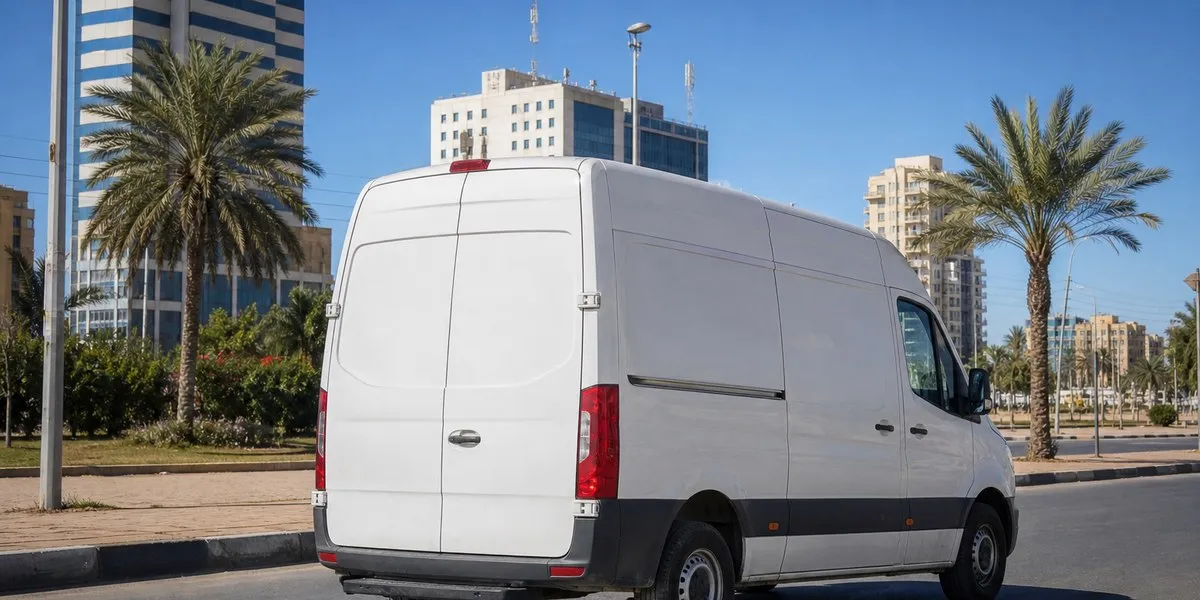
Security forces of Libya’s government in Tripoli seized around 100,000 ecstasy pills shaped like a bust of former Libyan leader Muammar Gaddafi. As Euronews reports, the shipment was intercepted on Saturday by officers of the Deterrence Force for Combating Terrorism and Organized Crime, known as Rada.
According to Libya’s LANA agency, law enforcement received information about a criminal network that was transporting the pills through an unnamed European country. The shipment arrived by sea through an unnamed port and was concealed in a Renault Master van. The suspects were detained and handed over to prosecutors.
A separate operation in Benghazi
Meanwhile, in Benghazi, which is controlled by forces linked to Marshal Khalifa Haftar and his Libyan National Army, the Criminal Investigation Agency announced the seizure of an unspecified number of pills that it described as Captagon. The agency believes that Syria was the likely place of manufacture of the drug.
More current news is available on the UA.News Telegram channel Telegram.
Captagon is an amphetamine-type stimulant that became widespread in Middle Eastern markets during the years of Syria’s civil war. According to analysts at the New Lines Institute, at its peak, Syria’s Captagon trade could have generated up to $10 billion a year. The United States and the United Kingdom imposed sanctions on Bashar al-Assad’s brother Maher and a network of people linked to him over their alleged role in the production and export of the drug.
Pills bearing Gaddafi’s image had been found before
In August 2025, authorities in Benghazi had already reported seizing pills bearing Gaddafi’s image. Experts then identified them as MDMA-type drugs, while investigators suspected Syrian origin. In the same month, another shipment in Benghazi contained 45 ecstasy pills with the same image among 1,355 different pills.
In its 2026 assessment, the UN Office on Drugs and Crime called Libya an increasingly important regional transit hub for synthetic drugs due to the country’s political fragmentation and weak border controls.


