
In recent years, perceptions of Ukraine in Europe have changed dramatically. On the one hand, Europeans are impressed by the heroism of the Ukrainian Armed Forces and the Ukrainian people’s commitment to freedom and democracy. On the other hand, there is a negative legacy of corruption scandals, a poor business reputation, a lack of understanding of Ukrainian history, and the entrenchment of Russian myths.
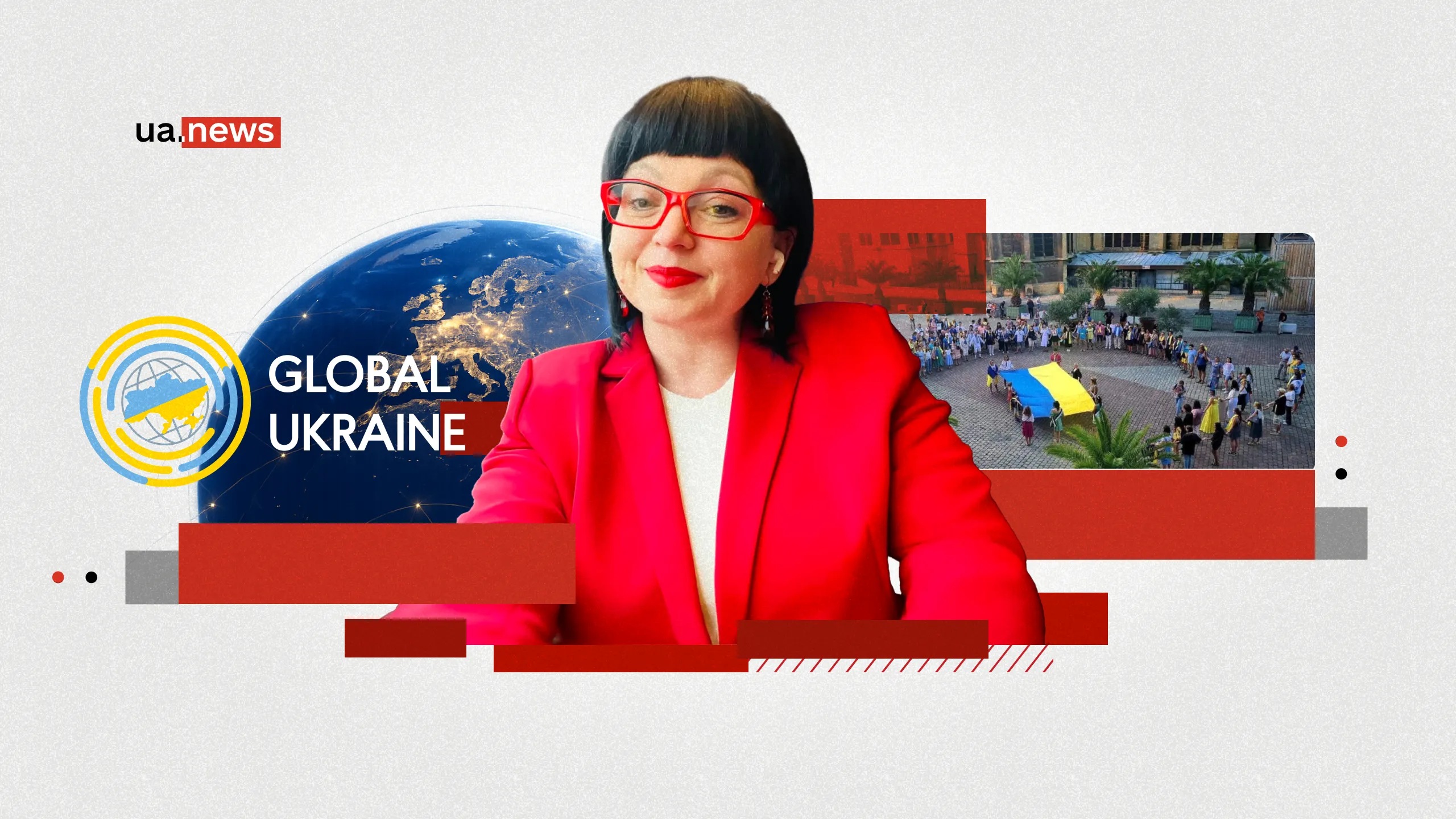
Violeta Moskal, a PhD from the University of Lorraine in France, an expert on international development, and the founder of the Global Ukraine Foundation and KViTKA—the first neobank for the Ukrainian diaspora—discusses new public diplomacy, the role of the diaspora in shaping Ukraine’s international brand, and the challenges facing Ukraine in the 21st century.
UA.News publishes the first part of the interview—on the power of horizontal connections, Russia’s information warfare, the need for an international tribunal, and Ukraine’s chance to become a model of a new democracy for Europe. Below are Violet Moskal’s direct quotes.
Who and what shapes Ukraine’s image in Europe
Europe continues to admire Ukrainians as a nation that withstood an aggressor’s invasion. That sentiment remains. When speaking with experts, institutional partners, or simply within society, I hear expressions of support. There is a certain form of solidarity that we feel toward the nation and its culture. Europeans are discovering Ukraine’s creative heritage, which was previously less prominent.
I have lived in the diaspora for over 25 years and can compare the situation with Ukraine’s brand before and after the “Euromaidan,” as well as after the full-scale invasion by the Russian Federation.
Noteworthy is the work of the First Lady Olena Zelenska’s Foundation, which is developing the Global Coalition of Ukrainian Studies—a global network that has already attracted over 70 foreign universities and operates at a high professional level. The President of Ukraine’s Foundation for the Support of Education, Science, and Sports is also actively working and assisting the Global Coalition for Ukrainian Studies.
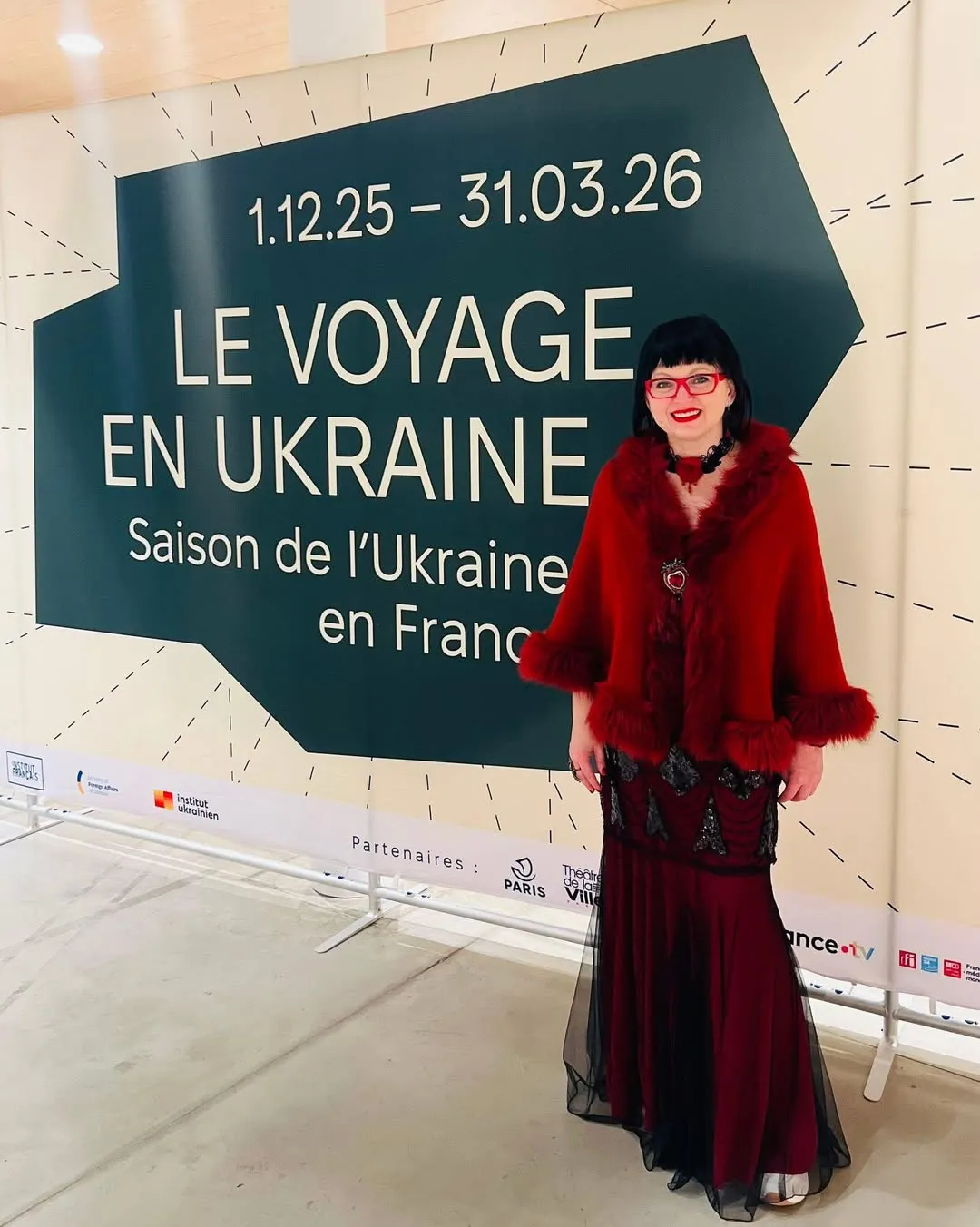
Large-scale projects such as the Season of Ukrainian Culture in France are inspiring. The event ran from December 2025 to March 2026. It was the first such initiative in the history of Ukrainian-French diplomatic relations. Our city of Metz (Lorraine) was among the ten French cities that participated in this initiative with the support of the French government and the Ukrainian Institute. Throughout February, cultural events took place daily. Renowned artists visited us. Director Vlad Troitsky presented an exhibition about the 20,000 deported children and, more broadly, about children of war. An incredibly creative team worked on the projects alongside our students.
Being part of the academic world myself, I have also been actively developing Franco-Ukrainian cooperation formats for over 25 years.
But there is no barrel of honey without a spoonful of tar. It is sad to see how the positive image of the Armed Forces of Ukraine, as defenders of freedom and guardians of the European continent’s frontier, does not extend to the image of Ukrainian business. This is particularly noticeable in Western European countries.
Perhaps the situation is different in Eastern Europe. However, the reputation problem remains. It is important to realize this. I encounter this in the financial sector while working on the development of a neobank for Ukrainian entrepreneurs and the diaspora in Europe.
From a branding perspective, every story and every scandal matters. For example, last summer’s “Cardboard Maidan.” At the government level, we must realize that every new corruption scandal damages the country’s reputation and sets us back by one and a half to two years each time. This is a serious challenge.
Global Ukraine and Information Resistance Against Russia
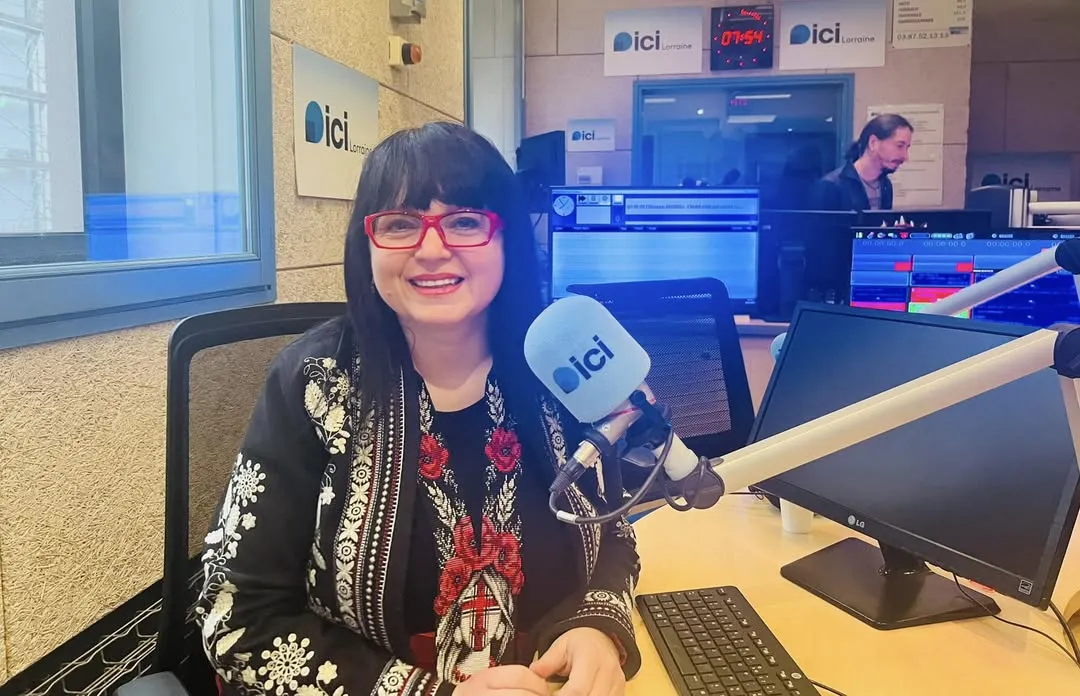
Our Foundation is developing a network-based approach: we focus on helping communities, share information, and facilitate communication regarding the development of new opportunities and the mobilization of resources. From a humanitarian aid perspective, the information and advocacy component was the most important during the 2015–2022 period.
It is worth acknowledging: Russia inherited a capital of goodwill from the Soviet Union. If we look not only at Europe but also at a broader geography—Africa, Asia, or Latin America—we can see that many countries that were part of the Soviet Union’s sphere of influence retain a certain sentiment toward its legacy. For example, in South Africa, the USSR’s role in supporting Nelson Mandela is often mentioned. And Russia has inherited this goodwill.
I have worked in many African countries: Mali, Guinea, Senegal, Côte d’Ivoire, as well as in Haiti (in the Caribbean) and Albania (in the Balkans). I would say that before the “Euromaidan,” Ukraine as a state paid very little attention to geographically distant regions of the world. In Europe, people were just as unaware of Ukraine.
As part of our cultural diplomacy efforts, we are implementing a series of projects called “Undiscovered Ukraine.” They are receiving a strong response. In general, after the “Euromaidan,” the illegal annexation of Crimea, and the “cyborgs” at Donetsk Airport, the creation of a modern mythology of the Ukrainian nation began. And starting in February 2022, a radical shift occurred. The world began to watch our country with fascination.
President Zelenskyy’s image was also embraced globally—he managed to present himself effectively. This reincarnation of leadership resonated, harmonizing with the resilience and transformation of the Ukrainian nation’s strength.
Contemporary Russian Mythology in Europe
Russians position themselves through the prism of Dostoevsky’s literature, Tchaikovsky’s music, or similar figures. In most European countries that support Ukraine, there are still opponents of the “censeling” (social boycott) of Russian culture.
Take France, for example. The Lorraine region, where I have been teaching at a university for over 20 years, is located on the border with Germany and Luxembourg. The local population views current events through the lens of personal history. They say that France and Germany fought for centuries, but during a certain historical period, they were able to lay the foundation for the creation of the European Union. They recall Robert Schuman’s declaration, which was written in the city of Metz and launched European integration.
But this became possible thanks to the Nuremberg Trials. After Hitler, Germany came to terms with all the horrors, underwent a “cleansing,” achieved a mental reckoning, and apologized. After that, dialogue can begin if there are wise leaders on both sides.
That is why we have to explain that Ukraine is not opposed to, in the long run, considering a dialogue with a renewed post-imperial Russia that will not be plagued by chauvinism and will not consider itself superior to other nations. If such a Russia emerges in the future, it will be possible to work with it.
I also have a personal family history. I come from Northern Bukovina, which was part of Romania until 1940. A large Romanian ethnic minority lives in our region. My grandparents endured the Soviet occupation, deportation, and collectivization. My father’s village was completely destroyed by bulldozers, and the people were deported. They were only able to return after Stalin’s death. No one has been held accountable for all these crimes. And unpunished evil returns.
That is why we are conducting educational work. It must be done constantly. Recently, we were visited by Oleksandr Alferov, the director of the Institute of National Remembrance. Representatives of other organizations come to visit. But I am convinced that we need to do more. Like with “Shchedryk.” We constantly emphasize that this is a famous work by the Ukrainian composer Mykola Leontovych. Europeans don’t know this story. But everyone knows about “Great Russia.”
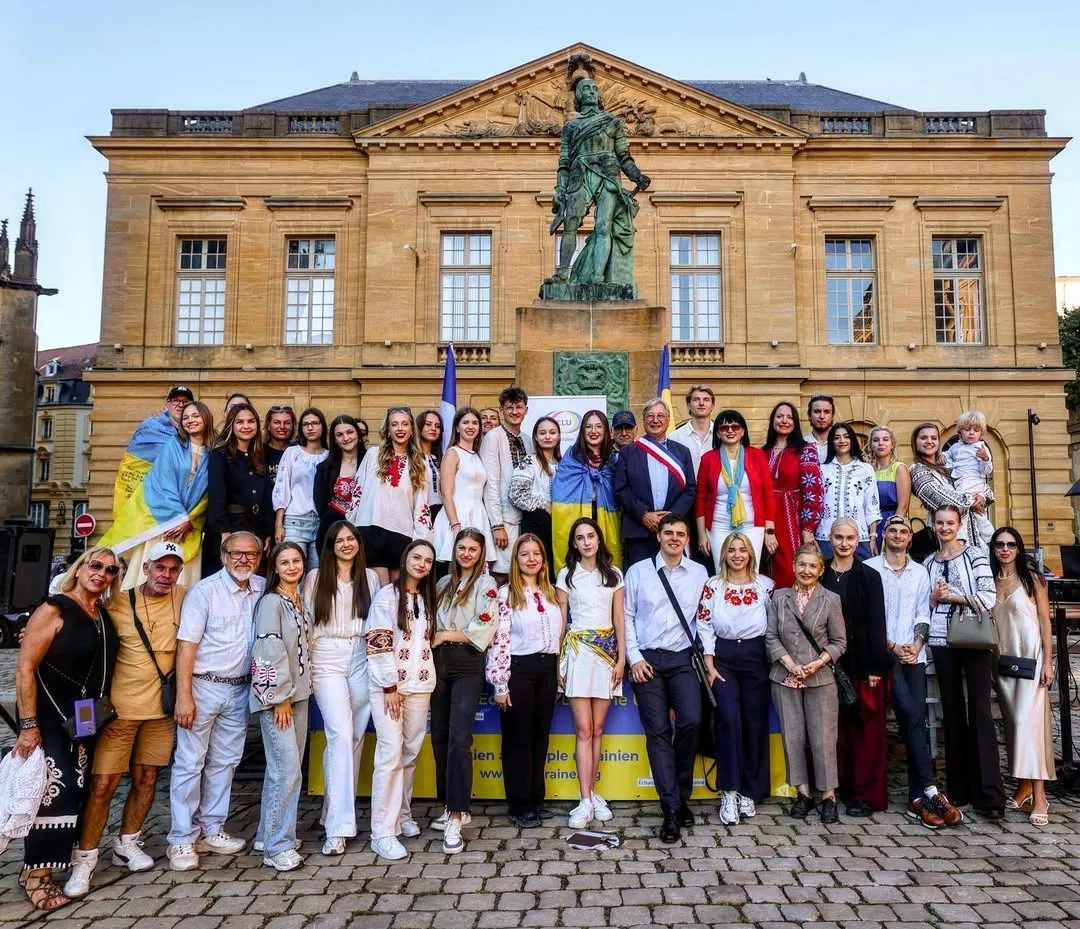
Here’s another example involving students from the Franco-Ukrainian program, which I founded in 2022 at the university where I teach. We have a strong collaboration with local institutions—we accept 30–40 students every year. So, we organized a big event on the fourth Saturday of November, when the victims of the Holodomors in Ukraine are commemorated. We had to light a memorial candle. That’s what Ukrainians do all over the world—the entire large 20-million-strong diaspora remembers the victims of the Holodomors.
We organized an evening of national cuisine, culture, and remembrance for 200 people: there were Ukrainian guests, but mostly French people. We announced a candlelit evening. And then during the event, we began to explain why we had lit the candles. We staged a theatrical performance about the Holodomor: our students showed how NKVD officers came and took away the bread. I explained what was happening at that time. The performance lasted literally 30 minutes, and then there was another cultural program.
The French were most struck by the historical aspect of that evening. Although the students were worried about whether it was worth showing and how foreigners would react. But it was precisely this performance that stunned all the guests. The French wondered why they hadn’t been told about the Bolsheviks’ crimes in their history classes: “We didn’t know about the Holodomor! We went through a full education system! How is it possible to have received a secondary and higher education in France without hearing about the Holodomor?”
International Tribunal for Russia
At the level of the Parliamentary Assembly of the Council of Europe, a decision has already been made to establish an International Tribunal. Of course, as long as the war continues and the Russians haven’t lost it, it’s very difficult to hold them accountable. The question is how this war will end.
I am often invited to various media events in France, where I have to debate with representatives of the military establishment or former ambassadors of the French diplomatic corps. They are very skeptical and do not understand how Russia could lose the war. The French believe that if Russia does not end the war as a defeated country, it will be impossible to prosecute Russians for their crimes. Therefore, we must act very persistently on this issue.
Coordination of Volunteer Movements and Social Capital
As someone who has observed the development of the Ukrainian diaspora over the past 25 years, I can compare different periods of such initiatives. The “Revolution of Dignity” provided the impetus for the creation of new volunteer movements within the Ukrainian community and the emergence of new network formats. It is easier for the younger generation to work on social media. This is reflected in new organizational formats within the civil society sector and volunteer movements.
In my dissertation, I explored how trust is capitalized upon from the perspective of economic and financial value within an organization. I studied the capacity for creation specifically within the context of volunteer movements. This provides an advantage that can compensate for a lack of financial resources. This human capital is collectively drawn from individual competencies and skills. Trust is necessary for diverse individuals and individual competencies to come together as a collective. Therefore, Ukraine still has a great deal of work to do regarding the challenges ahead.
If the country wants to maintain its drive for innovation—so that not only the defense industry but the entire economy makes an innovative breakthrough—it must consider three vectors. These were identified through various specialized studies and rankings. The parameters that determine the capacity for such a breakthrough are: technology, talent, and tolerance. The third parameter surprised me: why tolerance? Because tolerance enables the development of collaboration, builds trust in relationships, and creates Human Capital and Intellectual Capital, which are components of Ukraine’s innovative potential.
A New Format of Democracy
I often explain to Europeans: Ukraine needs the support of its Western partners, but Europe also has much to learn from us. It is also important to reflect on the processes taking place in Ukraine. A research-based approach allows us to understand what is currently happening in Ukraine and why Ukrainian society, de facto, is already living in a format I call distributive democracy.
Western countries moved vertically from 19th-century monarchy to representative democracy in the 20th century. But it still has a certain vertical pyramidal structure. Now these countries are moving toward networked, horizontal forms of democracy. These changes are predictable, since we have been living in the 21st century for 25 years, yet we continue to use the tools and strategies of the past.
For example, Global Ukraine has been helping Ukraine as much as possible since the first weeks of the war. We are currently assisting Ukrainian defense startups seeking opportunities to enter the markets of European countries and NATO. We facilitate all operational aspects to create mechanisms and promote the globalization of Ukrainian companies and brands. All of this is embodied in the name of our Global Ukraine Foundation, which has been active for over 10 years. Perhaps it was somewhat visionary when, in 2015, we began talking about Ukraine in an extraterritorial context: where it doesn’t matter where you live geographically—in Ukraine, Europe, or another country on a different continent. When I speak of the tolerance of Ukrainians, I mean the ability to engage in debate, not to be obedient, but to do what you believe is right. This is what strongly distinguishes Europeans from other cultures. I don’t want to resort to stereotypes right now, but during our classes, we encourage students to take the initiative and ask questions. In contrast, Asian culture does not encourage this, but teaches people to think through a collective framework. Ukraine is right on the cusp of this divide. Everyone takes the initiative and stands up to defend their values. And the fighting spirit grows when you see everyone acting in unison. I observed the protest movement in Belarus in August 2020. At the time, we were helping them from abroad to organize various events, including the “Path to Freedom” solidarity campaign, which took place in cities around the world. I was struck by how closely Belarusians communicated with one another, even on social media. Even when there were obvious reasons for criticism, they would say: “Not now. Let’s achieve our goal, then we’ll return to this issue.” [blockquote_with_author name="I think it’s important that Ukraine understands where the enemy is. But the problem is that the enemy is both external and internal, linked to corruption. And this should not be tolerated. This is precisely the complexity of transformational change.
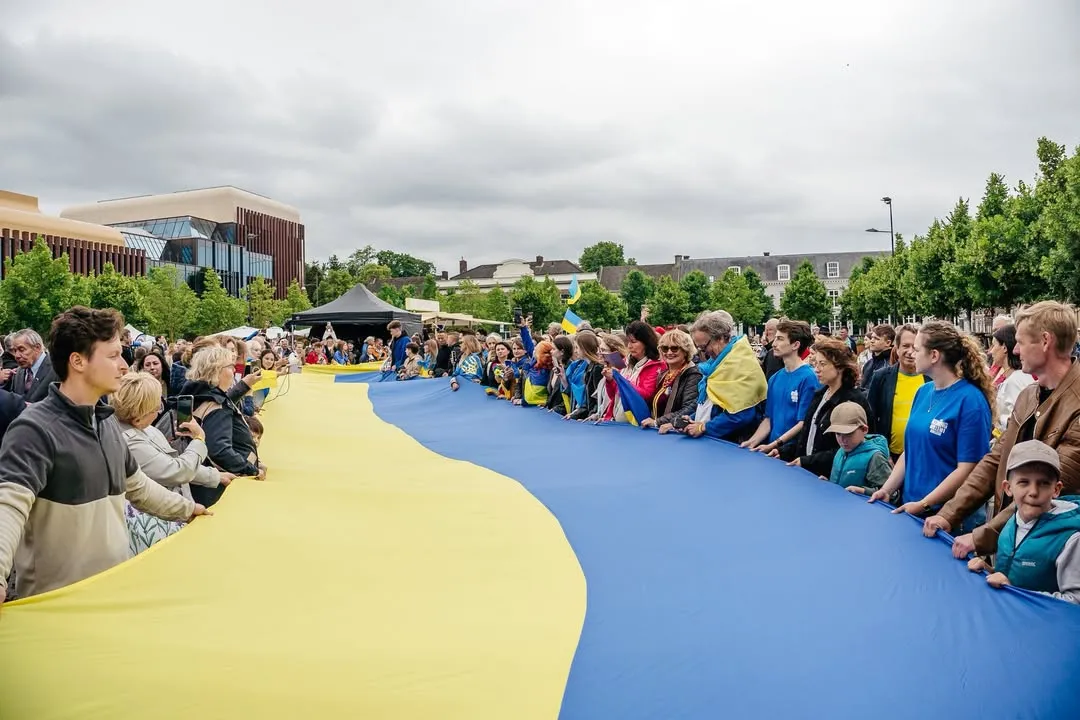
Ukrainians’ tolerance as a driver of change
There is probably another positive aspect. Because of the war, many Ukrainians have left and are living in European countries, but most want to return, since their families, homes, and native land remain back home. Yet after living abroad, they will no longer be the same as before.
The experience of living in European countries for more than four years since the invasion changes their mindset, approach, and perception. People see how government institutions and officials treat them, for example, in France. And they will no longer accept being treated as second-class citizens back home. This inspires cautious optimism about the future.
On the clash between democracy and authoritarianism
The defense component, of course, is a priority right now. Europe understands: democracy is possible if you are respected and taken seriously. This explains the increase in defense spending both by individual countries and at the pan-European level.
It is impossible to ignore the current surge in authoritarianism. The world is watching events in Russia, the United States, and China with concern. Some may feel a sense of hopelessness, as if they’ve given up. It seems as though democracy has run its course. But I would say otherwise.
The European continent remains the only oasis of hope in the 21st century. Ukraine is already de facto part of it. There can be no doubt about that. Whether the European Union will eventually be renewed or reformed is another question. Institutions can also change and reform to remain relevant in the spirit of their time. But for me, Europe is the only oasis of such geopolitical light.
The topic is important and tied to the issue of trust: restoring trust between politicians and European societies. One could argue that countries are politically diverse. Recently, we were concerned about Hungary and Romania. Observers warned that we are moving toward authoritarian states and must prepare for this. I believe we must fight this and analyze the causes. After all, there has been a turning point in terms of trust between societies and politicians.
In my opinion, 20th-century representative democracy is already on the brink of extinction and bears responsibility for the fact that radical left-wing and radical right-wing shifts are occurring so rapidly in various countries.
How to restore trust in political processes
To restore this trust, we must bring political decision-making closer to society. That is, act solely through a horizontal, networked decision-making format. We need more transparency and participatory democracy with real mechanisms for referendums. Incidentally, Zelenskyy’s team voiced this idea when they came to power. Other leaders spoke about it as well: Emmanuel Macron in France, Barack Obama in the U.S. They all spoke, but no one began to truly implement it.
That is why we have witnessed the devaluation of these concepts. Perhaps because they were promoted more on the instructions of political strategists than out of a deep understanding of their importance. This does not mean that we should completely abandon these ideas.
I am talking about a research-based approach that envisions how organizational forms must change. Society cannot survive for long with the old formats. This explains, in particular, why voter turnout in the recent local elections in France barely reached 54%. This is a serious challenge—nearly half of voters do not vote because they do not believe in their own influence. And that is not good. It creates space for radically dangerous right-wing or left-wing movements. But that is a separate issue for discussion.


