
Sharpeville massacre survivors challenge indemnity law
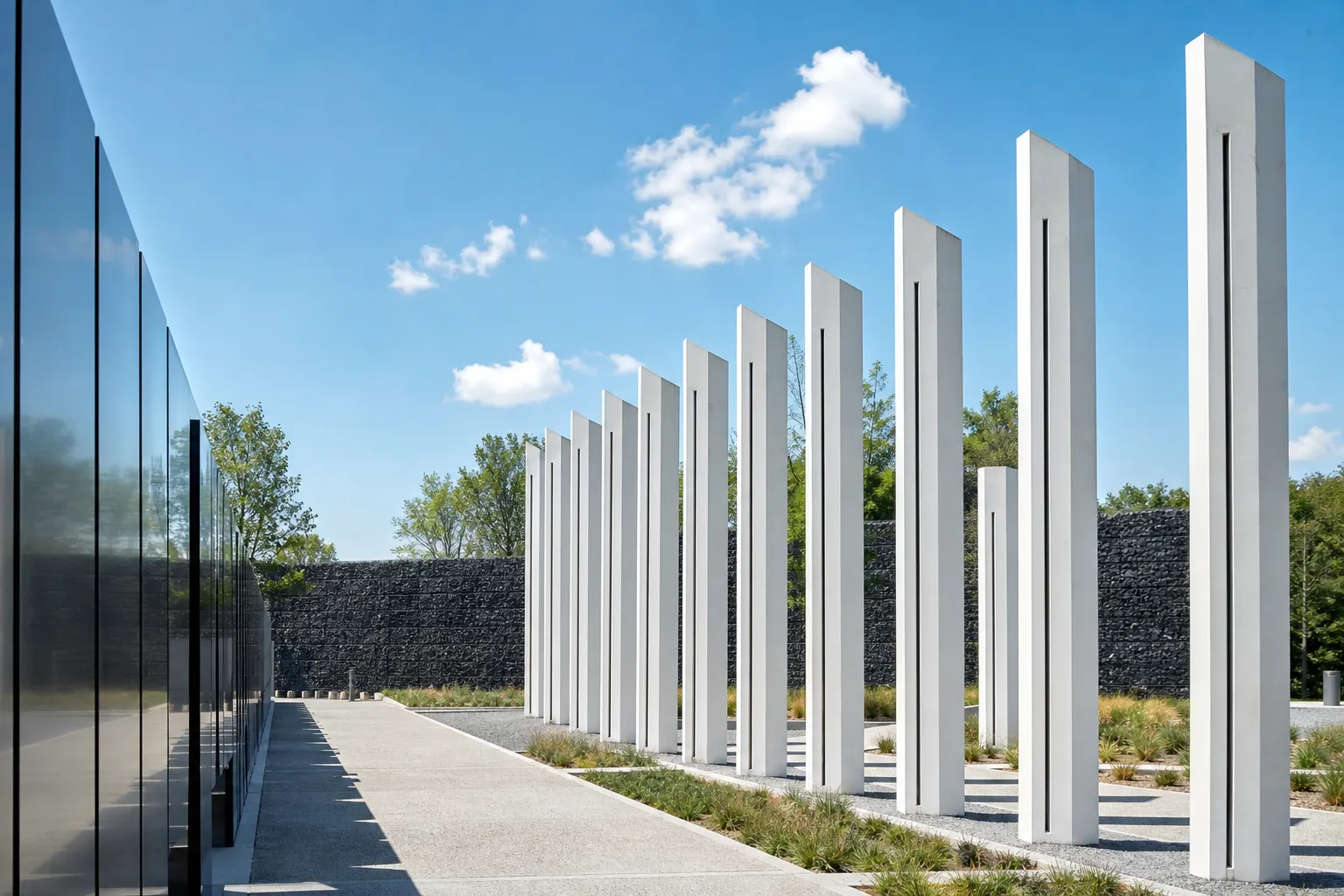
Survivors of the 1960 shooting of a peaceful demonstration in Sharpeville and relatives of those killed have filed a case with South Africa's High Court. They seek to have the 1961 Indemnity Act, which protected the police and apartheid government from criminal and civil liability for the events of that day, declared unconstitutional, BBC News reports.
On March 21, 1960, police opened fire on thousands of participants in a protest against racist pass laws in Sharpeville, south of Johannesburg. At least 69 demonstrators were killed and more than 200 were injured. Recent estimates by South African researchers suggest that the death toll may have reached 91 people.
Lawsuit against an apartheid-era law
The case was filed by the South African human rights organization Lawyers for Human Rights and the British law firm Leigh Day. The applicants argue that the 1961 law contradicts the country's constitution, which came into force in 1994.
As part of the case, they are also asking the court to allow a class action lawsuit. If approved, dozens of victims and relatives of those killed will be able to jointly seek compensation from the state. Lawyer Charne Tracey said that about 70 people could join the class action. According to her, the Sharpeville community seeks not only individual payments but also redress that will promote healing and improve the quality of life of those affected.
More current news is available on the UA.News Telegram channel Telegram.
If the court grants the application, the case could also potentially open the way for criminal charges against those allegedly involved in the shooting, if any of them are still alive. After the tragedy, the only court case was an unsuccessful attempt to bring charges against the protesters themselves.
Remembering the shooting
Abraham Mofokeng, 86, who took part in the protest at the age of 20, is involved in the legal case. A bullet remains in his spine, while a leg injury caused him to limp. Another survivor, 90-year-old Lazarus Magotsi, said he saw police officers shooting at people who were trying to get up from the ground. More than 1,300 bullets were estimated to have been fired into the crowd.
The Truth and Reconciliation Commission, established by Nelson Mandela's government to investigate crimes from the apartheid period, did not secure justice for some victims. No police officer applied for amnesty in connection with the Sharpeville shooting. The South African government told the BBC that it had supported apartheid victims for many years and did not object to victims and their families using legal remedies.
The Justice Ministry said that 560 victims of apartheid-era violence recognized by the Commission had received individual payments totaling about $31 million. The ministry urged Sharpeville survivors and relatives of those killed who have not yet been identified to come forward.


