
Items bearing Nazi symbols are being sold online in Australia
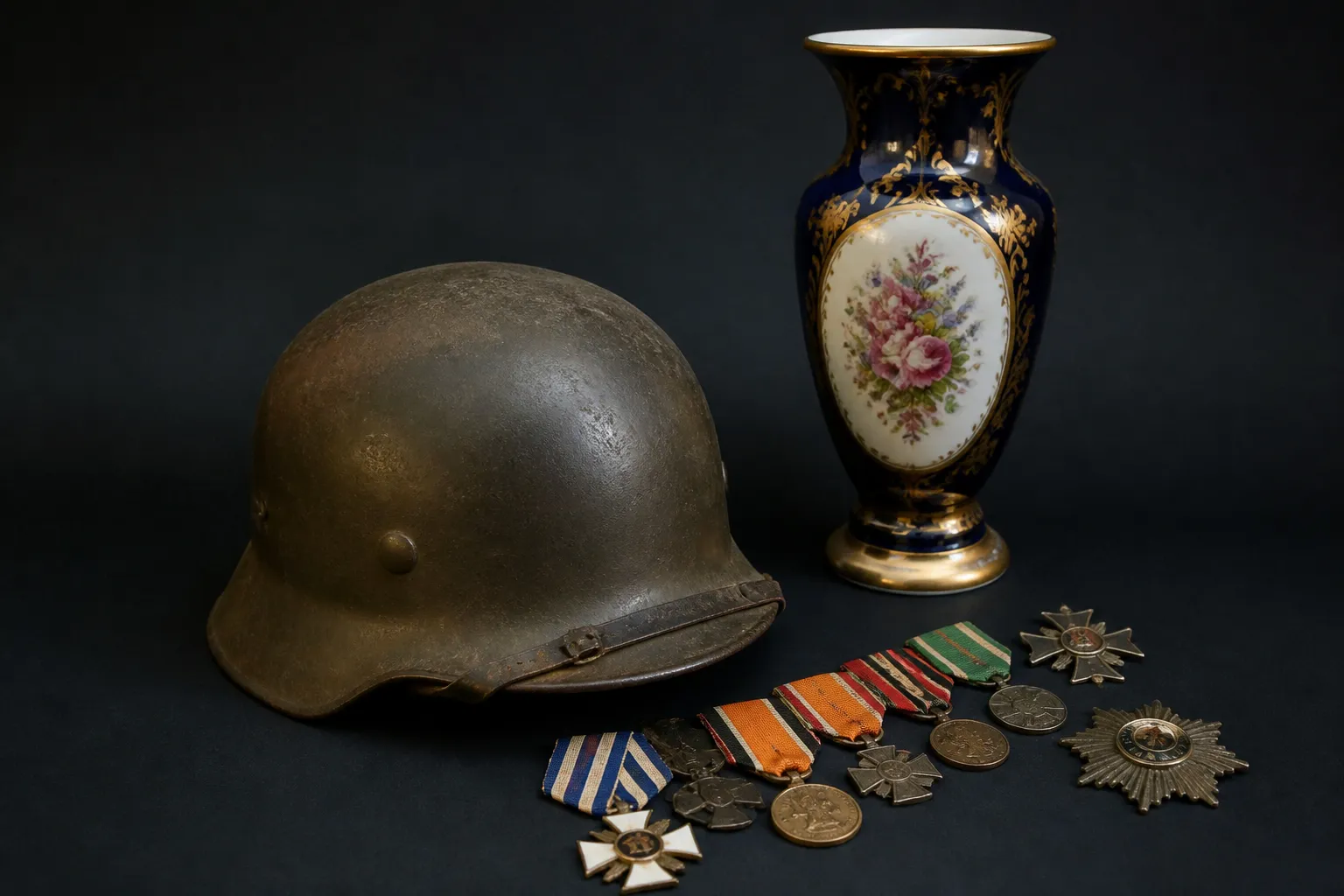
Australian sellers of military antiques are offering items from the Nazi era featuring banned symbols online, even though the Australian federal government banned their display and sale in 2023. The sellers claim they are selling these items for educational or research purposes, according to The Guardian.
The law prohibits the display and sale of items bearing the Nazi swastika and the double sig-rune—the symbol of the SS. However, the legislation provides exceptions for religious, academic, educational, artistic, literary, or scientific purposes.
Journalists from the publication found listings for German military items from the Nazi era, including helmets, badges, medals, officers’ caps, and flags. The Kurt Coleman Military Antiques website, registered in the Sunshine Coast region of Queensland, featured 25 pages of Nazi-era items this week. These included military booklets, badges, decorations, rings, officers’ uniforms, caps, and weapons bearing visible Nazi symbols.
Among the most expensive lots were a porcelain vase with a relief of a Nazi eagle for 2,500 Australian dollars, a 2-by-3.5-meter battle flag from a Nazi warship for 2,000 Australian dollars, and a “Hitler Youth” knife for 1,820 Australian dollars. The website noted that the items are offered solely for educational purposes as historical artifacts.
For more breaking news, follow the UA.News Telegram channel.
Another seller, Henry’s Military Collectibles from Western Australia, listed for sale, among other items, military merit crosses, belt buckles, and a Luftschutz civilian air-raid helmet. In the product images, the prohibited symbols appear to have been covered up. The company’s owner, Henry Fijolek, stated that he is acting within the law, does not display prohibited symbols, and sells the items for purposes permitted by law.
The Australian Federal Police reported that it had contacted several auction houses regarding the sale and public display of items bearing prohibited symbols. However, the agency did not disclose details of the ongoing inspections and investigations.
Romain Fati, a historian at the Australian National University, emphasized that military artifacts are not neutral: their significance depends on who possesses them and for what purpose. According to him, in museums, such items can serve as historical evidence; however, collecting them out of a fascination with war or violence is dangerous.


