
Australia fears feral pigs could complicate bird flu containment
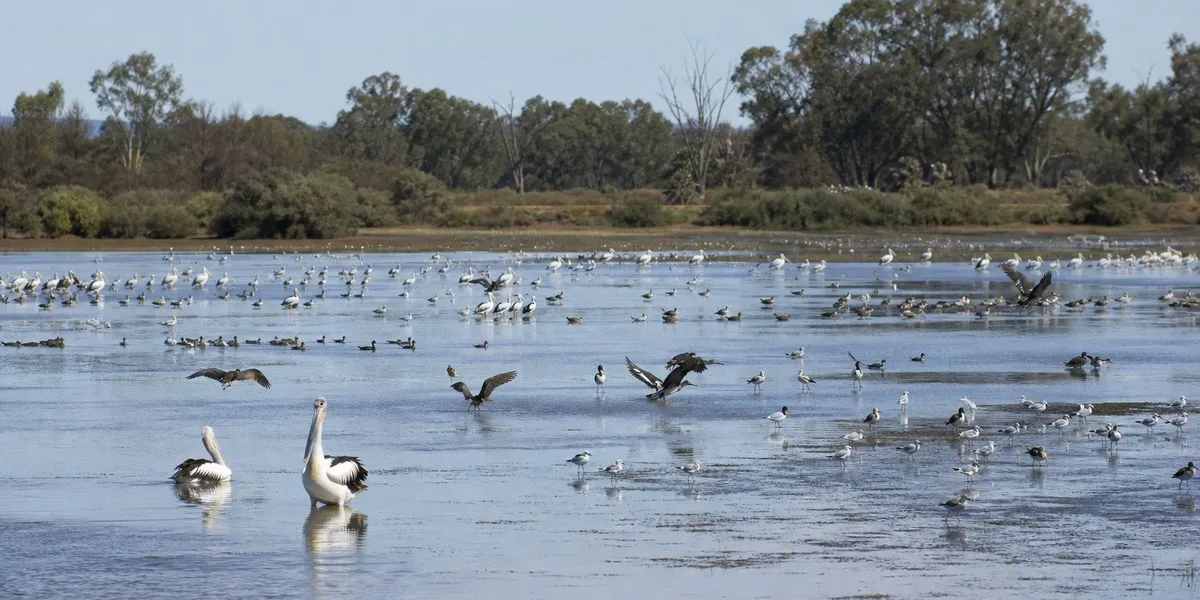
Landholders near the Macquarie Marshes wetlands in New South Wales, Australia, fear that a large feral pig population could complicate efforts to contain a possible outbreak of H5 avian influenza. No cases of the infection have so far been recorded in the wetlands themselves, located near the town of Warren, ABC News Australia reports.
The Macquarie Marshes are internationally recognized wetlands and a habitat for tens of thousands of waterbirds, including endangered species. David Duncan of the Macquarie Wetlands Association said that an H5 outbreak among a large number of different bird species could have particularly severe consequences. According to him, the feral pig population in the area has increased after several favorable seasons following the 2017–2020 drought.
Risks for waterbirds
Duncan described pigs, as well as feral cats and foxes, as factors in an existing threat to biosecurity and local fauna. In his view, these animals could be potential carriers of the virus. Controlling the pig population requires ongoing coordinated action across the area, he said, as the animals are capable of traveling considerable distances between several farms.
More current news is available on the UA.News Telegram channel Telegram.
University of New South Wales conservation biologist Richard Kingsford noted that waterbirds are particularly vulnerable to the virus because they gather in large groups in wetlands. According to him, the virus can spread through contact, droppings and scavenger birds. The risk could increase if inland wetlands dry out and birds become concentrated in fewer locations.
Advice for landholders
New South Wales authorities reported new H5 cases in Woy Woy on the Central Coast and Bulli in the Illawarra region, bringing the total number of cases in the state to 32. No cases have been detected in the state's inland areas. A state government representative also said that no H5 infection or disease in cattle herds has been reported anywhere in the world.
Landholders are advised, where possible, not to graze livestock in areas with large concentrations of waterbirds, especially where sick or dead birds are present. At the same time, landholder Kate Milner noted that following this recommendation is difficult in practice because livestock need water and birds concentrate along the river and in the marshes. Authorities also urged people not to touch sick or dead birds, to report them to the relevant services, and to keep working and pet dogs away from wild birds and carcasses.


