
No trace yet in Australia of any of 14,000 tagged bogong moths
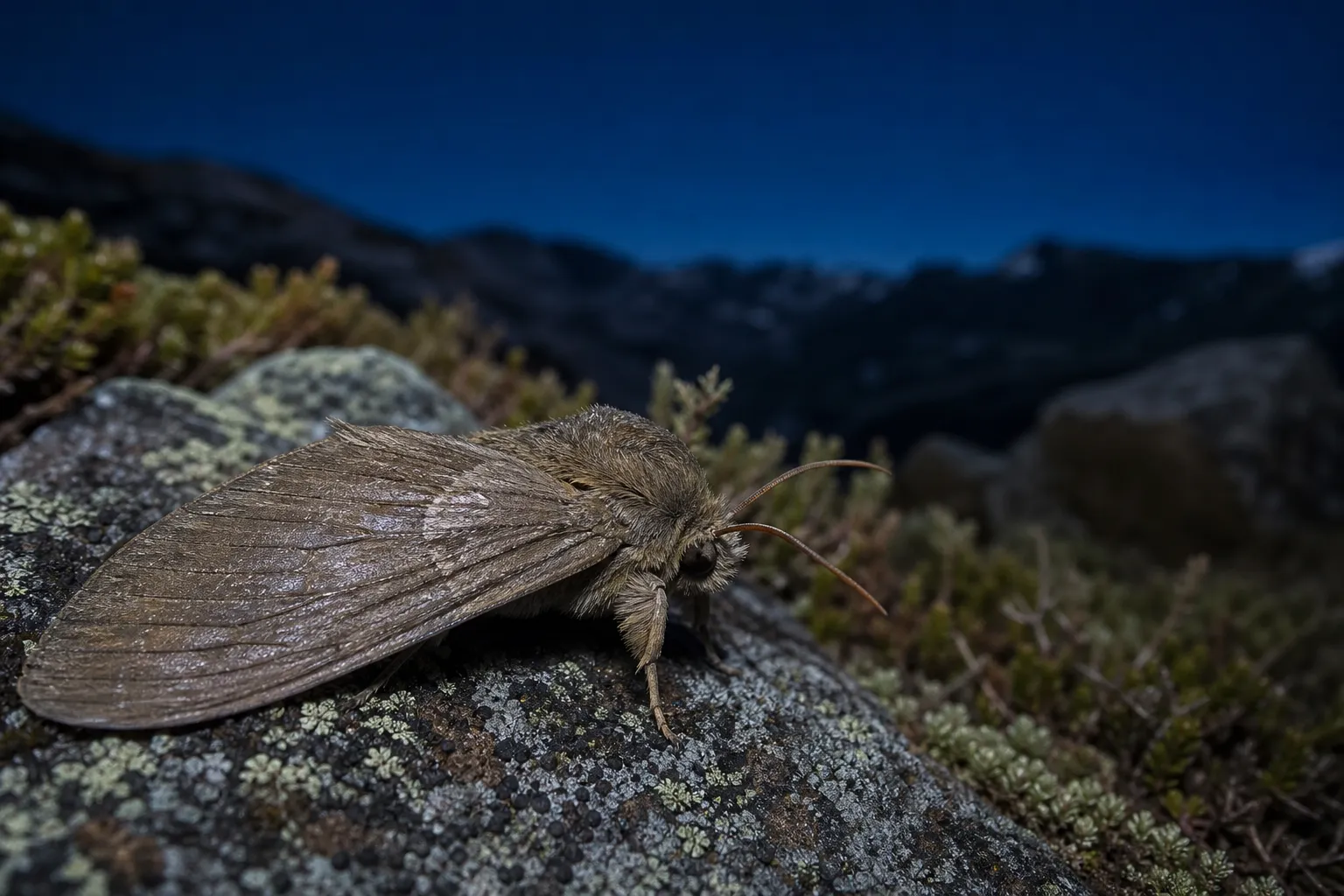
In Australia, scientists have not yet found any of the more than 14,000 bogong moths that were tagged in February in caves on Mount Kosciuszko to track their migration. Researchers from Western Sydney University and Invertebrates Australia placed 50 light traps in the Snowy Mountains of New South Wales, but found no tagged insects in them, ABC News Australia reports.
Every year, billions of bogong moths migrate to the Snowy Mountains to escape the summer heat. In autumn, they leave the cool caves and travel thousands of kilometres to inland areas of the country, where they breed. The route of this flight remains unknown.
The absence of tags may indicate a larger population
Invertebrates Australia entomologist Eleanor Drinkwater noted that the absence of tagged insects in the traps may be a positive sign. According to her, the likelihood of seeing a tagged individual depends on the overall population size, so this may mean there are more bogong moths than researchers believed. Another possible explanation is that the insects chose a different route.
More current news is available on the UA.News Telegram channel Telegram.
The bogong moths were tagged with drops of non-toxic paint or briefly anaesthetised with carbon dioxide. Small paper tags were then attached to their wings using false-eyelash glue.
Online observations will be used for the study
The number of bogong moths in southeastern Australia has declined sharply in recent years. In 2017, the population fell by 99.5% due to drought and climate change, and in 2021 the species was listed as threatened with extinction.
At the same time, more than 2,700 observations of untagged bogong moths were recorded on the citizen science platform iNaturalist over the past 12 months, compared with just over 1,000 in the previous year. Researchers will use these data to create heat maps of the moths' appearance in the alpine landscape and compare them with weather conditions. Photos from iNaturalist will also be used to train an artificial intelligence model that will detect insects in video footage from mountain cameras. Next year, the team hopes to increase the number of light traps to 150.


