
Austria analyzes 500 ancient iron bars from the Danube — Live Science
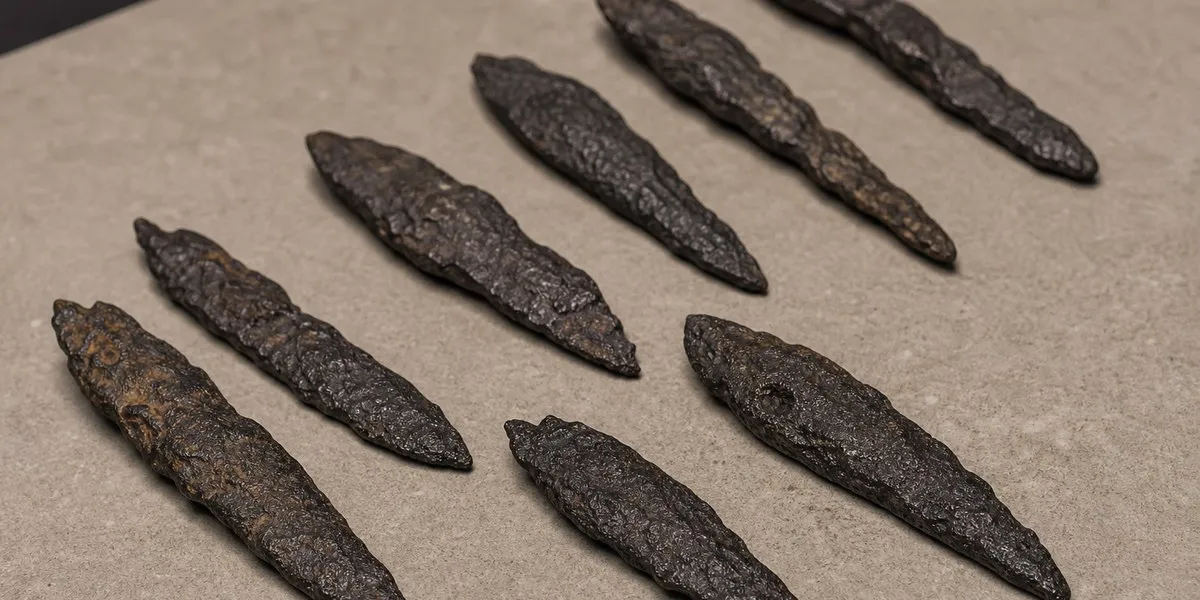
Archaeologists in Austria have examined a collection of at least 500 iron bars found in the Danube near the village of Deinham. The metal blanks date to the 3rd–2nd centuries BC. They were likely lost during a ship accident about 2,200 years ago, Live Science reports.
Discovery during gravel extraction
The objects were noticed in 2019 by workers extracting gravel from the river. They saw several unusual double-pointed iron items and reported them to Austria’s heritage protection authority.
Peter Trebsche of the University of Innsbruck and Marion Berranger of the University of Technology of Belfort-Montbéliard in France analyzed fragments recovered from gravel heaps. They identified 193 intact bars and 307 partially preserved ones — at least 500 items in total.
Blanks for forging
The intact bars averaged 28.5 centimeters in length and weighed about 2 kilograms each. The collection had a total weight of approximately one tonne. They were not finished products, but double-pointed semi-finished blanks that blacksmiths could further process into other items.
More current news is available on the UA.News Telegram channel Telegram.
According to Trebsche’s estimate, this amount of iron could have been used to make about 500 swords or up to 8,000 iron nails. The archaeologist called the discovery Europe’s largest mass find of prehistoric iron bars.
The cargo’s origin is still being determined
Gravel extraction with an excavator destroyed the original archaeological context, so researchers cannot establish exactly how the metal ended up in the Danube. The study’s authors do not rule out a ritual deposit, but note that similar river finds are often linked to losses during transportation.
Similar bars were previously found in Manching, Germany, about 200 kilometers from Deinham. Researchers consider it possible that the cargo was produced in Bavaria and are now analyzing traces of chemical elements in the metal to clarify its geographical origin.


