
More schoolchildren in Estonia are afraid to go to school — ERR News
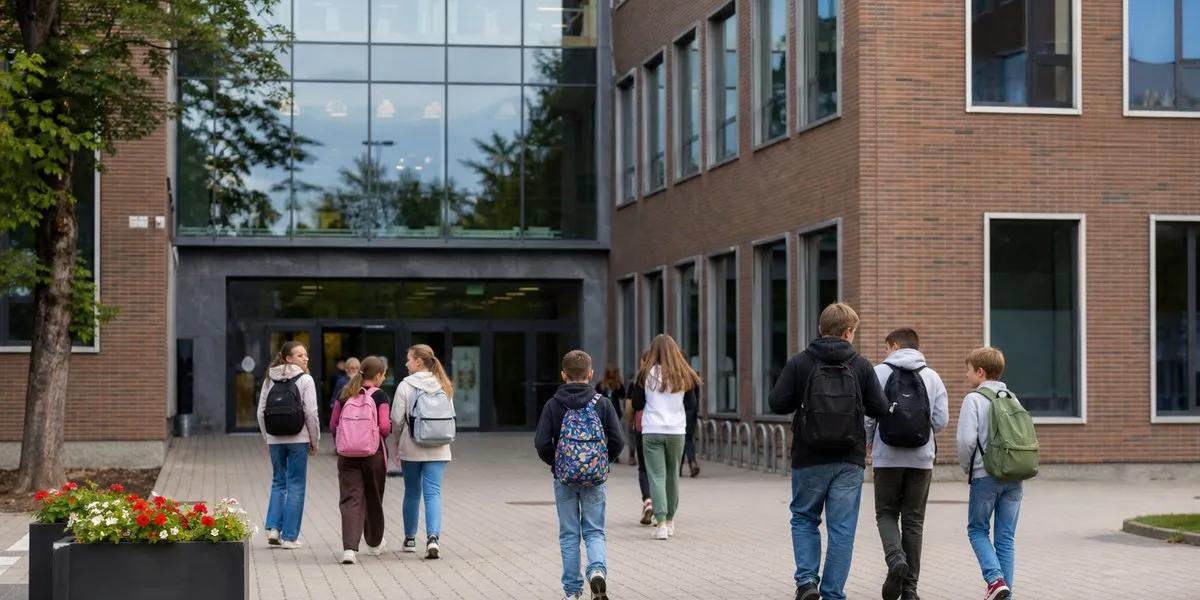
In recent years, the number of students in Estonia for whom attending school is an extremely anxiety-inducing or unpleasant experience has been growing. During the school year, parents contacted the Rajaleidja support network more than 400 times over this issue, although no nationwide statistics on cases of school avoidance are kept in the country, ERR News reports.
Liina Ansberg, the learning support coordinator at Tartu Tamme School, said that over the past five years, the number of such students in her observations has risen from one to ten. According to her, more and more children feel they cannot complete tasks well enough, while social media intensify pressure through the notion that one must be flawless in everything.
Bullying and anxiety named among the causes
Experts named bullying, worsening mental health problems, growing anxiety in society, and a declining willingness to make an effort among the possible causes of school avoidance. Jürgen Rakaselg, head of inclusive education at Estonia's Ministry of Education, noted that loss of motivation and low energy levels may be characteristic of mood disorders. Under such circumstances, learning may seem meaningless to a child.
More current news is available on the UA.News Telegram channel Telegram.
One mother from Tartu County said that her child, in the third grade, did not directly say they did not want to go to school, but often complained of headaches or feeling unwell. The family linked this to relationships with other students and adults at school. Help from specialists and a transfer to another educational institution that was able to find an appropriate approach changed the situation.
Schools lack opportunities for individual support
At Peetri School in Tartu, which offers home-based learning, 166 students are currently enrolled. Program director Irja Toots said that about one-third of children are in a critical situation at the time of enrollment, and their parents have no other options. The school cannot accept more students, although it has a waiting list.
Toots and Ansberg said that some schools lack specialists and premises for teaching in small groups or providing individual lessons. At Tamme School, children are gradually returned to the school environment: among other measures, they may be allowed to come to the building at a different time, and lessons are also held at the Tamme Library. Rakaselg added that opportunities for assistance exist, but not all schools use them.




