
Estonia proposes creating a unified support system for people with dementia
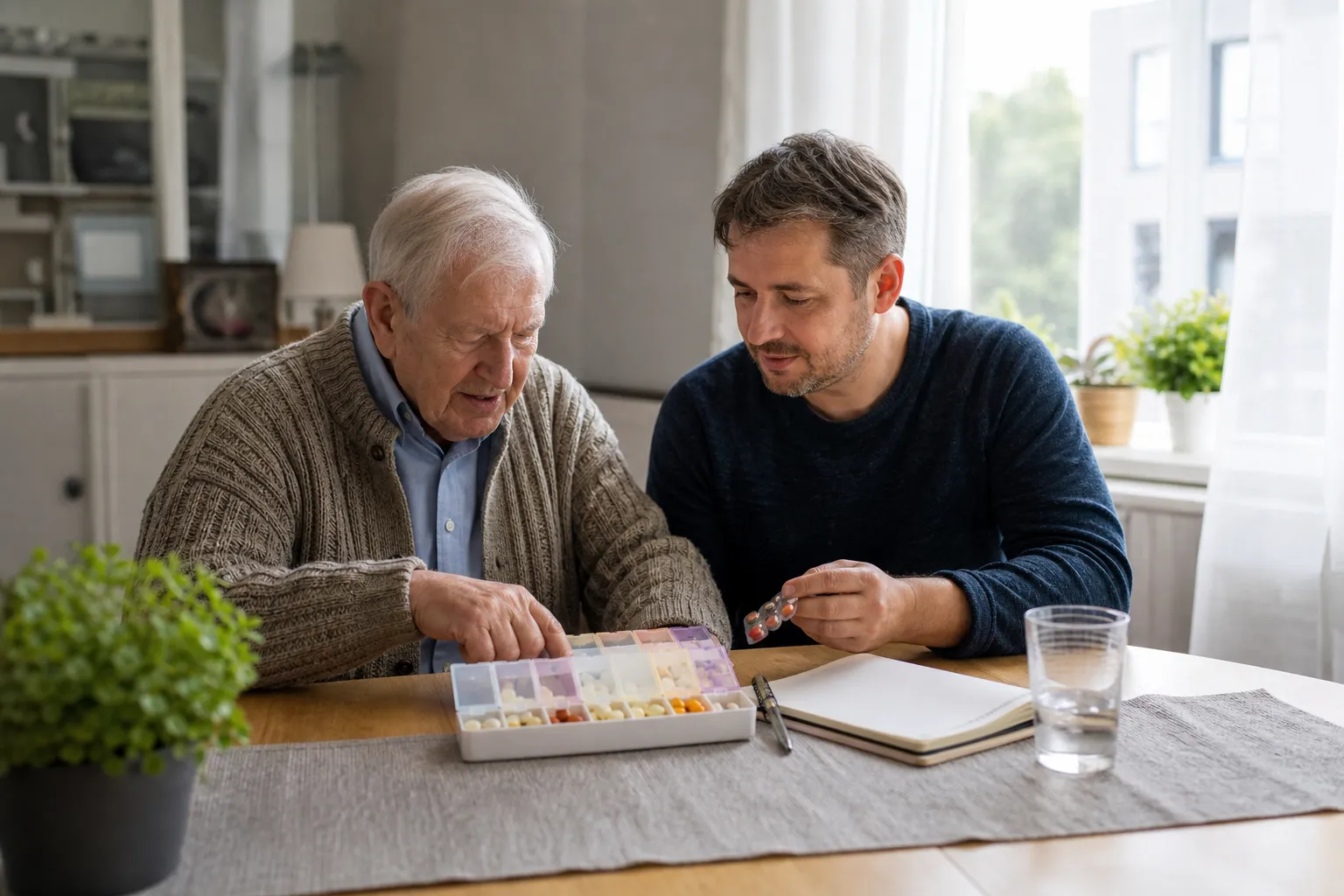
A study in Estonia has recommended creating a unified support system for people with dementia and their loved ones so that families do not have to contact several different institutions on their own. Nearly 27,000 people with dementia currently live in the country, ERR News reports.
Burden on families
Hanna-Stiina Hainmets, a consultant at the Dementia Competence Centre, said that loved ones of people with memory impairments need respite care services most of all. According to her, many relatives both work and care for a person with dementia at the same time, effectively combining two full-time jobs.
She stressed that such families need the opportunity to hand over care to another person for several days. At the same time, in many municipalities, home assistance is limited to delivering food or bringing firewood into the home.
Unequal access to services
If a person with dementia needs, among other things, help taking medication, they are often advised to move to a care facility, although they could continue living at home. According to Hainmets, such facilities are reluctant to admit people with severe dementia, and some of them have effectively been expelled from five or six institutions.
More current news is available on the UA.News Telegram channel Telegram.
Praxis analyst Jane Ester said that access to support largely depends on the place of residence. Larger settlements have day centres and a wider range of services, while the most difficult situation is in sparsely populated and remote areas.
Reform plans
In Ester's view, every family affected by dementia should be assigned a responsible coordinator. This person should contact loved ones independently, regularly assess their needs and help find the necessary services.
Estonia's Ministry of Social Affairs expects that the planned healthcare and social sector reform will partly improve the situation. In two years, with EU funding support, the ministry expects to begin testing solutions that will allow people with dementia to live at home for longer. For now, people can seek assistance from the Dementia Competence Centre and its information line.


