
Experts in Nigeria urged African governments to put policies into practice
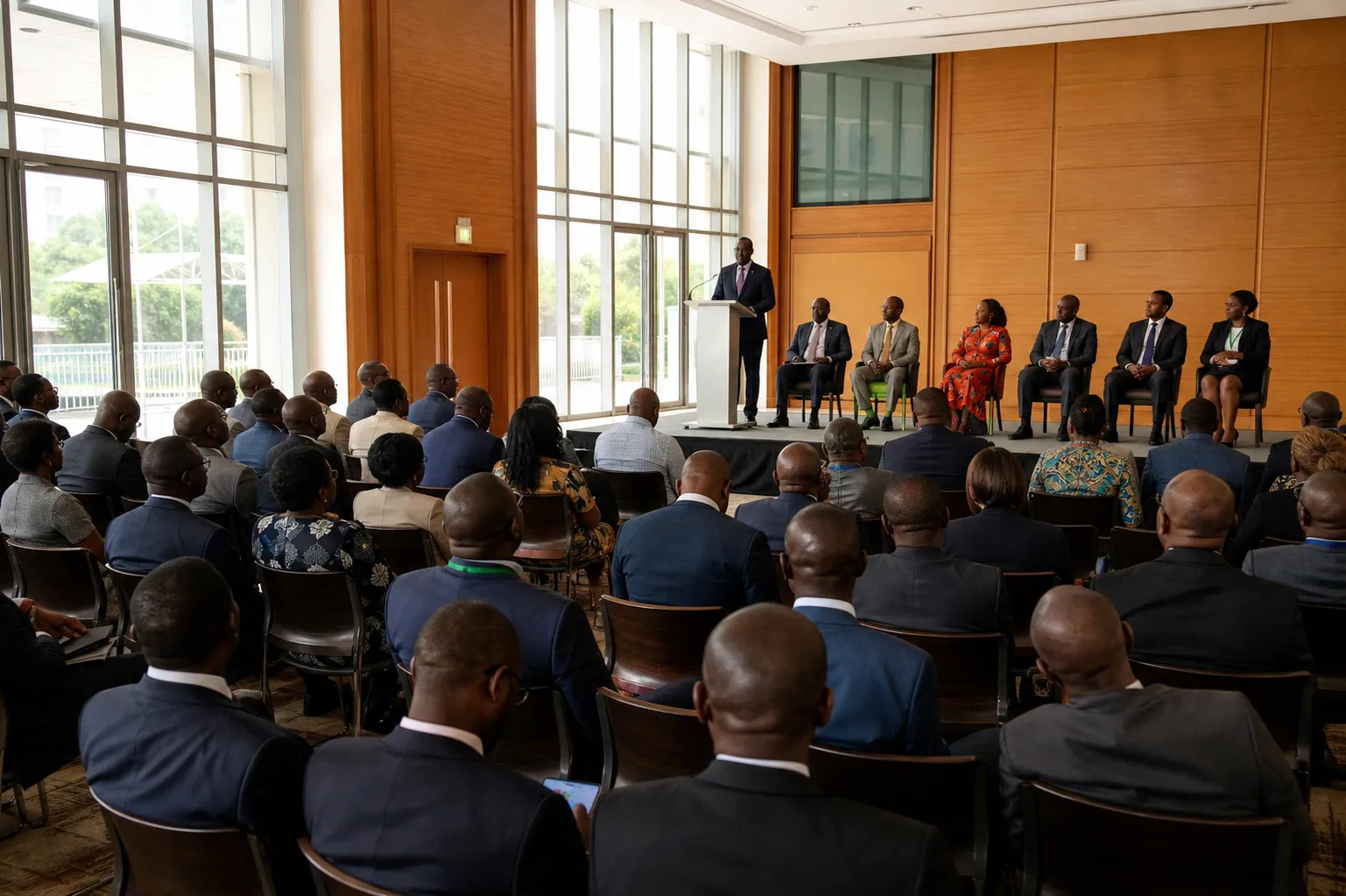
In Abuja, Nigeria, participants in the 2026 Gender and Inclusion Summit called on African governments to narrow the gap between adopted policies and their real-life impact on people. This primarily concerns healthcare, education and economic inclusion. Premium Times Nigeria reports.
Patrick Achi, former Prime Minister of Côte d’Ivoire and President of the country’s National Assembly, delivered the keynote address at the event. According to him, access to infrastructure and social services cannot be the ultimate goal of development if it does not help people learn, work, earn an income and receive the services they need.
Achi explained that a place at school should enable people to get an education, vocational training should lead to employment, a rural road should help increase incomes, and health insurance should ensure effective care.
Access to services and productivity
According to Achi, infrastructure fulfils its purpose only when it reaches the people for whom it was created. In particular, a road is valuable when it enables farmers to reach markets, children to get to schools, and workers to reach jobs. Likewise, an electricity grid has economic value only if it covers households, farms and businesses.
He cited data for Côte d’Ivoire: access to electricity, he said, increased from 74% in 2011 to 99% in 2025. The poverty rate fell from 55% in 2011 to 37% in 2021. By 2025, more than 20 million people, or about 60% of the country’s population, had been registered in the universal health coverage system. At the same time, Achi warned that expanding coverage alone is insufficient if people cannot receive effective services.
More current news is available on the UA.News Telegram channel Telegram.
Jobs and inclusion
In Achi’s view, given Africa’s population growth, productive employment and incomes are key conditions for sustainable inclusion. He stated that aid, charity and social benefits alone cannot meet the continent’s development needs, so governments must invest in sectors that create prosperity and jobs, while ensuring the participation of women, young people and rural communities in the productive economy.
Achi also noted that Africa has about 18% of the world’s population but accounts for approximately 3% of global GDP and trade, as well as about 2% of global manufacturing value added. According to the estimates he cited, around 89% of children in sub-Saharan African countries are in learning poverty, while the region has approximately 88 researchers per million inhabitants.
Udeme Ufot, chairman of the Centre for Policy Innovation, described the “last mile” as not only a geographical distance but also a gap between policy and people’s everyday experiences. Olaniyi Yusuf, chairman of the Nigerian Economic Summit Group, called on governments, development partners, businesses, civil society organisations and communities to move from discussing initiatives to implementing them.
The fifth Gender and Inclusion Summit was held in Abuja on September 7–9 under the theme “From Agenda to Action: Making Innovation Work at the Last Mile.”


