
In Islamabad, two bodies demand property tax from G-13 and G-14 residents — Dawn
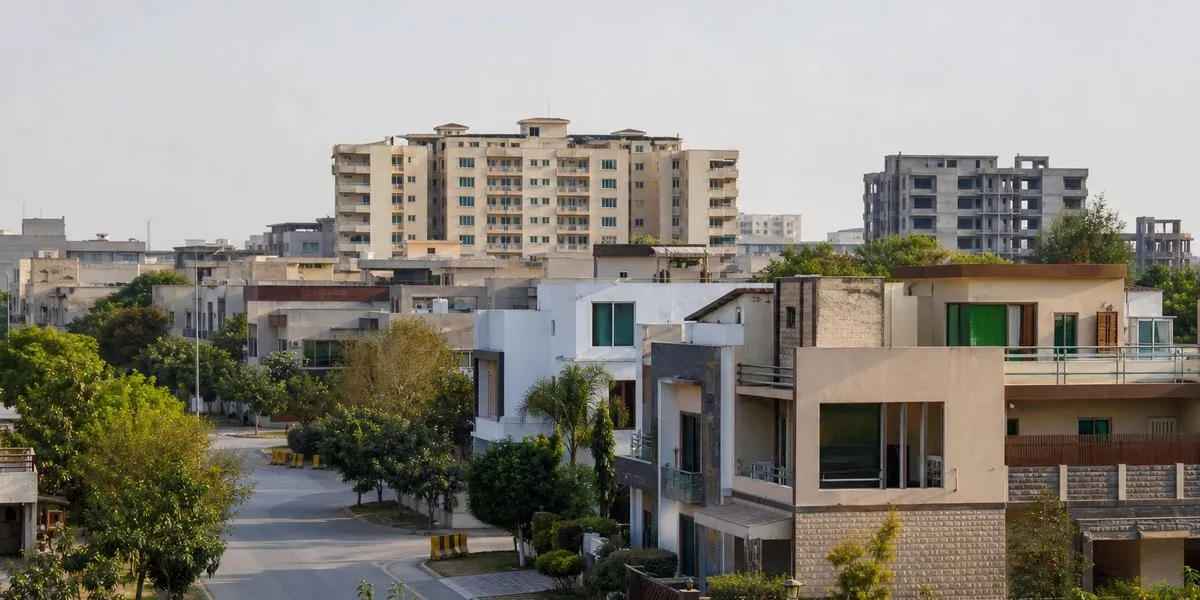
In Pakistan’s capital, Islamabad, residents of sectors G-13 and G-14 are receiving demands to pay property tax from two state bodies at once — the Federal Government Employees Housing Authority (FGEHA) and the Metropolitan Corporation Islamabad (MCI). Residents say this has caused confusion over which body they should transfer the funds to.
As Dawn reports, several residents provided copies of tax notices issued by both institutions. Former ambassador Javed Hafiz, who has lived in the area since 2010, called the parallel demands avoidable duplication and evidence of a lack of coordination between state bodies.
Dispute over authority
The G-13 and G-14 sectors were developed about two decades ago by the then Federal Government Employees Housing Foundation. In 2020, the foundation received authority status and began collecting property tax from residents.
According to residents, the tax had previously been collected by the Capital Development Authority (CDA), after which a dispute arose between the CDA and FGEHA. They also claim that the Islamabad High Court and the federal ombudsman expressed the position that FGEHA may collect the tax because it performs municipal functions in these sectors. For the past six years, residents have been paying the tax to FGEHA.
More current news is available on the UA.News Telegram channel Telegram.
Positions of the two bodies
FGEHA representative Faiz Umer Sial said that both sectors belong to the authority, which provides municipal services there and should therefore collect taxes. He confirmed that legal proceedings on the matter are ongoing.
CDA/MCI Director of Revenue Kashif Niaz, for his part, said that the Local Government Act grants MCI the authority to collect property tax. According to him, the provision of services is unrelated to the collection of this tax, as separate charges are provided for services. Niaz added that, to his knowledge, the federal ombudsman’s office allowed residents to choose whether to pay the tax to MCI or FGEHA.
Some residents complain about the insufficient level of FGEHA services, including water shortages, and oppose double collection. They also speak of fatigue from appealing to state institutions and courts to resolve the dispute.




