
Israel hosts seminar for emergency services from Latin America and Spain — Jerusalem Post
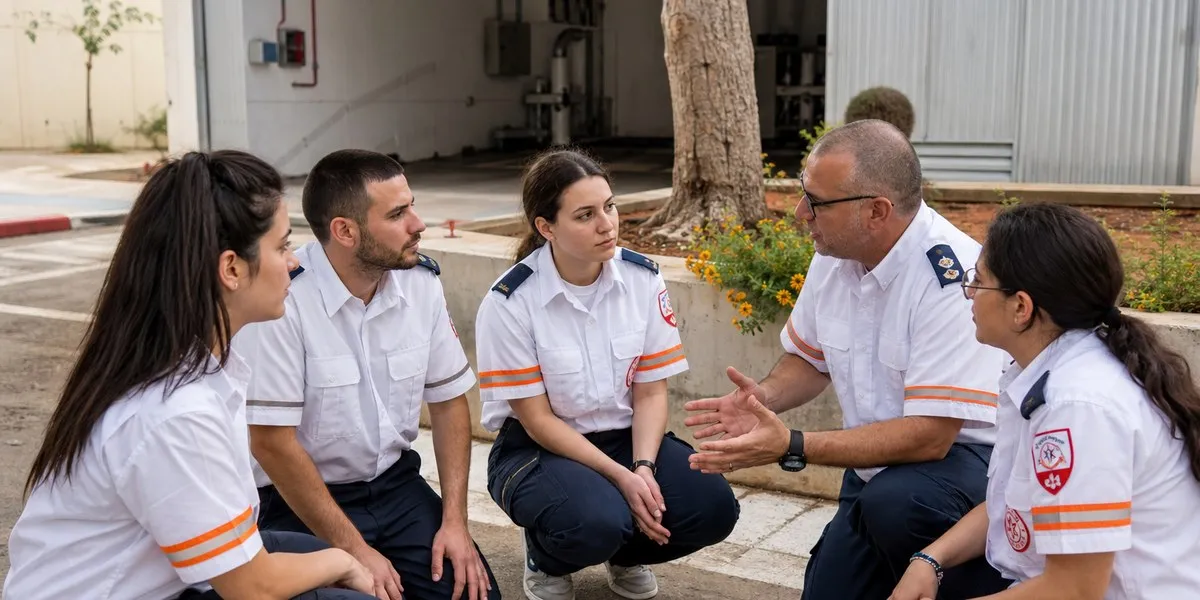
In Israel, a delegation of 21 heads and managers of emergency medical services from Latin American countries and Spain took part in a professional seminar organized by Magen David Adom. The participants visited the organization’s national headquarters in Ramla, the south of the country and a Magen David Adom station in Jerusalem, the Jerusalem Post reports.
The delegation included representatives of Spain, Mexico, Panama, Peru, Argentina, the Dominican Republic, Bolivia, Chile and Honduras. The trip was organized by Israel’s Ministry of Foreign Affairs and Magen David Adom as part of Project 545. Its purpose was to exchange experience in emergency medicine and strengthen professional ties with foreign response services.
Dispatch center operations and medic training
Participants were introduced to the work of the national emergency line 101, including technologies for receiving calls, dispatching teams and managing incidents in real time. The delegation also learned about how Israel’s healthcare system operates under normal conditions and during emergencies.
More current news is available on the UA.News Telegram channel Telegram.
The program included visits to blood service laboratories and the national breast milk bank operated by Magen David Adom. At the training and simulation center in Ramla, guests were shown the training system for Israeli emergency teams, simulators and the organization’s professional operating models. The delegation also received separate training on responding to mass-casualty incidents.
Visits to the south of the country
During the trip, the delegation visited Ichilov Hospital in Tel Aviv, the Nova complex, as well as Barzilai and Soroka hospitals in southern Israel. At the Magen David Adom station in Sderot, they were told about the service’s work during the events of October 7 and met with the family of paramedic Amit Mann, who was killed while providing assistance to the wounded in Be’eri.
The guests were also presented with the service’s specialized vehicles: intensive care buses capable of providing care and evacuating up to seven critically ill patients, Unimog vehicles for evacuation in difficult terrain, emergency motorcycles and off-road vehicles. Jorge A. Morales, medical director of Catalonia’s emergency medical services system, said that open practical discussions about the challenges of pre-hospital medical care were particularly valuable during the visit.


