
COVID vaccines have helped in the fight against cancer
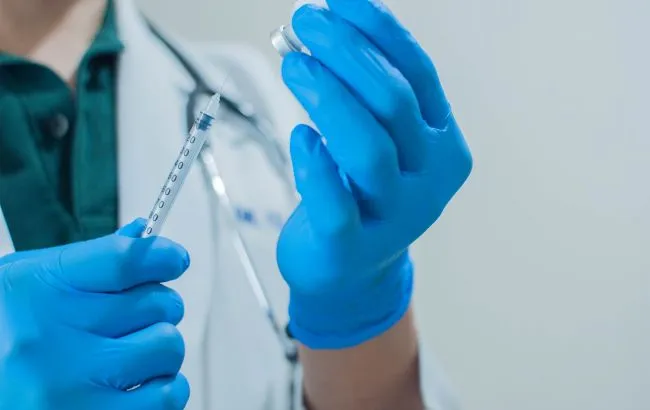
mRNA technology, which gained worldwide recognition during the COVID-19 pandemic, is showing promising results in the fight against cancer. New research shows that personalized vaccines can help the immune system recognize tumors and suppress the progression of the disease for many years.
Scientists are already calling this one of the biggest breakthroughs in oncology in recent decades. Dozens of large-scale clinical trials are currently underway around the world, and the first results from some of them may be available in the near future.
During the pandemic, it was mRNA technology that made it possible to develop COVID-19 vaccines in record time. Now, this same approach is being actively used to treat cancer. The main idea is simple: to teach the immune system to find and destroy tumor cells in the same way it fights viruses.
That is why the world’s leading pharmaceutical companies are currently investing enormous resources into developing this field. Among them are BioNTech, Moderna, Pfizer, and Merck.
What new studies have shown
This month, over 130 studies on cancer vaccines were presented at the American Society of Clinical Oncology conference in Chicago. Results regarding pancreatic cancer—one of the most dangerous types of cancer—drew particular attention. Just a few years ago, the chances for patients with this diagnosis were extremely low.
But now, researchers have obtained results that have led many to speak of a true breakthrough. Dr. Vinod Balachandran, a physician and researcher at the Memorial Sloan Kettering Cancer Center, reported that of the eight patients whose immune systems actively responded to the mRNA vaccine, seven are still alive six years after treatment. For pancreatic cancer, this is an exceptionally strong result.
How this vaccine works
Unlike conventional vaccines, these drugs are created individually for each patient. First, doctors take a tumor sample. Scientists then study its genetic characteristics and look for mutations specific to that particular case.
Based on this data, a personalized mRNA vaccine is created. Its purpose is to show the immune system exactly which cells to attack. In effect, the body receives detailed instructions on how to recognize the tumor and prevent it from returning.
Where the new technology is already being tested
Currently, mRNA vaccines are undergoing clinical trials for various types of cancer. Among them are:
- lung cancer;
- kidney cancer;
- bladder cancer;
- pancreatic cancer;
- melanoma.
There are particularly high hopes for melanoma. This is a form of skin cancer that responds well to immunotherapy. It is precisely for this disease that major pharmaceutical companies may soon receive results from large-scale confirmatory trials.
Not just pancreatic cancer
Scientists are also working on applying the technology to treat aggressive brain tumors. Such diseases remain among the most challenging in oncology. The five-year survival rate for patients with certain forms of brain cancer is less than 7%.
That is why any new tool for fighting such tumors generates great interest in the medical community. In some cases, mRNA drugs are administered intravenously to activate the immune system as quickly as possible.
Why is this making headlines around the world?
Experts note that the technology’s potential extends far beyond the fight against COVID-19. If current results are confirmed in large-scale international studies, medicine could gain a new class of personalized cancer drugs. Moreover, research is not limited to the U.S.
Trials are actively expanding in European and Asian countries. That is why many researchers call the current stage one of the most important moments in the development of modern oncology.
Despite the promising results, doctors urge caution against jumping to conclusions. Most of the drugs are still undergoing clinical trials. Ahead lie new phases of research, safety testing, and efficacy trials involving a large number of patients.
However, it is already clear: mRNA technology, which helped the world during the pandemic, could open a completely new chapter in the treatment of cancer. And what seemed like science fiction just a few years ago is gradually becoming a reality. This is reported by Reuters.
As a reminder, people who received the mRNA vaccine against COVID-19 had a significantly lower risk of death from both the disease itself and from any other causes.
French scientists from the Pasteur Institute warn that the H5 avian influenza virus could pose a more serious threat to humanity than COVID-19 if it mutates and begins to spread among humans.




