
Vale Proposes Changes to Environmental Licensing in Brazil and Is Seeking Rare Earths
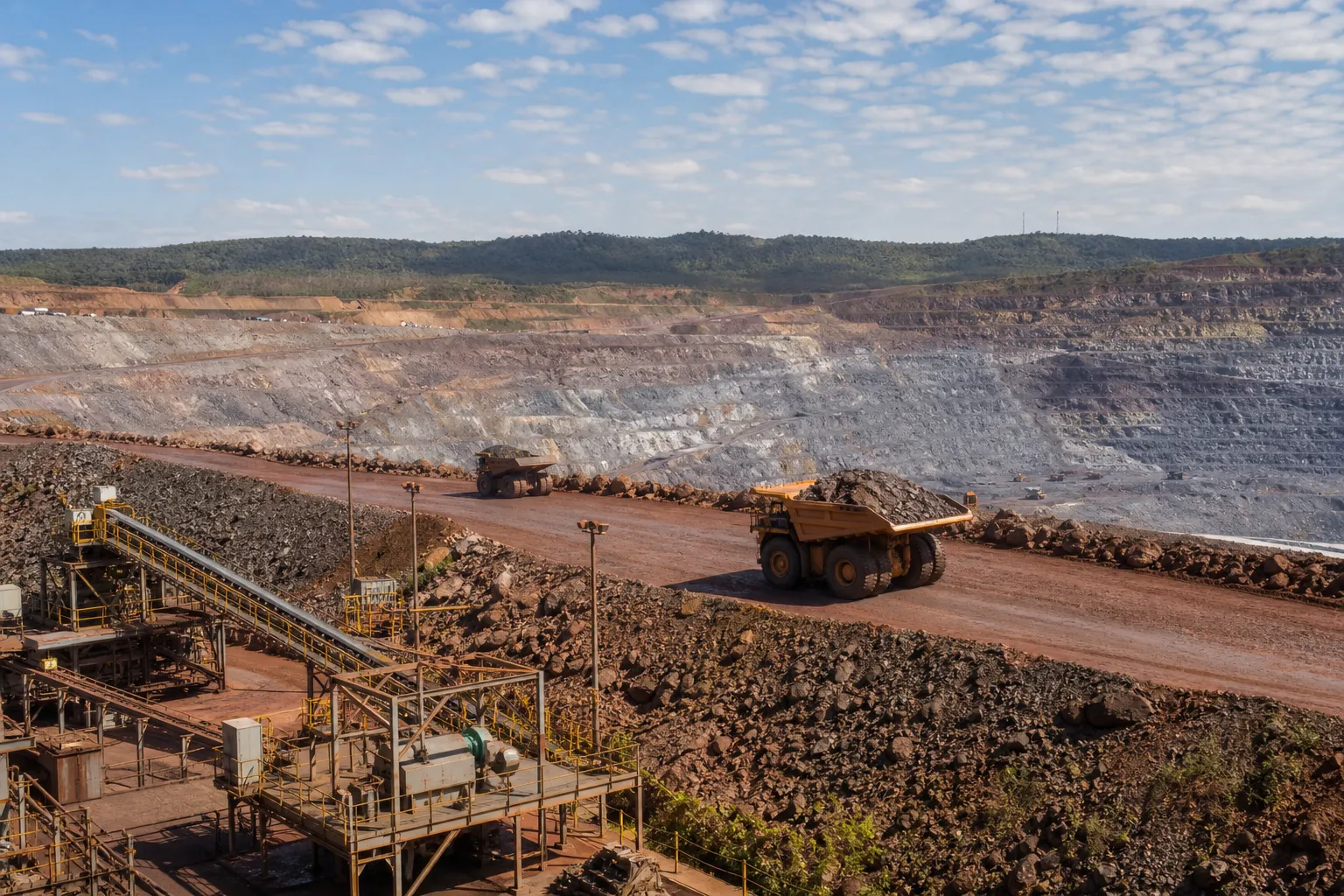
The Brazilian mining company Vale presented a package of 15 initiatives in Brasília aimed at changing industry regulations, with a focus on environmental licensing. According to the company’s estimates, the proposed changes could generate up to 1.3 trillion Brazilian reais in tax revenue from the sector between 2026 and 2035, reports The Rio Times.
This figure represents not annual revenue but the projected total over the decade. The proposals are outlined in the study “Unlocking the Potential of Mining in Brazil,” prepared by Vale in collaboration with the consulting firm Accenture. Vale CEO Gustavo Pimenta participated in the presentation of the document.
The company intends to share the study with candidates in Brazil’s 2026 presidential election. One of the central points of the initiatives is to speed up environmental licensing procedures, which, according to the publication, Brazil’s mining industry has long considered too slow.
For more breaking news, follow the UA.News Telegram channel.
Separately, Vale is seeking permits for geological exploration at five sites in northern Espírito Santo state, near the municipalities of Linhares and Jaguaré. The exploration is targeting rare earth minerals; the company mentions monazite and cerium. Monazite is a phosphate mineral that contains rare earth elements as well as radioactive thorium.
According to The Rio Times, interest in such deposits stems from the United States’ search for sources of rare earth materials alternative to those from China. China processes the vast majority of the world’s supply of these materials. At the same time, an exploration permit does not yet mean the start of mining: it is intended to help determine whether the sites contain resources worth developing.
Vale’s proposals to expedite licensing are being discussed in the wake of the 2015 Mariana dam collapse and the 2019 Brumadinho dam collapse. According to The Rio Times, Vale was responsible for these accidents, which together claimed hundreds of lives. The state of Espírito Santo also suffered contamination of the Rio Doce River following the Mariana accident.


