
United Kingdom to allocate more than £7.8 billion to space strategy by 2030
The UK government has unveiled a national space strategy for 2027–2035 and an interdepartmental spending plan worth more than £7.8 billion through 2030. The document focuses on defence, national security and economic growth, Breaking Defense reports.
Accelerated development is planned to focus on four sectors: satellite communications, space situational awareness, in-orbit servicing, assembly and manufacturing, as well as access to space, including launches from the territory of the United Kingdom.
Control of space
The strategy provides for the development of space situational awareness capabilities that can be separated from joint programmes with allies, independent intelligence, surveillance and reconnaissance (ISR) systems, as well as sovereign and resilient positioning, navigation and timing infrastructure.
The UK Ministry of Defence is to gain the ability to ensure freedom of action and manoeuvre in space, from space and through space, protect British and allied interests, and deny adversaries such opportunities. To achieve this, the defence department and the Department for Business, Innovation, Science and Trade are to create an integrated roadmap for the development of civil and defence technologies. It is planned to be published in subsequent updates to defence space policy.
More current news is available on the UA.News Telegram channel Telegram.
Investments in ISR and DARC
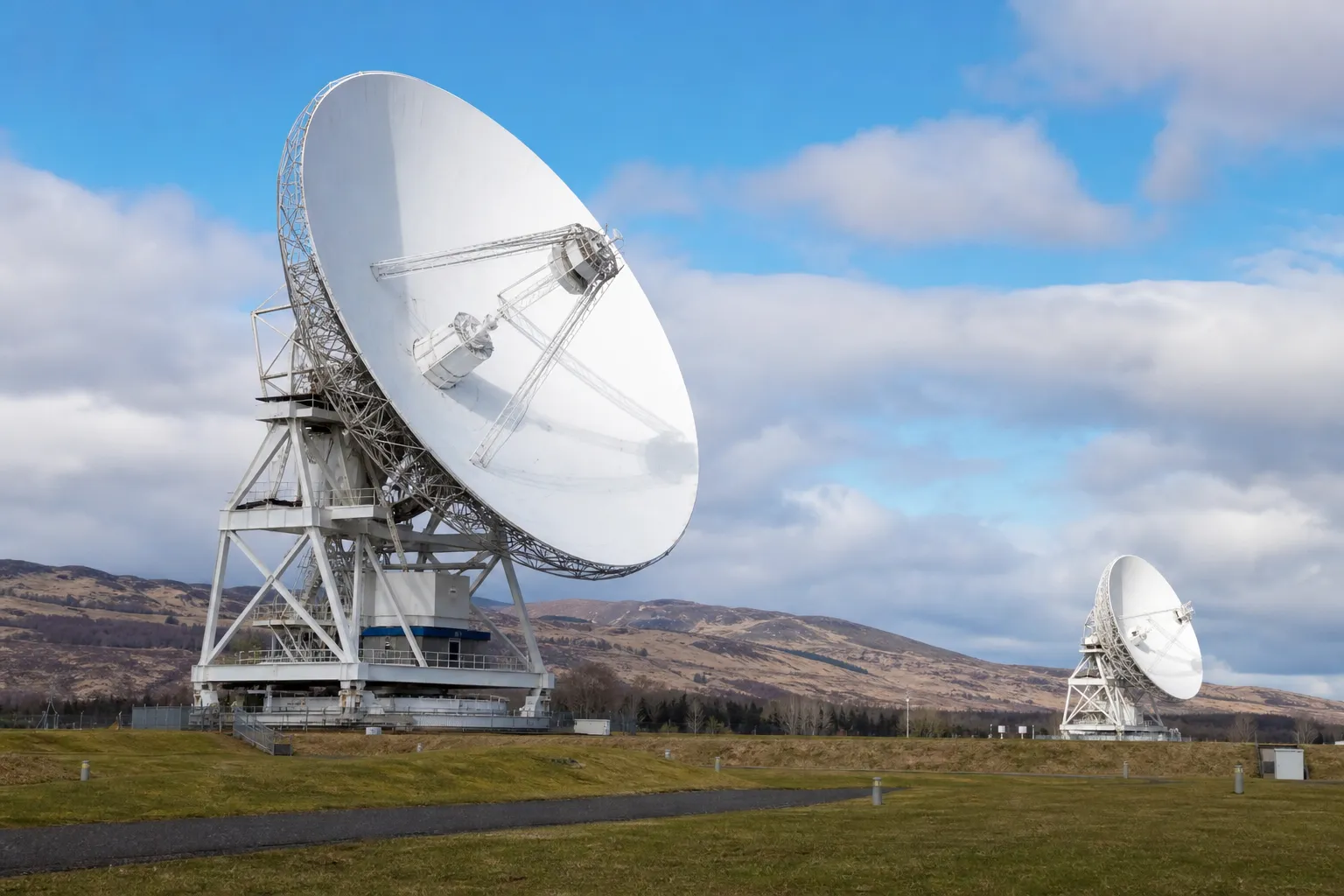
The largest separately specified defence investment will be £880 million in 2026/2027–2029/2030 for ISR and space control activities. The funds are planned to be directed toward sovereign space-based ISR systems and the Deep Space Advanced Radar Capability (DARC) project, which the United Kingdom is implementing jointly with the United States and Australia. Construction of DARC in the United Kingdom is expected to begin next year.
By 2035, the country plans to acquire a protected ISR system that will be owned and operated by the United Kingdom. Funding will also continue for the £968 million ISTARI programme, which provides for the creation of a multi-satellite ISR constellation and future ground systems by 2031.
Separately, the Ministry of Defence is to upgrade the Borealis command, control and data processing system for the National Space Operations Centre, including to improve task allocation among sensors. At least 10% of the annual budget of the defence procurement programme is planned to be spent on new technologies, including £420 million to accelerate the development of innovative space capabilities.


