
Videos of Chinese creators in hanfu in Seoul spark debate
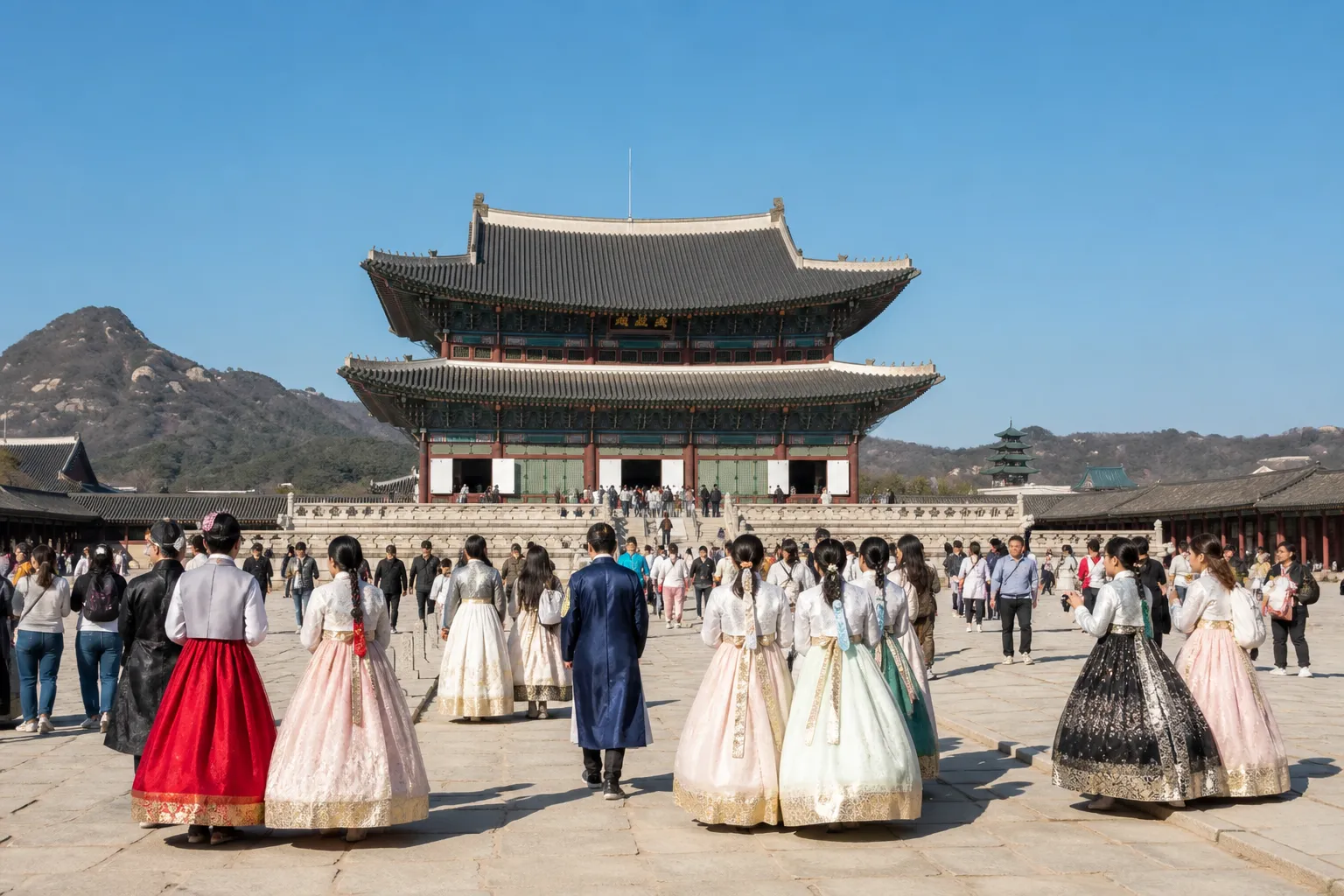
Videos of Chinese influencers wearing traditional hanfu near Seoul’s historic landmarks, including Gyeongbokgung Palace, have sparked debate among some South Korean social media users. This was reported by The Korea Herald.
Videos from the palace and Seoul streets
In one viral Instagram video, a Chinese model in bright orange hanfu walks around Gyeongbokgung, Gwanghwamun Square and the streets of Myeongdong. In the video, she also takes photos with foreign tourists dressed in hanbok, traditional Korean clothing.
Some users criticized the video, linking it to long-running disputes over China’s interpretation of Korean history and culture. One commenter compared the situation to a possible visit by Koreans wearing hanbok to the Forbidden City in Beijing.
Historical context of the debate
Discussions mentioned China’s “Northeast Project,” a historical research initiative launched in the early 2000s. In South Korea, it was criticized for incorporating certain aspects of the history of ancient Korean kingdoms into China’s history.
More current news is available on the UA.News Telegram channel Telegram.
According to online communities, other short videos of Chinese creators wearing hanfu at Gyeongbokgung have appeared on TikTok and other social media platforms in recent months. Hanbok and hanfu have roots in ancient East Asian traditions but developed separately: hanbok usually consists of separate upper and lower garments, while hanfu often has a one-piece silhouette.
User reactions
Claims that hanbok originated from hanfu circulated in Chinese online communities, which, according to the publication, heightened sensitivities in South Korea. In 2021, the Baidu Baike encyclopedia was criticized in the country after describing hanbok as the traditional clothing of ethnic Koreans in China and stating that it originated from hanfu.
Seo Kyoung-duk, a professor at Sungshin Women’s University, rejected such claims, citing, among other things, depictions of hanbok in tomb murals from the Goguryeo period. At the same time, other social media users considered the criticism excessive, noting that the model had not offended anyone and was merely wearing traditional clothing and taking photos.


