
Seoul appeals court acquits activist in police resistance case
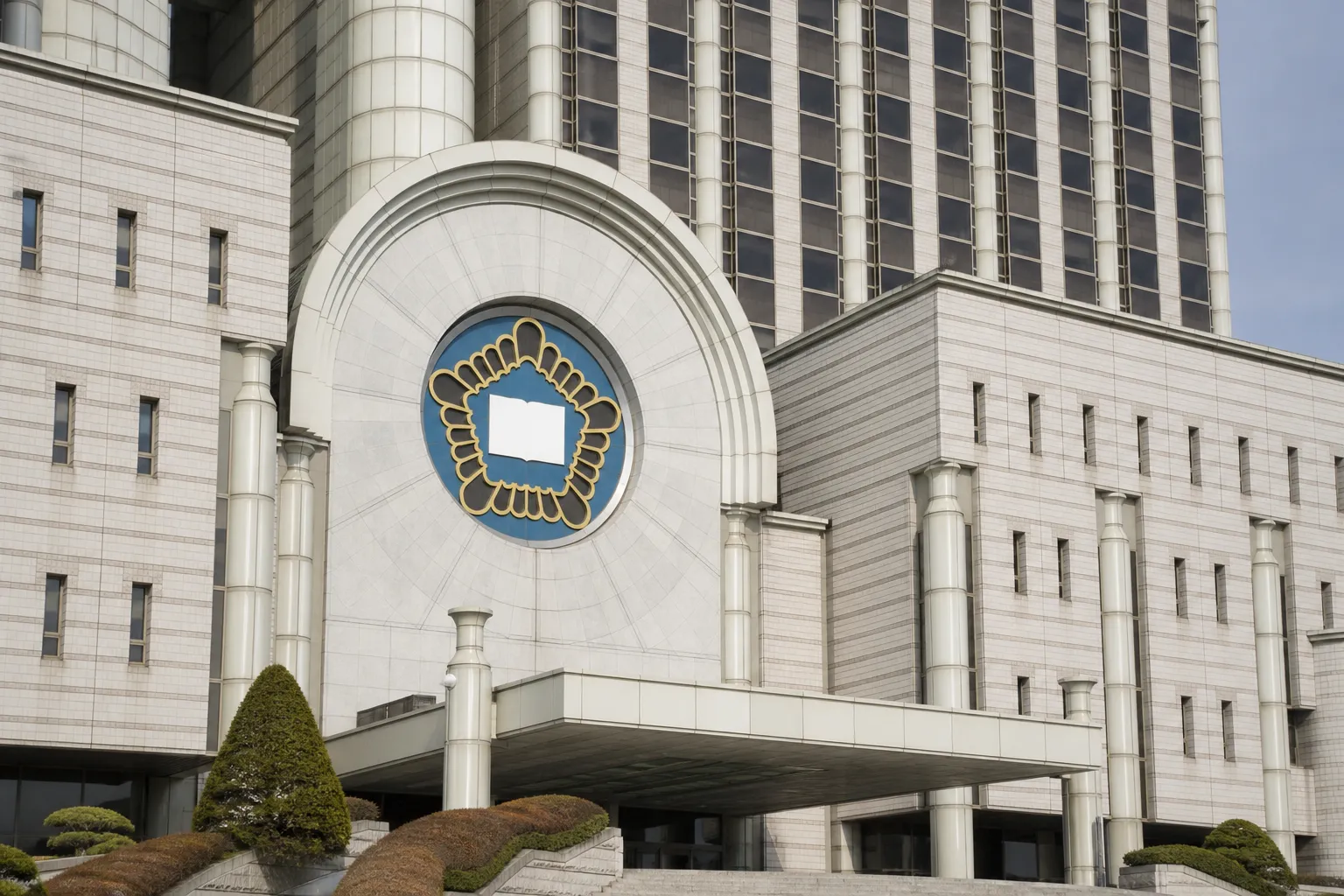
The appellate division of the Seoul Central District Court acquitted an activist from the disability rights movement who had been accused of injuring a police officer during a protest in November 2023. The court found that he acted in self-defense because the police order to disperse was issued in violation of procedure, Korea Herald reports.
Case circumstances
The court of first instance had previously found the social worker guilty and fined him 4 million won, or about $2,900. The defendant was assisting another activist with a severe disability during an annual demonstration organized by the Korean Confederation of Trade Unions to demand improved workers' rights.
During the rally, the activist in a wheelchair was moving along Taepyeong-ro Street in Jung-gu district in central Seoul when police ordered the demonstrators to disperse. He then left his wheelchair and lay down on the road in protest. When law enforcement officers tried to lift him from the roadway, the defendant helped him resist by making physical contact with police officers, who sustained injuries.
More current news is available on the UA.News Telegram channel Telegram.
Findings of the appeals court
The first-instance court considered the police actions lawful because members of the Solidarity Against Disability Discrimination movement occupied part of the road outside the area specified in the prior notification of the rally. However, the appeals court concluded that the legality of the dispersal order had not been properly established.
The court noted that police documents cited an “unreported demonstration” as the reason for the dispersal, although notification of the rally had been submitted in advance. In addition, police treated the movement's activists and participants from other groups within the broader rally as a single group without sufficient distinction.
Prosecutors argued that the separate demonstrations had effectively merged. However, the appellate division noted that even in that case, police issued only two orders to disperse before attempting to forcibly remove the protesters. The Assembly and Demonstration Act permits forced dispersal only after at least three such demands if participants fail to comply. The court also did not find that the rally participants posed an immediate threat to public order or to the lawful rights of others.




