
A well-known resort in India is losing popularity among foreign visitors
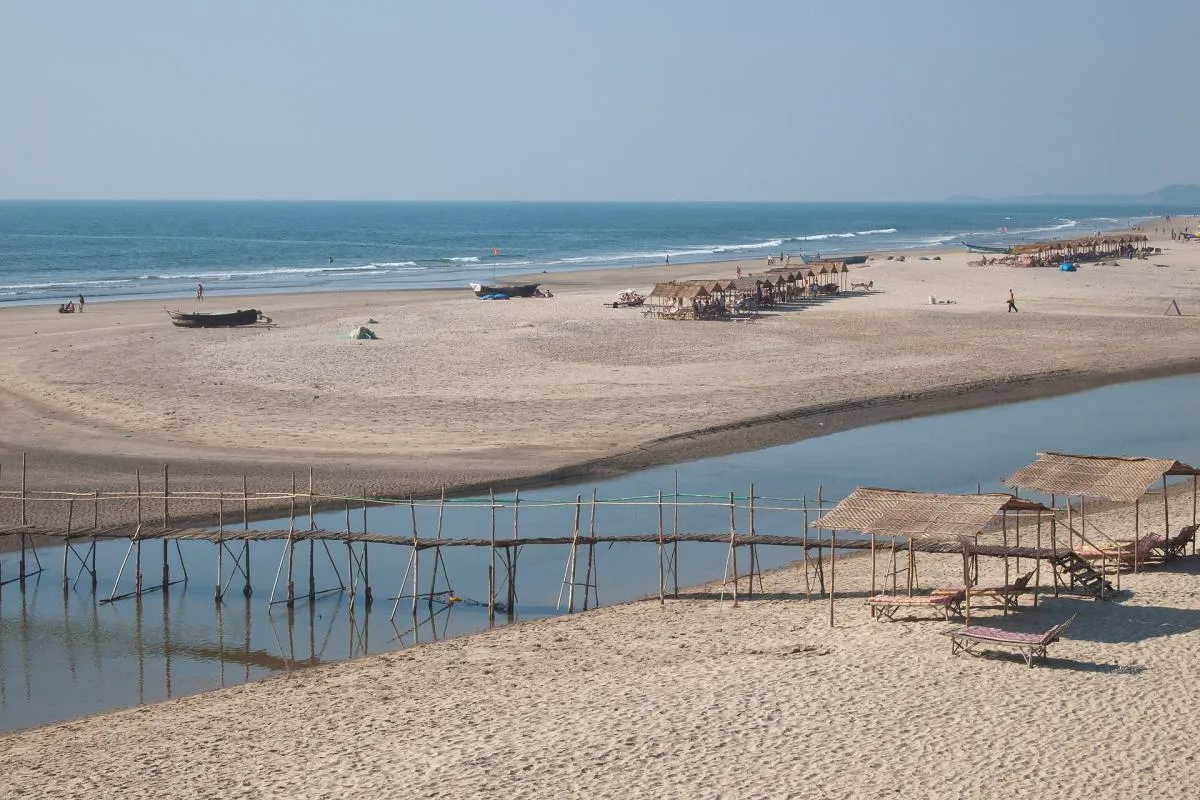
Goa, the once-popular Indian resort known as the “party capital,” is seeing a sharp decline in foreign tourists, who are opting for cheaper and more accessible destinations. Demand from domestic tourists is growing, but the influx of foreign visitors is shrinking significantly due to a number of economic and geopolitical factors. The Daily Express reports on this.
Once a legendary Indian resort, Goa—long considered one of Asia’s most vibrant tourist destinations and the “party capital”—is now rapidly losing its main audience: foreign travelers, who are increasingly opting for cheaper and simpler alternatives in other countries. The Daily Express reports this, noting that the region on India’s southwestern coast, which was once a cult destination for Europeans and hippies as far back as the 1960s and 1970s, is now shifting its tourism profile.
Goa still attracts visitors with its beaches, seafood, and laid-back atmosphere—from the popular Baga in the north to the picturesque Palolem in the south. But now the main influx consists not of foreigners, but of domestic tourists from India. Official statistics from the state’s tourism department show a clear trend: interest among local residents is growing rapidly, while the number of foreign visitors is dropping significantly.
While nearly 900,000 foreign tourists visited Goa in 2017, this figure dropped to approximately half a million in subsequent years. At the same time, domestic tourism in India, on the other hand, has grown—from 6.8 million in 2016 to over 10 million in 2025.
The reasons for this decline are complex. Among them are rising airfares, global economic fluctuations, the COVID-19 pandemic, and geopolitical instability, which has affected tourist mobility and spending worldwide.
Visa procedures, which have become more complicated and expensive, also play a significant role, as does the rising cost of living in Goa itself due to its popularity among domestic tourists. Experts also point to competition from other Asian destinations—particularly Thailand and Sri Lanka, where vacations are often cheaper and easier to organize.
Representatives of the local tourism industry acknowledge the problem and are already discussing the need to bring back foreign tourists through international promotional campaigns and promotional tours to Europe. However, for now, Goa is gradually changing its tourism image—from a global hippie resort, it is increasingly becoming a domestic vacation destination for Indians themselves.
Oil prices have surged due to Trump’s statements and the threat to shipping near Iran
Russian oil is on the rise again, and this is shifting the balance of the Russian Federation’s revenues


