
Vietnamese factories exported clothing to US after sanctions against Esquel — Jerusalem Post
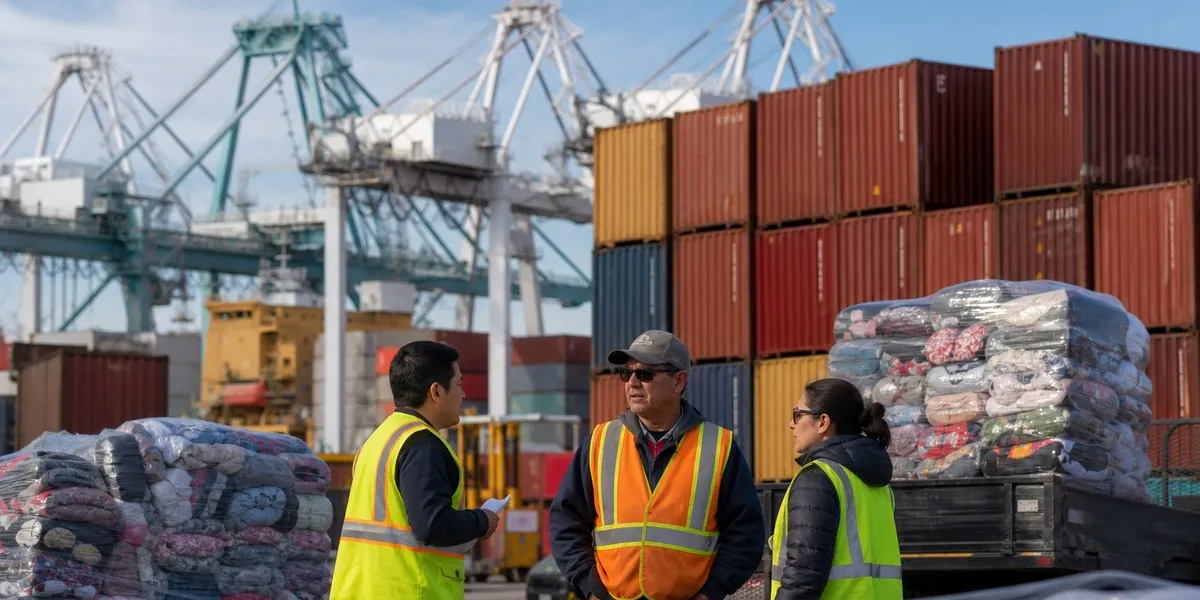
Three Vietnamese clothing manufacturers exported cotton goods worth at least $5 million to the United States after Chinese textile group Esquel Group was added to a US sanctions list. According to the Jerusalem Post, citing Reuters, these companies continued to purchase a significant share of their cotton from Esquel, which Washington imposed restrictions on in November 2024 over alleged links to forced-labor programs in Xinjiang.
They are An Loi Apparel, Tessellation Binh Duong and Tessellation Hoa Binh. Before being renamed in October 2022, all three companies used variations of the name Esquel Garment Manufacturing Vietnam. Corporate documents list former Esquel CEO Edgar Tung as the owner’s representative of these manufacturers, while the same three offshore companies were their owners before and after the name changes.
Shipments and ties to Esquel
According to customs data, between November 2024 and June 2026, Esquel supplied the three manufacturers with about 70% of the cotton it exported from China, with a total value of $34 million. Former US assistant trade representative Joshua Kagan told Reuters that the established links were likely sufficient for customs authorities to conclude that the enterprises operate within Esquel’s ecosystem.
Reuters was unable to establish whether the goods supplied to the United States contained cotton produced by Esquel or in Xinjiang. The manufacturers also purchase raw materials from other suppliers, although Esquel has been their largest supplier for many years. Supply-chain experts and trade lawyers noted that blending cotton from different sources is common in the industry.
More current news is available on the UA.News Telegram channel Telegram.
Brand responses and customs control
Clothing from the Vietnamese factories was supplied, among others, to Japanese retailer Muji and New Zealand menswear brand Rodd & Gunn. Muji said it was unaware of the manufacturer’s ties to Esquel and plans to audit one of the factories this year. Rodd & Gunn confirmed purchases from two companies and said it requires partners to use raw materials only from the United States, Brazil and Australia.
Esquel denies allegations of links to forced labor. Representatives of Esquel, the three Vietnamese manufacturers and Edgar Tung did not respond to inquiries about their relationships and exports to the United States. US Customs and Border Protection did not comment on Reuters’ findings, but said it encourages companies to stop using suppliers that employ forced labor or require them to change their practices.
Between November 2024 and June 2026, goods worth about $2.6 million out of $28 billion in clothing shipped from Vietnam to the United States were detained for inspection under the Uyghur Forced Labor Prevention Act. More than half of the detained goods by value were subsequently released.




