
Iranian authorities step up pressure on cafes in Tehran
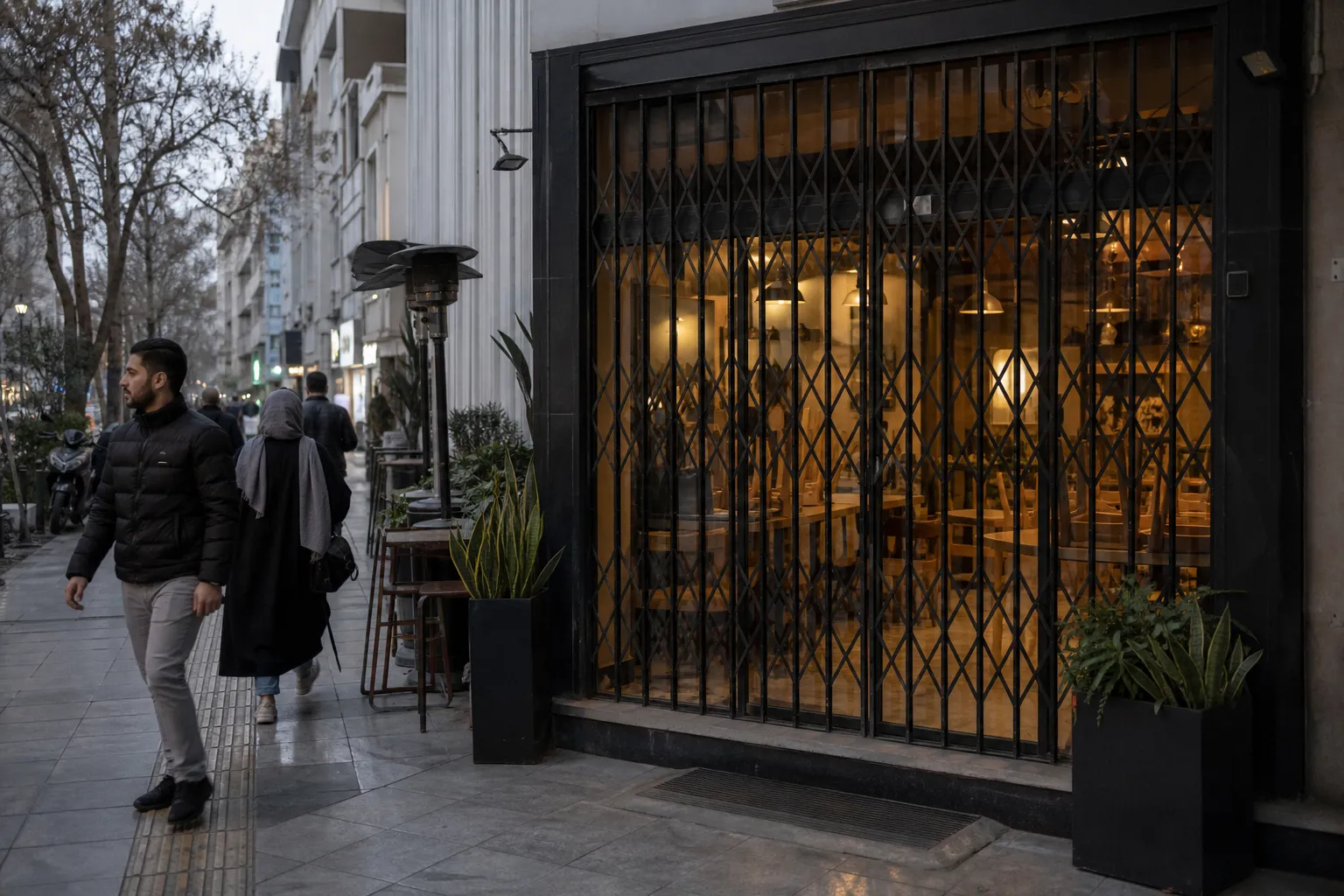
Iranian authorities have stepped up pressure on cafes in Tehran in recent months, suspecting such establishments of fostering anti-government sentiment and protests. According to the human rights organization HRANA, on July 19 alone, at least seven cafes and restaurants were closed allegedly for failing to comply with mandatory hijab rules, Deutsche Welle English reports.
In particular, the Vanak Park cafe in Tehran was sealed, resulting in at least 200 people losing their jobs. The Javan newspaper, affiliated with the Islamic Revolutionary Guard Corps, had previously described cafes as gathering places for protesters that, in its view, pose a threat to national security.
Sentences and network closures
Authorities believe that, due to their popularity and large numbers, cafes may play a role in organizing mass protests. According to DW, the government's concerns are linked to the latest wave of protests, which began on December 28, 2025, and became the country's largest uprising since the 1979 Islamic Revolution.
The Saediniya chain, which has 10 branches in Iran, closed its establishments in support of calls for strikes. Its owner, Sadegh Saediniya, was subsequently charged with “propaganda against the state.” Iran's Supreme Court upheld his sentence of 12 years and six months in prison with confiscation of property. After Saediniya's arrest, all branches of the chain were confiscated and closed by court order.
More current news is available on the UA.News Telegram channel Telegram.
The Lamiz and Voria cafes faced similar measures, with the latter belonging to a well-known Iranian footballer. The establishments were sealed by court decisions over indirect support for protest calls. According to DW, cafes were also closed before the latest wave of protests, often under the pretext of monitoring compliance with hijab requirements.
Cafes as a social space
According to various estimates, the number of cafes in Tehran has grown over the past decade from about 300 in the early 2010s to 4,000. Clinical psychologist and psychoanalyst Saba Alaleh said the spread of cafes may be a social response to living amid chronic crisis: people seek a space outside home and work where they can socialize and briefly distance themselves from daily pressure.
This trend is especially popular among Generation Z, which is suffering from rapidly rising inflation and a high cost of living. A Tehran cafe owner named Nasser told DW that establishments are allegedly closed for serving female visitors without hijabs, but called this merely a pretext. In Alaleh's view, control over cafes is part of the authorities' desire to control social contacts, information exchange, and independent networks of citizens.


