
Russian authorities claim to have defeated poverty, but Russians disagree
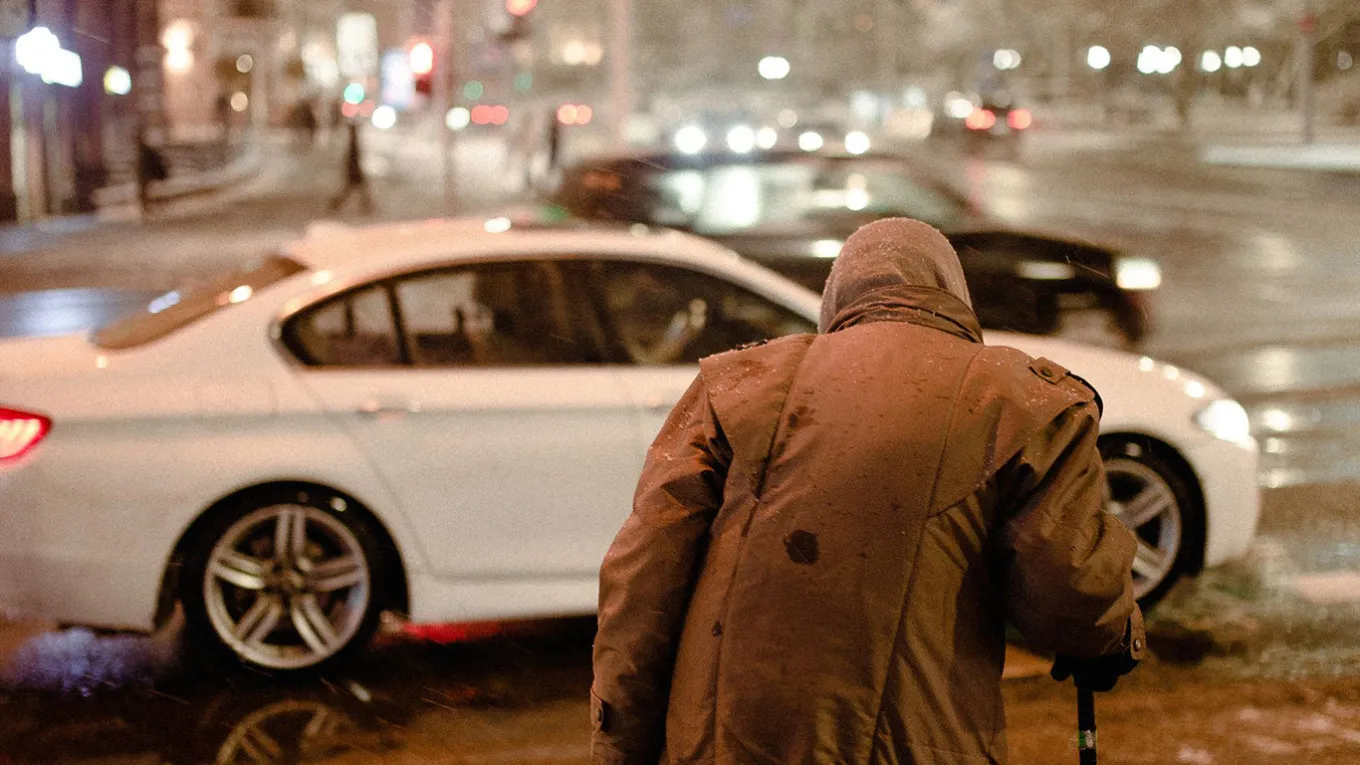
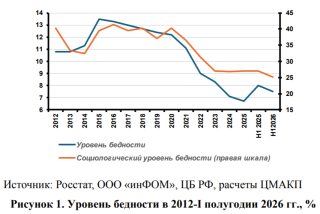
Russians have not felt the progress claimed by the authorities in achieving the “national goal” of reducing poverty. Vladimir Putin has set a goal of reducing the poverty rate to less than 7% by 2030, and Rosstat reported that the rate stood at 6.7% at the end of last year. At the same time, citizens, as noted, have not felt this improvement in their daily lives.
The Center for Macroeconomic Analysis and Forecasting (CMAC), a think tank close to the Kremlin, highlights the growing gap between the official and “sociological” poverty rates. In official statistics, people whose cash income is below the established poverty line are classified as poor.
At the same time, the “sociological” indicator is determined based on citizens’ own responses regarding their financial situation. This category includes those who state that they do not have enough money even for food, or that they have enough for food but not enough to buy clothing and shoes.
This is reported by Russian propaganda media.
Russia has concealed data on the number of citizens living below the poverty line.
In Russia, there is a trend toward a reduction in the number of employees across various sectors, including IT, healthcare, logistics, manufacturing, retail, consulting, and other business services.
The Russian Ministry of Finance forecasts a sharp increase in regional budget deficits to $21 billion.




