
US Navy creates center to integrate unmanned systems — South China Morning Post
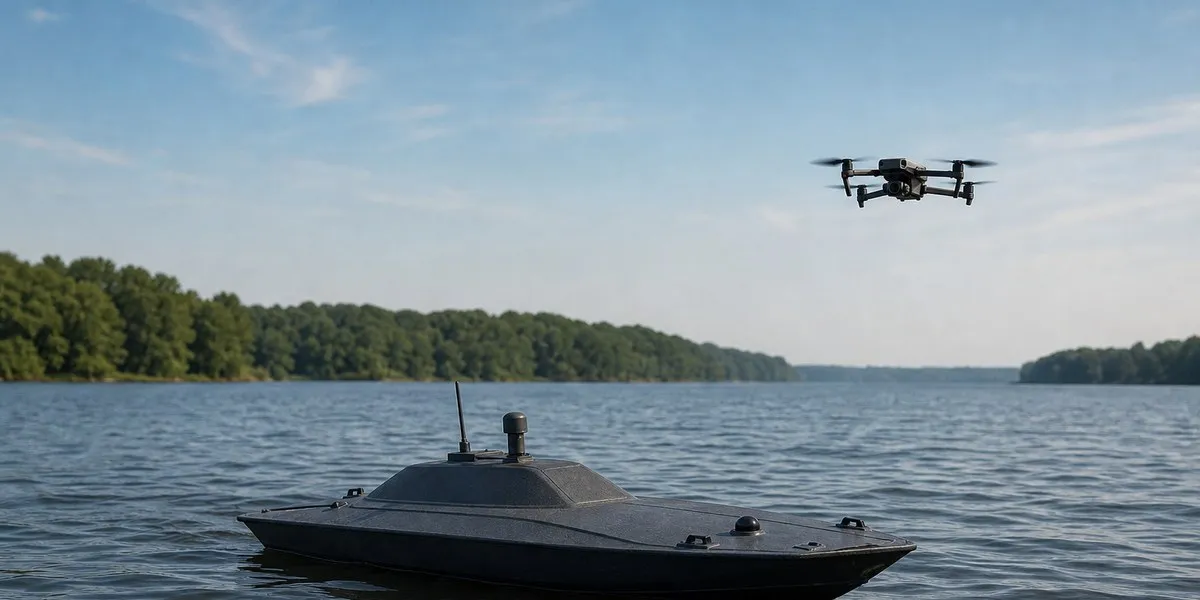
The US Navy has established the Center for the Development of Combat Employment of Robotic and Autonomous Systems in Virginia. It is intended to unite aerial, surface and underwater unmanned systems into integrated forces. The center was officially established on September 24, the South China Morning Post reports.
Doctrine and training
The new structure will develop doctrine and tactics for the use of unmanned systems, train sailors to work with them, and test their ability to operate in realistic conditions. US Chief of Naval Operations Admiral Daryl Caudle said the fleet had spent years developing and testing robotic systems, but this work had been conducted separately across different warfare domains.
According to Caudle, the next stage should be the integration of the systems, as testing the functionality of an individual prototype is insufficient to create combat capabilities. In June, the US Government Accountability Office noted that the fleet's robotic and autonomous systems remain divided by platforms and operational environments, while unclear responsibility allocation and inconsistent leadership are slowing program development. The agency recommended organizing these systems as a single portfolio across different warfare domains.
More current news is available on the UA.News Telegram channel Telegram.
Possible use near Taiwan
The center's first commander, Rear Admiral Melvin Smith, said the structure would unite the US Navy's work with unmanned systems and develop combined tactics. The Navy has not yet announced when the center will reach full operational capability.
US naval commanders have named a crisis around Taiwan as one possible scenario for using integrated unmanned forces. The “hellscape” concept envisages coordinating a large number of unmanned systems to disrupt or slow a landing operation by China's People's Liberation Army across the Taiwan Strait. This approach is part of broader US efforts, including the Replicator initiative launched by the Pentagon in 2023 to deploy thousands of relatively inexpensive autonomous systems across different environments.
The center will also test systems in conditions where an adversary jams or disrupts communications. At the same time, Chinese military planners, according to the publication, are also focusing on integrating unmanned assets with other forces amid strong electromagnetic interference.




