
Israel’s water sector declared fully stable
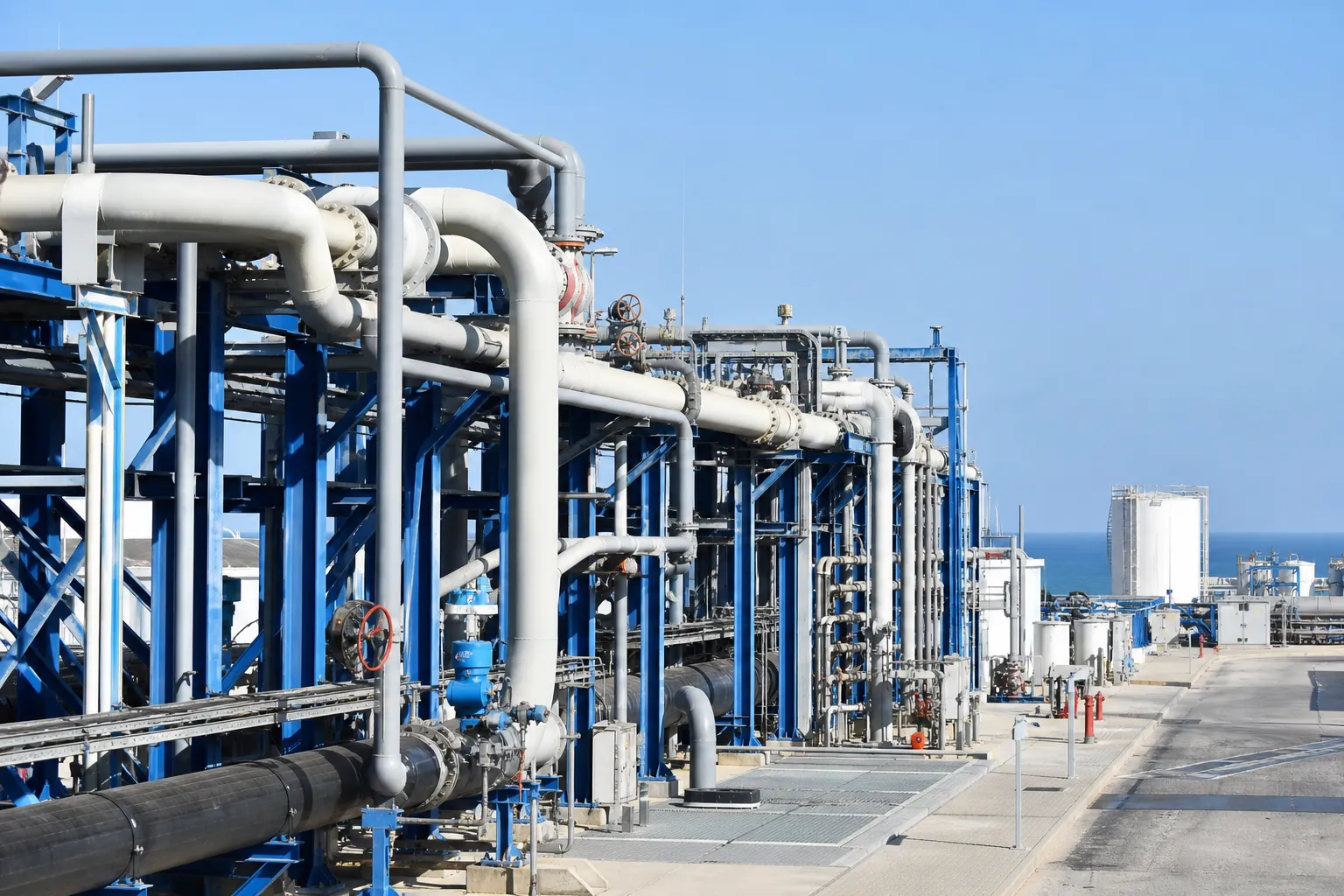
In Israel, the water sector was declared “fully stable” following an assessment conducted by the Ministry of Energy and Infrastructure jointly with the Water Authority. According to the agencies, water supply to the population and the agricultural sector continues as usual and without restrictions.
Reservoirs to be replenished over the weekend
As The Jerusalem Post reports, the system was stabilized within 24 hours, from Thursday to Friday. National reservoirs are planned to be replenished over the weekend, when water consumption declines. According to the ministry and the Water Authority, this should ensure the maximum reserve supply for the following week.
The agencies attributed the system’s stable operation to flexible management of desalination plants, increased water supply from the Sea of Galilee, and the use of hundreds of wells across the country.
More current news is available on the UA.News Telegram channel Telegram.
Some desalination plants are not operating
The statement was made after desalination plants were shut down due to high seawater turbidity. As of Friday, plants in Ashkelon and Ashdod remained non-operational. The Palmachim and Sorek B facilities were operating partially, while Sorek A is expected to increase production soon, depending on sea conditions. The plant in Hadera is operating as usual.
Following the shutdowns, restrictions on water use were introduced in several areas of the country. Initially, five of Israel’s six desalination facilities completely ceased operations. In Givatayim, local authorities warned residents of possible water supply disruptions due to problems in the national water network and urged them to use water only for essential needs.
Water declared safe
The ministry and the Water Authority also stated that drinking water is completely safe following seawater treatment measures coordinated by the Ministry of Health and the Ministry of Environmental Protection. According to their data, the substances used pose no risk to swimmers. At the same time, a fishing ban remains in force in the treatment areas, although fish from these areas are considered safe for consumption.


