
WHO sees encouraging signs of improvement in Ebola situation in the DRC
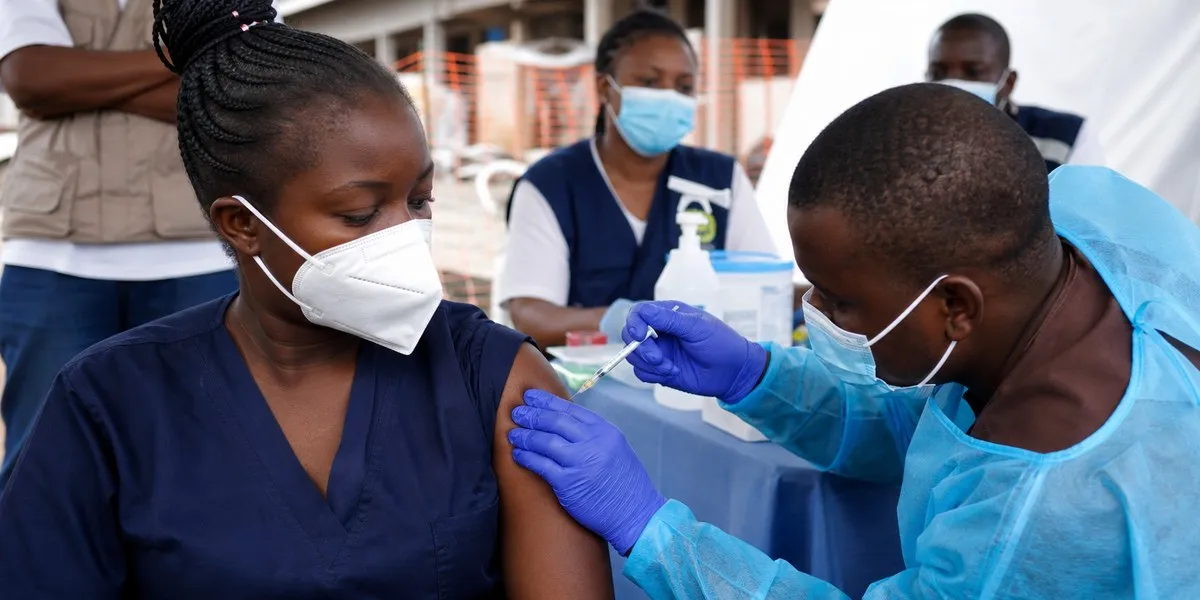
In the Democratic Republic of the Congo, the Ebola epidemic continues to spread, but the World Health Organization sees encouraging signs of improvement in the situation. WHO Director-General Tedros Adhanom Ghebreyesus said this at a press conference in Geneva, Asharq Al-Awsat reports.
According to him, virus transmission is declining in the hardest-hit areas of Ituri province, which is the epicenter of the outbreak. No new cases have been recorded in South Kivu province since May. At the same time, Tedros Adhanom Ghebreyesus stressed that the epidemic is still growing and claiming lives.
Thousands of cases and deaths
Since the DRC declared its 17th Ebola outbreak in mid-May, more than 7,200 cases and over 3,500 deaths have been recorded in seven northern and eastern provinces of the country. Efforts to fight the infection are complicated by an unstable security situation, the activities of numerous armed groups, the remoteness of the territories, high population mobility, and attacks on humanitarian workers.
More current news is available on the UA.News Telegram channel Telegram.
In North Kivu province, the number of cases is rising rapidly, according to the WHO: the weekly figure has nearly doubled, from about 100 to more than 200. WHO Director for Epidemic and Pandemic Management Maria Van Kerkhove said there are still “many, many months” of work ahead.
Vaccine and treatment trials
Tedros Adhanom Ghebreyesus reported an acceleration of trials of treatments and post-exposure prophylaxis thanks to more active engagement with communities. Vaccine trials are expected to begin in the coming weeks.
The current outbreak is caused by the Bundibugyo strain, for which there is currently no approved vaccine or treatment. About 70,000 doses of the Ervebo vaccine, approved against the Zaire strain of Ebola, were delivered to the DRC to assess its effect on containing the spread of the Bundibugyo strain. More than 3,000 healthcare workers and frontline personnel have already been vaccinated in Kisangani. Médecins Sans Frontières is to begin an observational study of the vaccine's effectiveness, while clinical trials of two vaccines being developed against the Bundibugyo strain are also planned.


