
Worsh pledged the Fed's independence and rejected Trump's pressure
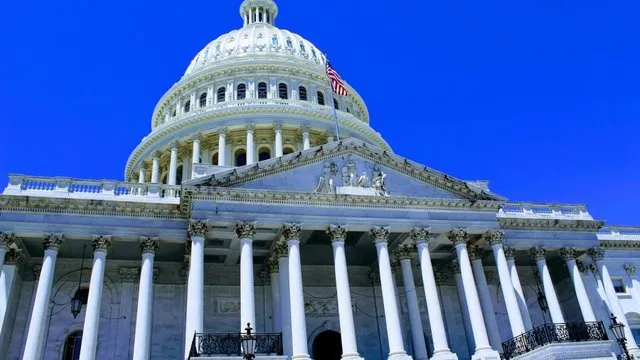
Kevin Warsh, whom Donald Trump nominated to serve as chair of the U.S. Federal Reserve, has publicly stated that he will not be a political tool and will operate independently, even in the face of the White House’s expectations for a rapid rate cut. During Senate hearings, he explicitly denied any dependence on the president, emphasizing the priority of the central bank’s independence.
During his testimony before the Senate Banking Committee, Kevin Warsh sought to clearly distinguish his potential work from the political expectations surrounding his nomination and emphasized that Federal Reserve decisions cannot be dictated by the White House. “I am honored that the president has nominated me for this position, and I will act independently if confirmed as Fed chair,” he said, responding to senators’ questions.
Separately, he reacted sharply to a direct question about whether he would act as the president’s “puppet”: “Absolutely not,” Warsh said, stressing that no agreements regarding interest rate policy exist with Trump and cannot exist.
According to him, any attempts at political influence on monetary policy are unacceptable, and the Fed’s independence itself must be based not on declarations but on the practice of making decisions without external pressure. “I believe that the independence of monetary policy is earned, and better decisions are made by avoiding distractions,” he noted.
At the same time, the debate surrounding his nomination is unfolding against the backdrop of public pressure from Donald Trump on the current Fed leadership, whom the president has repeatedly called on to quickly and significantly lower the benchmark rate. Trump himself has already stated that he expects the new chair to pursue a more aggressive easing of monetary policy.
Warsh, however, avoids making direct promises regarding the pace of rate changes; in particular, he did not support the idea of a sharp reduction to 1% in the short term, emphasizing that he does not practice a policy of “pre-signaling” the market. The next Federal Reserve meeting is scheduled for April 28–29, and the market currently expects the rate to remain unchanged in the 3.5–3.75% range.
Additionally, U.S. Vice President J.D. Vance arrived at the White House to attend a meeting, while his planned visit to Pakistan for talks with the Iranian side remains in question.


